Key Takeaways
Properly securing your drainage system is the most effective way to prevent long-term water damage at your foundation or fascia board, and upgrading to the right fasteners makes all the difference.
- Gutter screws provide a significantly stronger hold than standard spikes.
- Select material based on your local climate to prevent premature corrosion.
- Always incorporate weather-sealing gaskets to lock out moisture and prevent leaks.
- Proper installation pitch is essential for efficient water drainage from your roofline.
- When in doubt, consult with a professional to handle structural repairs or high-altitude work.
Understanding the different types of gutter screws
Selecting the right fasteners for your drainage system involves more than just picking a box off the shelf. These components must withstand consistent environmental exposure throughout the year while keeping your gutters securely attached against, at times, significant force from high winds, debris weight, and water volume. Experienced contractors often prefer high-performance options that minimize the need for future adjustments. If you are struggling with a persistent drainage issue, the team at On Scene Gutters can help you identify the best hardware for your specific home.
Gutter spikes vs. gutter screws
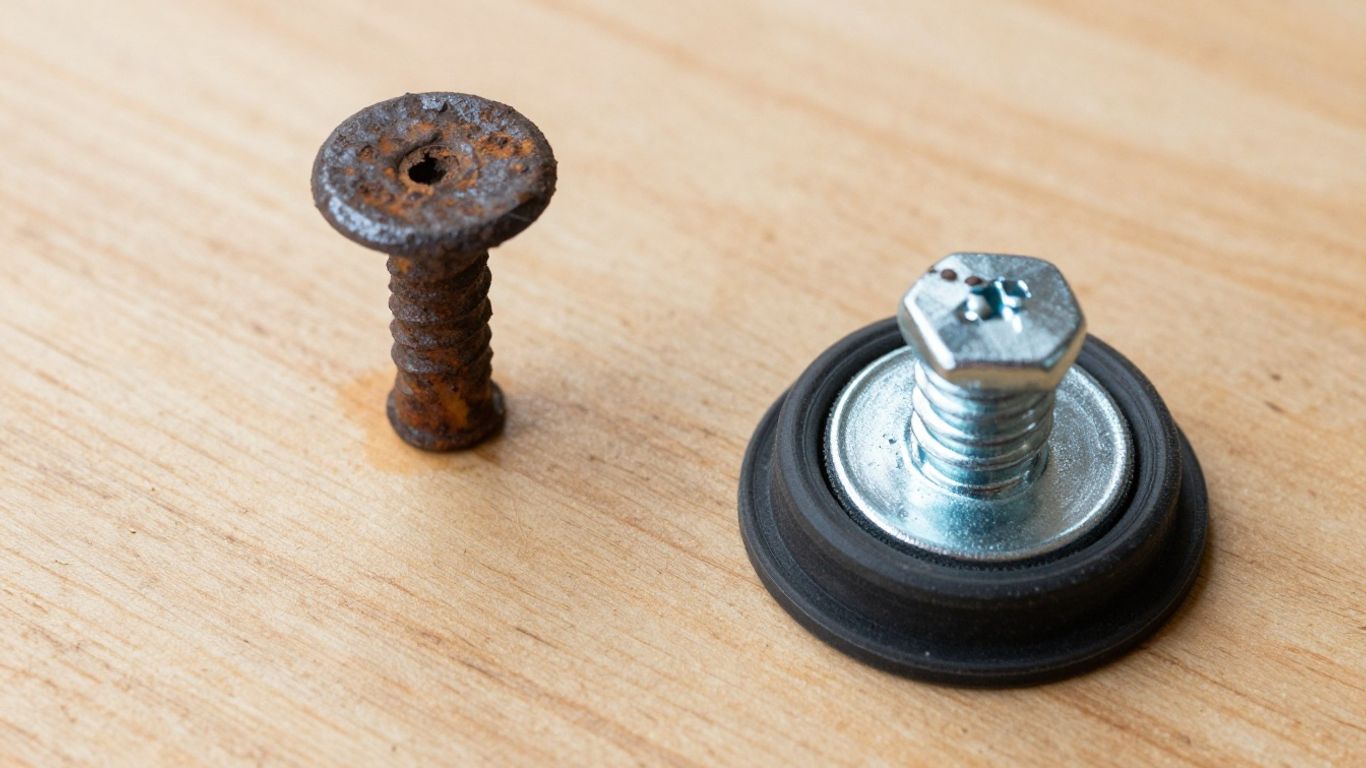
Standard spikes operate much like a giant nail driven through the gutter and into the fascia board, which often leads to loosening over time as wood expands and contracts. Because they lack threads, they have effectively no gripping power once the wood softens. Gutter screws, however, use integrated threads to bite into the fascia, ensuring a stable connection that lasts for years. This secure grip is why professionals often suggest replacing old spikes during routine maintenance.
Material considerations for stainless steel and galvanized options
Choosing the material for your fasteners depends largely on your climate and the type of metal used in your gutters. Galvanized steel is a popular, cost-effective choice for many regions, though stainless steel is generally better for coastal areas where salt can accelerate rust. You can explore a variety of fasteners which are designed for durability and performance when planning your renovation, ensuring your materials won't degrade under harsh conditions.
The role of rubber gaskets and weather sealing
Every fastener creates a point of entry that could become a potential leak if not properly sealed. Rubber gaskets or neoprene washers sit between the screw head and the gutter wall, creating a watertight seal as you tighten the hardware. This simple step prevents water from seeping behind the gutter and into the fascia, which is a main cause of decay. It is vital to use high-quality exterior-grade silicone sealant in conjunction with these washers for the most comprehensive protection.
Matching screw head finishes to your gutter profile
While functionality is the priority, aesthetics matter for curb appeal. Many manufacturers now offer color-matched screw heads designed to blend seamlessly with popular gutter finishes or aluminum trim. These color-match options are a small detail that helps your seamless gutters maintain a clean, professional look without visible hardware cluttering the facade.
Why you should choose screws over spikes
Choosing the right transition from spikes to screws can feel like a major project, but the long-term benefits are substantial. Unlike spikes, which can wiggle loose and leave your home vulnerable, screws provide a consistent and reliable grip. If you are comparing your options, you might look at how App Idea Report validation processes help founders ensure their projects succeed, much like proper hardware selection ensures your drainage succeeds. Investing in high-quality hardware is a fundamental step in property protection that saves time and money over the life of your home.
Superior holding power in high-wind conditions
Screws are mechanically superior because their threads grip the fascia wood deep inside the board rather than relying on friction alone. In severe weather, this keeps your drainage sections firmly planted while spike-supported systems are more likely to sag or tear away from the wall. This added security is essential for homes located in open areas prone to strong gusts.
Preventing long-term damage to the fascia board
Every time a spike is driven into the fascia, it can damage the wood fibers, and as the spike wiggles out, the hole expands significantly. Over years of seasonal movement, these holes become craters that no longer provide support, often leading to rot. Screws minimize this damage by creating a cleaner entry point and maintaining a steady, unchanging tight fit throughout the year.
Simplicity of removal for future cleaning and maintenance
When you eventually need to replace a section of your gutter or perform a deep seasonal cleaning, removable hardware is a huge advantage. Because they use a standard drive pattern, these screws can be backed out easily without damaging surrounding trim or gutter material. This ease of service makes life much simpler for you or any professional helping you with emergency gutter repair.
Aesthetic benefits of low-profile hardware
Homeowners appreciate the clean lines of screws, which sit flush against the gutter profile compared to the bulky heads of older spikes. By opting for low-profile fasteners, you reduce the opportunity for debris like pine needles or leaves to snag on the hardware, improving overall flow efficiency. A smooth, snag-free gutter interior keeps water moving quickly toward your downspouts.
How to replace old spikes with gutter screws
Upgrading your system is a great way to handle the challenges often seen with older construction. Transitioning to screws is a reliable pathway for anyone using a contractor payment platform to manage a home renovation project. Before you start pulling things apart, it helps to organize your tools and ensure you have enough materials to finish the job without unnecessary trips to the store for parts.
Safely removing existing spikes without bending the gutter
Removing old spikes requires patience and the right leverage. A specialized nail puller or a stout flat-head screwdriver can help you gently extract them without deforming the aluminum gutter wall. If a spike is rusted stuck, it may be easier to cut the head off with a hacksaw rather than brute-forcing it through the metal.
Determining the correct screw gauge and length
Choosing the length of your screw is critical for a secure fit into the internal structural joists behind your fascia. If the screw is too short, it will only penetrate the decorative fascia and not the solid framing, failing the support test. The following table provides a general reference for selecting hardware based on your home structure:
| Fastener Type | Best Usage | Thread Style |
|---|---|---|
| #10 1.5-inch | Standard Fascia | Fine Grip |
| #12 2-inch | Heavy Duty Support | High-Low |
| #12 1.5-inch | Aluminum Extrusion | Self-Drilling |
Selecting the right diameter ensures your drainage system stays level.
Preparing the mounting hole for a secure fit
If the existing spike holes are too large or have become slightly rotted, you will need to prepare them before setting the new screws. Many pros recommend using a wood filler or a small dowel to patch oversized holes, especially if you are dealing with older, softer wood. This preparation ensures that the screw threads have something solid to bite into, preventing the fastener from simply spinning in the hole.
Proper tightening techniques to avoid material deformation
- Insert the screw into the hole with the pre-assembled gasket.
- Apply steady, medium-speed pressure using your drill.
- Stop the moment the washer makes contact with the gutter.
- Avoid over-driving, which ruins the gasket seal.
Follow these steps, and your gutters will stay secure for the long term.
Common installation mistakes to avoid
Avoiding common pitfalls during installation is vital if you want to ensure longevity. Even a great product will fail if installed incorrectly, and many homeowners unknowingly create issues that lead to leaks or drainage problems. As with following Bundled's Community Guidelines to keep an online forum safe, adhering to manufacturer instructions keeps your home safe from water-related damage. Avoiding these errors helps you maintain a functional, leak-free property.
Over-tightening and warping the gutter wall
Many users make the mistake of driving screws until they are buried deep into the gutter, which causes the metal to dimple or warp. This distortion is not just an eyesore; it creates an uneven lip that interrupts natural water flow and can cause pooling or clogging. You only need to tighten until the gasket is snug.
Ignoring the required pitch for proper drainage
Proper slope is necessary to force water toward your downspouts, usually requiring a slight downward angle. If the gutter is installed level, water may sit in the middle of the run and eventually overflow, spilling over onto pathways or near the foundation. Regularly check your slope with a professional-grade level throughout the entire length of your gutters.
Failing to seal exposed holes to prevent leaks
When you pull out an old spike, you are left with an open hole that water will inevitably find during a rainstorm. Always seal these gaps with exterior-rated silicone, even if you are placing a screw nearby. Following this simple PC gaming rig building guide principle of "measure twice, build once" applies perfectly to gutter sealing.
Improper calculation of hanger spacing intervals
If the distance between your screws is too great, even the best fasteners won't stop the gutters from sagging under the weight of wet leaves or ice. Most recommendations suggest hanger-to-hanger intervals of about 24 to 32 inches, depending on the severity of the local climate. If you live in an area with heavy snow, you may want to increase the density of your fastening pattern.
Tools required for a professional-grade installation
Having the right gear makes every repair step feel efficient and manageable. You don't need a warehouse of equipment, but investing in quality bits and safety gear changes the experience from frustrating to productive. If you are doing this as an article sur la santé capillaire, you would want the right shampoos, but for home repairs, focus on these essential items.
Essential power tools and driver bits
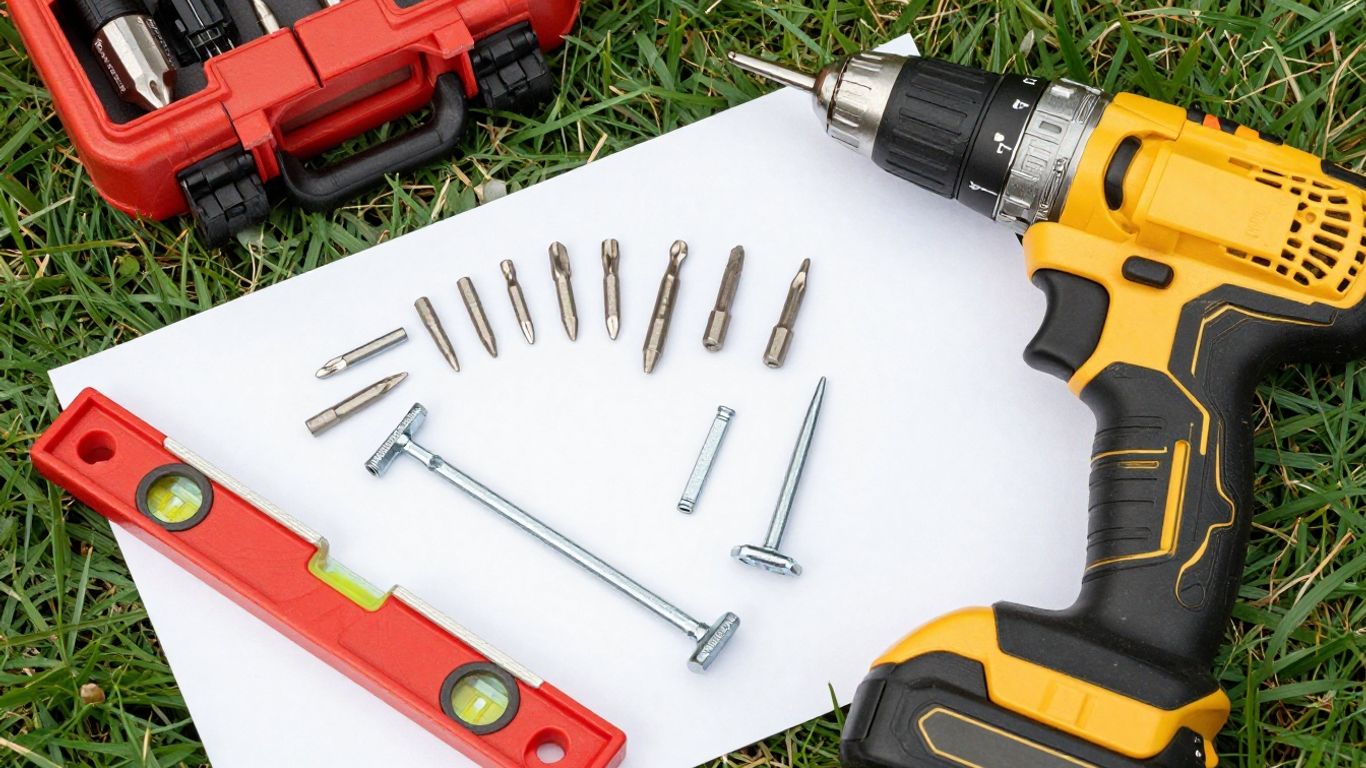
An impact driver is the preferred tool because it provides the controlled torque necessary to sink screws properly without stripping the heads. Always use high-quality, hardened steel driver bits that match your screw head type exactly, as low-end bits often cause slippage and surface wear during installation.
Using a level to ensure correct gutter incline
Even a long bubble level will suffice for shorter sections, but for full-house installs, a laser level is often used by experts. You need to ensure a consistent slope to keep water moving. This simple tool is the key to preventing the most common drainage inefficiency: water trapped in the mid-run of each segment.
Selecting the right exterior-grade silicone sealant
Not all sealants are created equal; you must use a high-performance formula that remains flexible as it expands in the sun and shrinks in the cold. A flexible, waterproof sealant ensures that your gutter screw entry points remain dry for years, preventing the underlying fascia from rotting prematurely.
Protective safety equipment for working at height
Working on a ladder is inherently risky, so keep your feet steady. Wearing sturdy, non-slip footwear and using a stable ladder platform is the baseline expectation for anyone attempting this work. If you are not comfortable at extreme heights, never prioritize speed over safety; instead, call in a local professional.
When to call a professional for gutter fastener repair
Sometimes the problem with your gutter system is more than just loose hardware. If you find yourself frequently adjusting fasteners or noticing recurring drainage issues, there may be an underlying problem that hardware alone cannot fix. When you see signs of systemic misalignment, don't hesitate to reach out for an expert assessment.
Identifying advanced signs of fascia rot or decay
If your wood is dark, soft, or crumbly, screws will have nothing to anchor into. Fascia rot is a progressive issue that often requires cutting out the damaged section and replacing it with treated lumber before you can install new fasteners. If the fascia is too degraded, the weight of the gutter will simply rip the new screws right out of the board.
Dealing with complex roof line transitions and corners
Corners and miters require specific craftsmanship to ensure they remain watertight under pressure. If you are not confident in your ability to cut and seal complex corner connections, hiring a pro is the smarter move to avoid leaks at the joints. These areas take the most abuse during heavy storm events.
Addressing systemic alignment issues in older gutters
If your entire run is no longer straight or consistent, the problem may be the gutter itself. Decades of heavy loads and ice buildup cause aluminum to stretch permanently. When the shape of the material itself is deformed, you are often looking at a total replacement rather than a simple screw fix.
Assessing the risks of high-altitude repair work
Professional contractors are equipped for high-altitude work with stable ladders, standoff bars, and safety harnesses. If your home has a steep pitch or if the gutters are located at a height that makes you feel unstable, the risk of injury is simply not worth the cost of the repair. Let a local service brand handle the ladder work while you keep your feet on the ground.
Conclusion
Upgrading your drainage system with high-quality, corrosion-resistant gutters screws is one of the most effective ways to protect your home's structural integrity. By replacing outdated spikes with threads that offer deep, reliable grip, you prevent the recurring issue of sagging gutters and rotted fascia boards while ensuring that your home remains watertight throughout every season. While DIY installation is possible with the right tools and attention to detail, don't hesitate to contact a professional if you encounter signs of extensive decay or face heights that make you feel uncomfortable, ensuring your gutter system provides protection for many years to come.
Frequently Asked Questions
Why are my gutters always pulling away from the house?
Gutters usually pull away when the support hardware, such as spikes, has loosened due to the natural expansion and contraction of the fascia wood over time.
How many gutter screws do I need per foot?
Typically, a screw should be placed every 24 to 32 inches, though heavy-snow climates often require more frequent spacing to support the extra weight.
Can I install gutter screws in existing spike holes?
It is generally better to drill a fresh hole slightly beside the old one, as old spike holes are often too large or rotted to provide a secure grip.
What prevents the screws from leaking water?
High-quality gutter screws come equipped with integrated neoprene or rubber gaskets that compress against the gutter wall to form a watertight seal when the screw is tightened.
Do I need a specific type of drill for this job?
An impact driver is the superior choice for driving these screws as it provides consistent, high-torque action without stripping the heads of the fasteners.
How do I know if my fascia board is too rotted for screws?
If you probe the wood with a screwdriver and it feels soft, porous, or easily breaks apart, the wood is too far gone and must be replaced to support a gutter.
Is professional installation worth the extra cost?
Professional installation provides the assurance that the incline is correct across the entire run and that delicate areas like corners are sealed using high-end materials, potentially preventing costly future repairs.