Key Takeaways
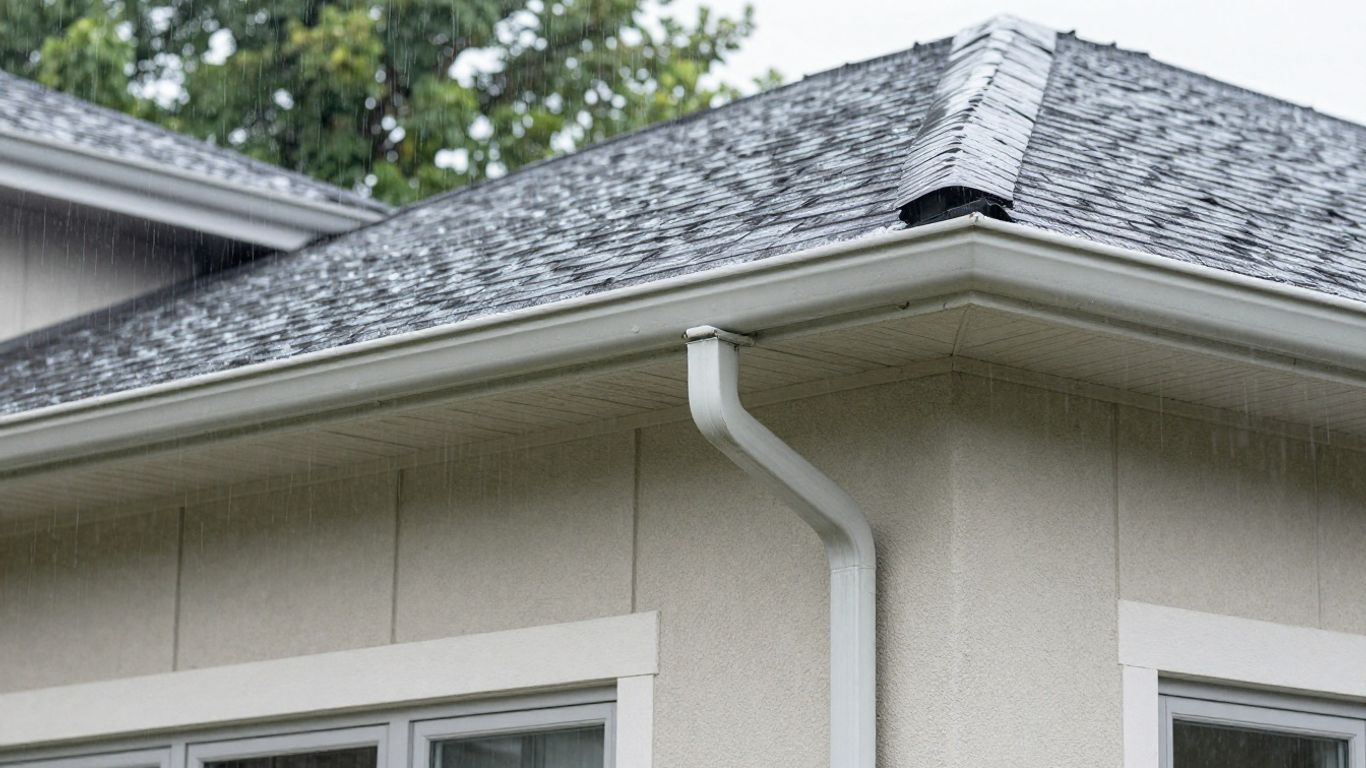
Seamless gutter systems offer a continuous design that minimizes potential leakage points common in traditional setups, making them an excellent choice for long-term home protection.
- Improved water management reduces the risk of foundation issues and exterior wood rot.
- Custom-fitted fabrication on-site ensures every corner and roofline is perfectly addressed.
- Lower maintenance requirements over time stem from the lack of traditional joints and seams.
- While initial costs might be higher, the long-term durability often leads to greater value.
- Professional installation provides a better fit and structural stability for your home exterior.
What are seamless gutter systems
Definition and construction process
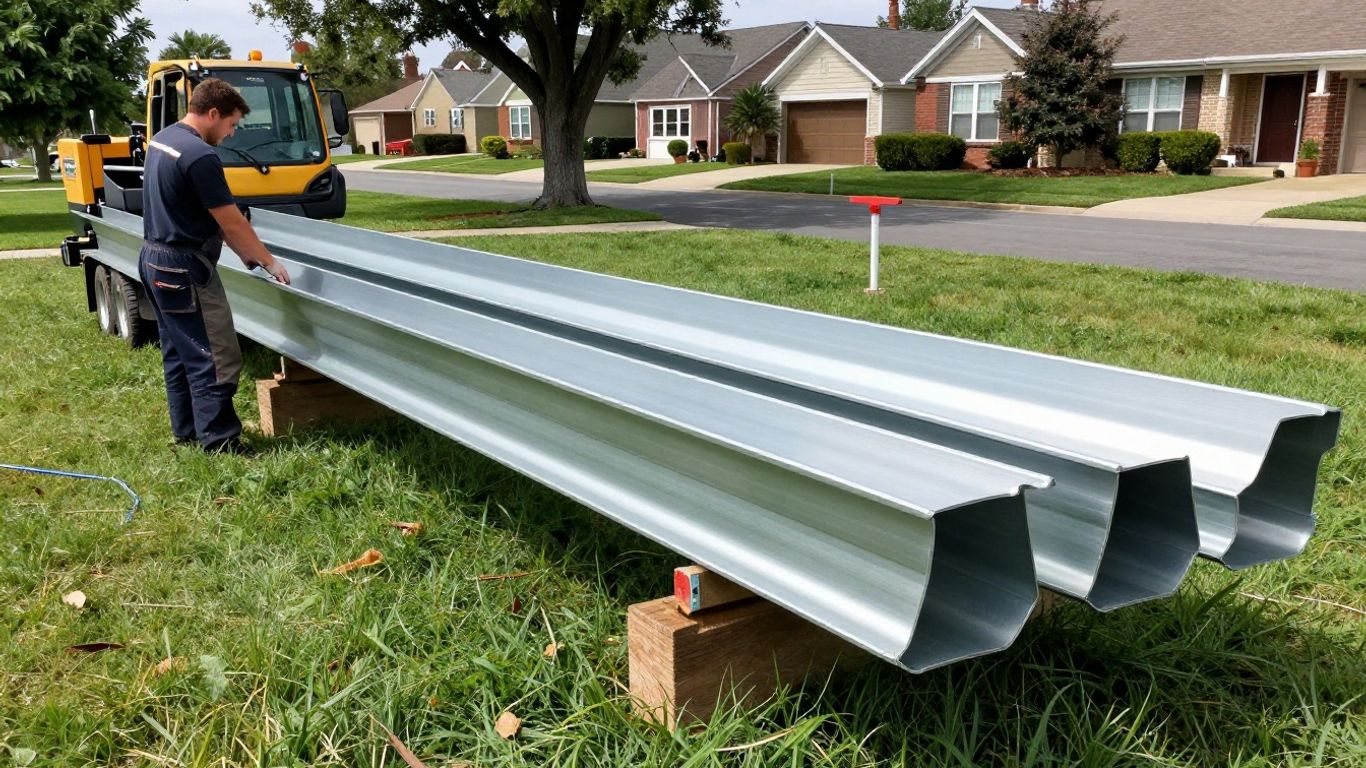
Seamless gutter systems represent a modernization of traditional drainage, engineered to be formed as one continuous unit rather than fragmented parts. Professionals use specialized mobile machines that shape raw material coils into custom-measured troughs right at your curb, ensuring each segment spans the exact length needed for your roofline. This process effectively replaces dozens of joints with rigid, solid channels.
How they differ from sectional gutters
Traditional systems rely on multiple segments connected by fasteners, which inherently create weak points where water can eventually pool or escape. Over time, these seams become prone to wear from thermal expansion, pressure from debris, and constant moisture exposure. By removing the primary source of failure, the continuous design of seamless gutters creates a more reliable path for runoff.
Common materials used in seamless fabrication
Fabricators typically work with aluminum, copper, or galvanized steel to produce these continuous gutters. Aluminum remains the most requested for its longevity and weight, while copper represents a high-end, aesthetic investment that develops a protective patina over time. You can learn more about assessing your specific needs by consulting a professional resource like Water Damage Repair USA if you have concerns about existing leaks.
Why they are considered a long-term home investment
Investing in a durable drainage system is one of the most effective strategies for preventing slow, unnoticed water damage to your roofline and soffit areas. Selecting high-quality, seamless materials transforms a simple maintenance item into a permanent barrier against exterior water intrusion.
Choosing these systems prevents the cyclical repair costs associated with maintaining faulty joints every few seasons. By shifting to a more robust, unified drainage solution, homeowners effectively protect the structural integrity of their eaves and framing from the persistent threat of water seepage.
Benefits of choosing seamless gutters
Reduction in leak potential
Because the structural integrity is not compromised by multiple connections, the primary avenue for leaks is nearly eliminated. Without connectors, there is no chance for fasteners to loosen or gaskets to dry out and fail after a harsh winter or heavy storm season.
Enhanced visual appeal and curb appeal
These systems offer a clean, uniform look that integrates seamlessly with your home's trim. By avoiding the jagged edges of sectional overlapping, you achieve a sophisticated exterior profile that enhances the overall aesthetic value of your property.
Lower maintenance requirements over time
Maintaining your exterior drainage becomes significantly less burdensome with a continuous design. You will notice that the system remains more efficient, as common clogging points are no longer present. Consider these primary maintenance advantages:
- Smooth interior surfaces prevent leaf debris from snagging.
- Absence of joints reduces the risk of moss growth.
- Cleaning becomes faster without needing to scrub seams.
- Less frequent inspections are required to check for leaks.
Integrating these benefits helps ensure your gutter system performs consistently for years without the constant need for sealant repairs.
Improved water flow and debris management
Smoother interior channels encourage rapid water movement during heavy rainfall, quickly directing overflow into downspouts rather than letting it sit. This efficient flow prevents the buildup of silt and grit that often causes traditional systems to sag or overflow, keeping your home safer during sudden weather events.
Factors affecting the cost of installation
Material choice and durability expectations
Choosing between aluminum, steel, or copper will significantly influence the total project investment. While aluminum is standard for its rust resistance, selecting higher gauges increases durability expectations, which is a common topic in any seamless gutter cost analysis.
Total linear footage of the roofline
Because fabrication is based on the specific footprint of your home, the total length required dictates both the material quantity and the labor intensity. Larger homes or complex roof lines naturally require more custom material, impacting the overall project quote.
Complexity of the home architecture
If your home features intricate gables, multiple corners, or significant pitch variations, the installation becomes more specialized. A simple straight-line layout is far less expensive to fabricate and mount than one requiring precise corner miter cuts or custom transitions.
Removing and disposing of old sectional gutters
Most projects entail removing existing, damaged drainage before the new system can be fitted. This phase involves labor for safe detachment and proper disposal, which adds time to the job but ensures a clean slate for the high-performance system.
The professional installation process
On-site measurement and custom fabrication
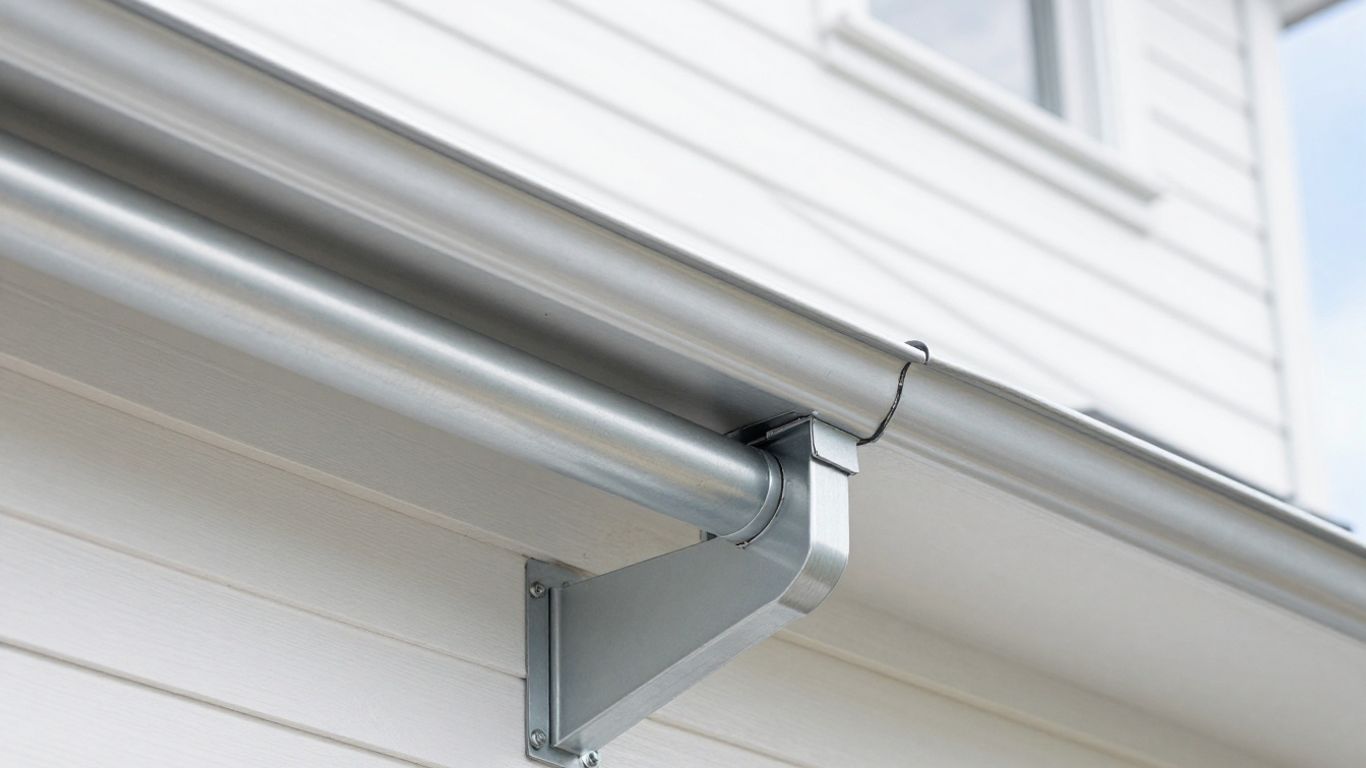
Precision begins with an on-site visit where technicians measure every exterior side to within a fraction of an inch. A machine is then used to extrude the material into a custom-fit length, essentially creating a seamless channel that matches your roof dimensions exactly.
Precision fitting for roofline corners
Even in seamless systems, corners require careful fabrication to maintain a weather-tight seal. Professionals carefully craft mitered joints to ensure water flows smoothly around these angles without hitting obstructions, preventing the splashing often seen in improperly fitted units.
Mounting hardware and fastener selection
Your gutters must be secured to the fascia using hardware sturdy enough to handle heavy water weight and ice loads. Selecting rust-resistant stainless steel hangers provides the necessary tension to keep your system aligned during wind and thermal shifts.
Ensuring proper slope for efficient drainage
During installation, the technician adjusts the hanger spacing and mounting height to create a subtle downward pitch toward the downspouts. This gravity-driven slope is critical for ensuring water does not linger anywhere within the system, even if the installer doesn't have a perfectly level initial surface.
Maintenance tips for long-lasting gutters
Scheduling routine professional cleanings
Even with improved flow, sediment and surface debris will gather eventually. A consistent cleaning schedule ensures these systems remain clear, preventing blockages that could cause water to overflow and damage your siding or landscaping.
Inspecting downspouts for potential blockages
Debris that manages to enter the main channel often lodges in the narrow transition to or inside the downspouts. Periodically flushing these vertical sections with a pressure-controlled hose helps confirm that your structure's drainage is flowing freely from roof to ground.
Monitoring mounting hardware for signs of wear
Fasteners can shift over time due to the expansion and contraction caused by seasonal temperature changes. Checking that all brackets remain securely anchored to the fascia board prevents sagging, which is a major symptom of system failure.
Checking for impact damage after severe storms
Severe weather, especially high winds or hail, can dent or shift the placement of your troughs. Performing a visual walkthrough after any major weather event helps you identify issues before they manifest as leaks, providing peace of mind.
Seamless vs. sectional gutters
Comparing upfront price points
Many property owners want to understand why there is a variance in initial investment when exploring seamless gutter systems versus traditional options. The following comparison highlights key performance differences:
| Feature | Sectional Gutters | Seamless Gutters |
|---|---|---|
| Installation Type | Standard pre-cut pieces | Custom on-site fabrication |
| Joint Reliability | Potential leak point | Minimal leak risk |
| Lifespan Expectation | Moderate | High |
| Maintenance Needs | High inspection frequency | Lower ongoing work |
As indicated in the table above, the higher initial cost of seamless fabrication is typically offset by lower repair needs over the cycle of the product's life. Focusing on long-term value simplifies the comparison when reviewing your options.
Differences in durability and expected lifespan
Standard sectional systems usually deteriorate at the seams first, leading to localized corrosion. In contrast, the continuous integrity of seamless troughs prevents most of these common breakdown factors, often resulting in a significantly longer service life than bolted-together alternatives.
Installation time and labor complexity
Sectional systems are often faster for a basic DIY install, but seamless gutter integration requires specialized equipment and trained labor onsite. While the actual field work is faster than assembling an entire segmented system, the preparation and setup for mobile fabrication require a higher level of professional proficiency.
Long-term repair needs and feasibility
Repairing a segment in a sectional system requires replacing parts or applying layers of sealant that eventually degrade. Seamless gutters are designed to be low-maintenance, though if damage does occur from impact, the affected section can often be cut and replaced by a professional using the same profile.
Choosing the right gutter system for your home
Assessing annual rainfall in your local climate
High-precipitation zones, such as coastal areas, typically require larger, deeper channels to handle the volume of water expected during storms. Your local pro can evaluate regional climate data to recommend the optimal size for your home.
Evaluating the impact of existing roof pitch and soffits
Steep roofs collect and shed water much faster than low-slope roofs, requiring more robust hanger spacing to support the weight. Your contractor will need to examine your existing trim and soffits to ensure the mounting hardware will support the entire system weight correctly.
Balancing budget constraints with longevity goals
While seamless systems might feel like a larger initial outlay, they often serve as a superior financial choice when amortized over their lifespan. Think about the reduced need for professional repairs and recurring sealants when finalizing your decision.
Identifying signs that existing gutters need replacement
Consistent overflowing, visible sagging, or frequent roof decking stains are clear indicators that your current system is failing. Identifying these symptoms early prevents secondary water damage to your foundation or siding, which is far costlier to remediate than simply updating your drainage hardware.
Conclusion
Choosing a high-performance system for your property is an essential step in protecting your home from the damaging effects of water infiltration. By opting for a continuous, custom-fabricated solution, you ensure that your drainage performs reliably for years, minimizing the maintenance overhead that commonly plagues traditional property exteriors. Whether you are dealing with seasonal storms or long-term drainage challenges, prioritising structural integrity provides peace of mind and secures your building's condition against the elements.
Frequently Asked Questions
How often should my seamless gutters be cleaned?
Ideally, you should schedule a cleaning at least twice a year, ideally during late autumn and mid-spring, ensuring all leaves, pine needles, and sediment are removed before they cause blockages or overflow.
Can I install these systems myself?
Performing an effective installation requires specialized roll-forming machines and technical expertise to achieve the correct pitch and secure mounting, so a professional service is strongly recommended to protect both the home and the system.
Why do seamless gutters sometimes cost more than sectional ones?
Costs are higher because the process requires specialized mobile fabrication equipment, professional labor for precision measurement, and high-quality durable materials that are not typically found as pre-cut lengths in hardware stores.
Will my new gutters leak at the corners?
While the main runs are one continuous piece, corners are indeed fabricated and sealed to be watertight, and professional installers use high-grade sealants specifically designed to accommodate thermal movement at these critical junctures.
Are there different sizes or profiles available?
Yes, these systems are available in various styles, including traditional K-style or half-round shapes, and multiple widths to accommodate the specific rainfall capacity requirements of your roof's architecture.
How long does a typical seamless installation take?
Most high-quality professional installations are completed in a single day, as the specialized equipment allows the team to fabricate and fit all custom lengths efficiently once the site preparation is finalized.
How do I know if my gutters are properly sloped?
Properly sloped units will direct water consistently toward downspouts without any stagnant pools, which you can test during a dry day by running a stream of water through them to watch the drainage path.