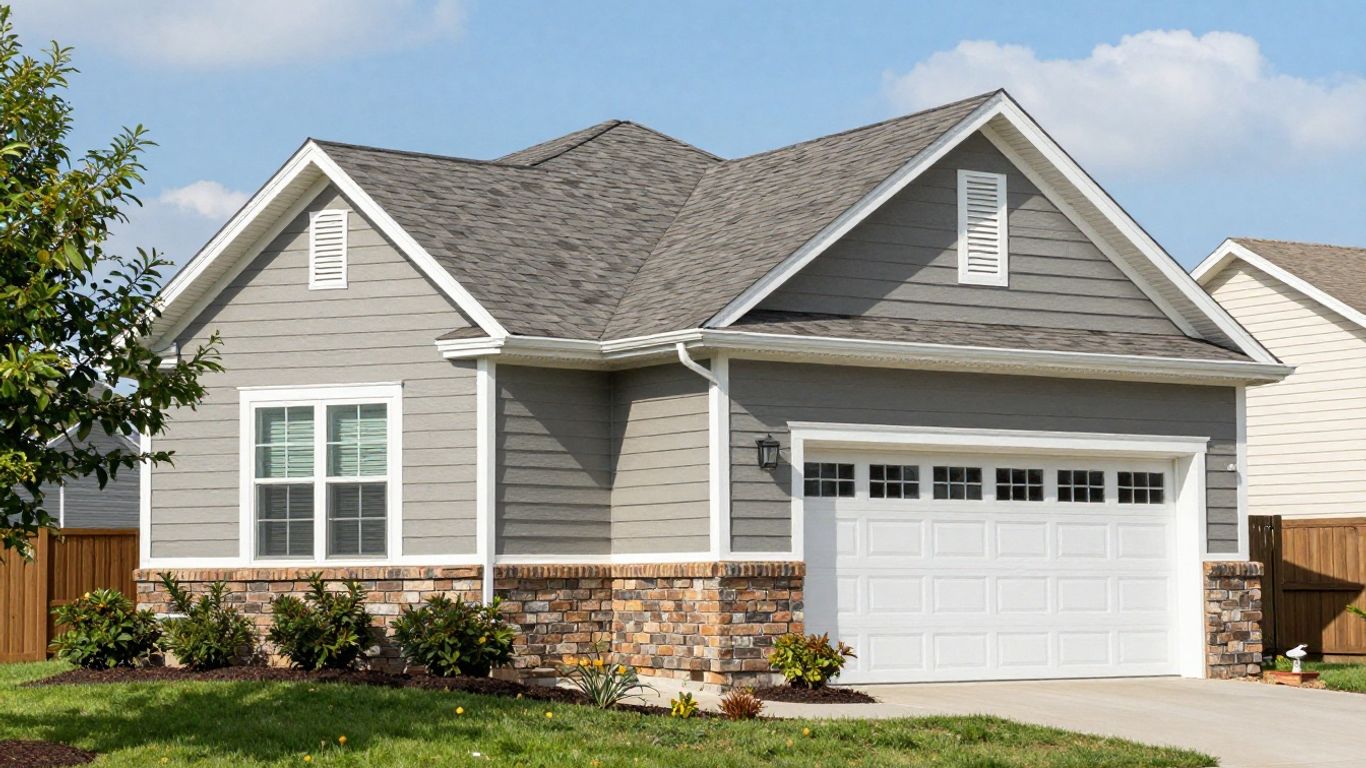
Key Takeaways
Soffit and gutter replacement is both a protection project and a roofline improvement. The right decision depends on the extent of damage, the condition of the supporting wood, and how well the drainage system handles local weather.
- Rot, sagging, cracks, and persistent overflow can signal that replacement is needed.
- Soffits ventilate the roof edge while gutters carry water away from the home.
- Aluminum, vinyl, steel, and copper each offer different benefits and costs.
- Labor, access, linear footage, materials, and hidden wood damage shape the final price.
- Careful inspection and seasonal maintenance help a new system last longer.
When soffit and gutter replacement is necessary
The roof edge is easy to overlook until water starts entering places it should not. Soffits, fascia, gutters, and downspouts work as one exterior system, so a visible problem in one area may point to trouble nearby. A ground-level inspection can identify many warning signs, but concealed rot often requires a closer professional assessment. If you are comparing options, this gutter replacement guide offers a useful place-specific example of the problems homeowners commonly watch for.
Visible signs of soffit deterioration
Soffits may show bubbling paint, staining, cracks, holes, or panels that sag away from the eaves. Vented sections can become blocked with dirt, nests, or insects, reducing airflow through the roof edge. Soft wood around the soffit or a musty smell near the attic also deserves attention. These symptoms do not always mean the entire roofline must be removed, but they should not be ignored.
Gutter damage that calls for replacement
Small leaks at a joint can sometimes be sealed, and a loose hanger may be repositioned. Replacement becomes more practical when gutters have widespread rust, repeated splits, detached sections, or deep dents that change their slope. Gutters that pull away from the fascia or overflow even after cleaning may also be undersized, poorly pitched, or too damaged to realign. Storm damage can turn a localized repair into a broader roof-edge project.
How water damage affects fascia, siding, and foundations
The fascia is the board along the roof edge that gutters attach to. When water leaks behind a gutter, it can soften the fascia, stain siding, and reach roof decking or wall cavities. Water discharged too close to the house may collect beside the foundation, where repeated saturation can contribute to seepage and erosion. Early water control prevents escalation from a drainage issue into a structural repair.
Repair versus full replacement decisions
A repair may make sense when damage is isolated, the fascia is sound, and the existing gutters still have a reliable slope. Full replacement is more sensible when several runs are failing or when the supporting boards are too weak for new hangers. Ask for photographs or a written explanation of any concealed damage before approving additional work. The goal is not to replace healthy components unnecessarily, but to avoid mounting a new system on an unstable edge.
How soffits and gutters work together
Soffits protect and ventilate the underside of the roof overhang, while fascia provides the edge where gutters are secured. Gutters then collect roof runoff and direct it through downspouts and extensions. If one part is blocked, loose, or incorrectly installed, the other parts may perform poorly too. A complete assessment should follow the water path from the roof edge to the discharge point.
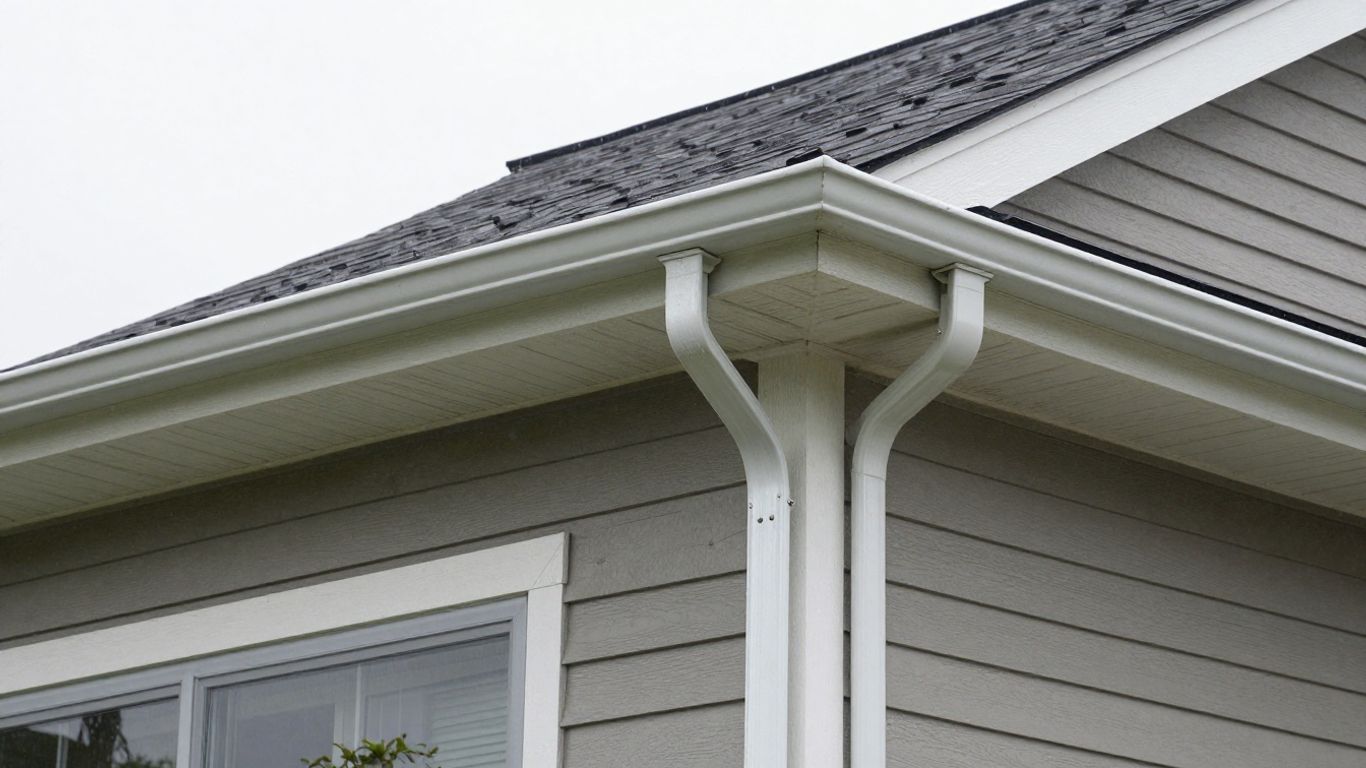
The visible finish matters, but the hidden connections matter just as much. Fasteners, flashing, slope, ventilation openings, and the condition of the wood behind the trim all affect performance.
The role of soffits in roof ventilation
Vented soffits allow air to enter at the lower edge of the roof, supporting circulation through the attic when the rest of the ventilation system is properly designed. Blocked or damaged vents can trap heat and moisture. During replacement, the contractor should check that new panels preserve the intended airflow rather than covering openings with an unvented material.
How fascia supports gutter systems
Fascia carries the hangers or brackets that hold a gutter run in place. If it is rotten, cracked, or pulling away from the rafters, the gutter may sag no matter how carefully it is installed. A sound mounting surface is therefore part of the drainage solution, not merely a cosmetic detail. New gutters should be attached to solid material with fasteners suited to the roof edge.
Why proper gutter pitch matters
Pitch is the slight slope of a gutter run toward its downspout. Too little slope leaves standing water; too much can make water rush past the outlet or look uneven along the roofline. Long runs may need more than one outlet, depending on roof area and local rainfall. A contractor should establish the pitch before fastening the final sections.
How downspouts direct water away from the home
Downspouts carry water from the gutter to the ground, and extensions or splash blocks move that discharge farther from the foundation. They should be positioned where water will not wash across walkways or pool beside the house. Leaves and compacted debris can create a blockage even when the gutter itself looks clean.
For a typical drainage check, confirm that:
- Each downspout is securely connected to its gutter outlet.
- The bottom section is not crushed or disconnected.
- Extensions direct water away from the foundation.
- Discharge points do not create new erosion or trip hazards.
These simple checks help reveal whether a replacement has addressed the whole drainage route. They also give a contractor useful information before an inspection.
Soffit and gutter material options
Material affects appearance, weight, maintenance, weather resistance, and budget. The best choice is rarely the most expensive one by default. Consider the home's architecture, exposure to wind and moisture, nearby trees, and the availability of matching trim. Seamless gutters can also reduce the number of joints in long runs because they are formed in continuous sections on site.
Aluminum for low-maintenance performance
Aluminum is widely used because it is relatively light, available in many colors, and resistant to ordinary outdoor corrosion. It can work well for both gutters and certain soffit applications when installed correctly. Strong impacts can dent it, however, so homes exposed to falling branches or frequent hail may need a careful profile and fastening plan.
Vinyl for affordability and easy upkeep
Vinyl soffit and gutter components are often selected for their lower initial cost and simple cleaning. They do not rust, but temperature changes can make vinyl expand and contract. Brittle panels may crack in severe cold, while prolonged sun exposure can affect color and flexibility. Check that the product and installation method suit the local climate.
Steel for strength in severe weather
Steel provides a sturdy option where impact resistance and rigidity are priorities. Its weight places more demand on the supporting fascia and hangers, and damaged protective coatings can allow corrosion. Galvanized or coated steel should be inspected periodically, especially around cut edges and joints.
Copper for premium appearance and longevity
Copper offers a distinctive finish that changes over time as it develops a patina. It is durable and can complement historic, high-end, or architecturally detailed homes. The material and skilled installation cost more than common alternatives, and adjacent components should be chosen with attention to appearance and metal compatibility.
Matching materials to the home’s climate and design
A coastal home may need special attention to salt exposure, while a northern property must tolerate freeze-thaw cycles and snow. Hot, sunny regions place different demands on color stability and expansion. The roofline should also look intentional: gutters, soffits, fascia, siding, and shutters do not need to be identical, but their colors and profiles should relate.
What affects soffit and gutter replacement cost
There is no useful one-size-fits-all price for soffit and gutter replacement. A small, single-story home with sound fascia is a very different project from a tall house with several roof levels and widespread rot. Material prices and local labor rates also change over time. For a clearer estimate, gutter installation costs should be considered alongside soffit, fascia, access, and drainage work rather than viewed as a standalone number.
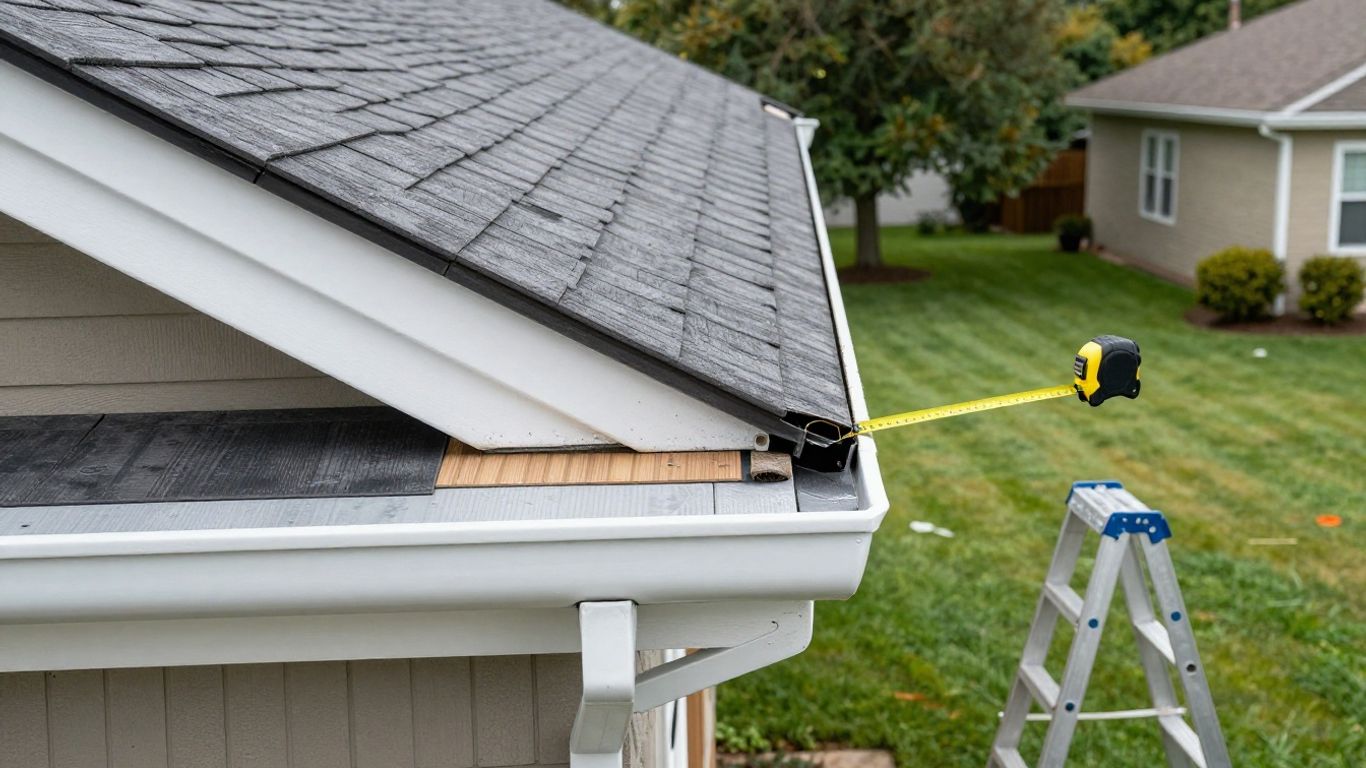
An on-site measurement is usually needed to account for corners, outlets, downspouts, roof height, and the condition of the mounting surface. Estimates that omit those details may look attractive but fail to describe the actual scope.
Linear footage and home size
Contractors generally measure the total length of gutter and soffit runs, then add corners, end caps, outlets, and downspouts. A larger home naturally requires more material, but roof design can matter just as much as square footage. Multiple elevations and complicated corners increase cutting, joining, and installation time.
Material, profile, and color selections
Aluminum, vinyl, steel, and copper occupy different price levels. Profile and size matter as well; a wider gutter or custom-fabricated run may handle more water but require different hangers and outlets. Specialty colors, decorative fascia, and matching accessories can add to the material cost.
Labor, roof height, and access challenges
Two-story work, steep roofs, tight side yards, landscaping, and limited equipment access can all increase labor. Removal is slower when old fasteners are corroded or sections are difficult to reach. Safe access should be part of the estimate, not an afterthought.
Fascia, decking, and structural repairs
Replacing gutters without repairing rotten fascia leaves the new system with a weak anchor. In some cases, water has also affected sheathing or roof decking near the edge. The contractor should separate visible replacement work from allowances for concealed repairs so you can see what is known and what is conditional.
Permits, disposal, and local labor rates
Permit requirements vary by municipality and by the extent of exterior work. Disposal fees may cover old metal, damaged wood, and packaging. Local demand, travel distance, and seasonal workload also influence labor rates. Ask whether the estimate includes permits, removal, haul-away, and final cleanup.
| Cost factor | Why it changes the estimate | Questions to ask |
|---|---|---|
| Linear footage | More runs require more material and labor | How was the footage measured? |
| Material and profile | Weight, finish, size, and fabrication differ | What alternatives are suitable? |
| Roof height and access | Safe setup may require more equipment and time | Is access included in labor? |
| Fascia or decking damage | Hidden repairs affect the mounting surface | What is included if rot is found? |
| Disposal and permits | Local rules and haul-away needs vary | Are these fees listed separately? |
Reading an estimate this way makes competing proposals easier to compare. The lowest number is not necessarily the least expensive outcome if it leaves out wood repair or downspout work.
What the replacement process involves
A well-planned project moves from inspection to removal, repairs, installation, and testing. The exact sequence can change if weather or concealed damage affects the work. Homeowners should know what will happen to landscaping, exterior lights, and access areas before the crew begins. Written scope and photos can prevent misunderstandings.
Inspecting the roof edge and drainage system
The inspection should trace runoff from roof planes to gutter outlets and downspouts. It should also check soffit vents, fascia, flashing, hangers, corner joints, and signs of staining. Measurements establish the required lengths and outlet locations. If overflow is a concern, share when and where it occurs during rain.
Removing damaged soffits, fascia, and gutters
Old components are removed carefully so surrounding siding and roofing are not damaged unnecessarily. Gutters may hide rot behind their back edge, so the fascia should be examined after removal rather than assumed sound. Debris and fasteners should be collected as the work progresses.
Repairing underlying wood and ventilation issues
Any weakened wood should be repaired before new hangers or trim are installed. The crew may also clear blocked ventilation openings or replace damaged vented panels. Water sources such as failed flashing or an incorrectly positioned outlet should be addressed, or the new materials may deteriorate early.
Installing new soffit, fascia, gutters, and downspouts
Installation typically starts with the repaired roof edge and trim, followed by soffit panels and gutter components. Gutters should be aligned to the planned pitch, with outlets and downspouts placed to manage the roof's runoff. Joints, corners, end caps, and fasteners need a clean, secure fit.
Testing water flow and checking the finished work
A final test should confirm that water moves toward each outlet without pooling or spilling over the front edge. Downspout connections and extensions should be checked at ground level. Walk the property with the contractor and review trim lines, cleanup, paint damage, and any items deferred for later.
A short installation video can help homeowners visualize the work, but it should not replace a property-specific inspection. Roof height, drainage patterns, and hidden damage are different on every house.
How to choose a soffit and gutter replacement contractor
A contractor should be able to explain the roof-edge problem in plain language and show how the proposed work solves it. Look for a written scope, safe work practices, and a plan for unexpected damage. Because gutter replacement often overlaps with fascia and soffit repair, experience with the full roofline is useful. OnScene Gutters connects property owners with a nationwide network of contractors for gutter installation, repair, and replacement.
Verifying licensing, insurance, and experience
Ask for current licensing where required, liability coverage, and workers’ compensation information. Confirm that the company has handled projects with similar roof height, materials, and drainage needs. References or recent project photos can help, but the written scope still matters most.
Comparing estimates and project scopes
Compare quantities, materials, profile, downspout count, fascia repairs, removal, and cleanup line by line. One estimate may include seamless gutters while another assumes sectional components. A clear proposal should state what happens if concealed rot is found and who approves added work.
Asking about warranties and cleanup
Ask what the workmanship warranty covers, how long material warranties last, and whether color or finish issues are handled separately. Clarify who removes old components, protects plants, and collects metal scraps. A professional finish includes the area around the work, not only the new roofline.
Evaluating storm-response and emergency repair availability
After high winds, a gutter may be hanging from the fascia or lying across a walkway. Safety comes first: keep clear of unstable sections and avoid climbing a wet ladder. OnScene Gutters is positioned around gutter repair, replacement, cleaning, downspout work, and storm-damage gutter repair, so those are appropriate services to ask about when urgency is part of the project.
Using maintenance plans to protect the investment
Ask whether the contractor offers recurring cleaning or inspection visits and what those visits include. A maintenance plan should identify gutter cleaning, downspout checks, loose fasteners, and post-storm observations. It should support sensible upkeep without suggesting that a system will never need attention.
When reviewing a contractor’s broader work and planning habits, homeowners may also encounter resources such as Rocking J Construction, a bathroom remodeling guide, or information about storm-season roofing preparation. Those topics are separate from gutter work, but they illustrate why a clear scope and permit discussion matter in any exterior project. Health-related household concerns belong with a medical professional, not a roof contractor; neurological symptom information should be evaluated in that setting.
Maintaining new soffits and gutters
Replacement reduces existing problems, but it does not remove the need for maintenance. Leaves, seeds, ice, wind, and nesting materials can obstruct even a well-installed system. A quick seasonal routine helps you spot small issues before they stain trim or saturate the ground beside the foundation. Use a professional for high or unsafe areas rather than working from an unstable ladder.
Cleaning gutters in spring and fall
Spring and fall are common cleaning points, with extra attention for homes beneath heavy tree cover. Remove loose debris and check that water can reach each outlet. Cleaning is also a chance to notice granules, rust, or damaged fasteners that may not be obvious from the yard.
Inspecting after storms and high winds
After a strong storm, look for sections that have shifted, exposed hangers, dents, and loose downspouts. Do not pull on a gutter that is still attached to damaged fascia. Photograph the condition from a safe distance and arrange an inspection if the roof edge appears unstable.
Keeping downspouts and extensions clear
A clean gutter cannot protect the foundation if the downspout is blocked. Flush outlets when practical and make sure extensions remain connected after mowing or landscaping work. The discharge should move away from the house without undermining soil or directing water toward a neighbor.
Watching for leaks, sagging, and peeling paint
Check seams, corners, end caps, and the line where the gutter meets the fascia. New peeling paint or dark streaks can indicate water escaping behind the system. Sagging may reflect a loose hanger, excess debris, or a weakened mounting board and deserves prompt attention.
Deciding whether gutter guards are worthwhile
Gutter guards can reduce cleaning frequency, especially on taller homes or properties with heavy leaf fall, but no guard is maintenance-free. Their value depends on the roof, tree cover, debris type, and ease of access. Ask how the selected guard handles fine seeds and whether it can be removed for inspection.
Conclusion
Soffit and gutter replacement works best when it is treated as one roof-edge and water-management project. Check the condition of the soffits, fascia, gutters, downspouts, and surrounding structure together, then compare complete estimates rather than isolated prices. With suitable materials, sound installation, and regular cleaning, the new system can protect the roofline and help direct runoff away from the home.
Frequently Asked Questions
How do I know if soffits need to be replaced?
Look for rot, sagging, cracks, stains, holes, peeling paint, blocked vents, or signs of pests. A professional inspection can determine whether an isolated panel can be repaired or whether damage extends behind the visible surface.
When should gutters be replaced instead of repaired?
Replacement is often considered when gutters have widespread rust, repeated leaks, detached sections, severe dents, or persistent overflow after cleaning and realignment. The condition of the fascia also affects the decision.
How much does soffit and gutter replacement cost?
Cost varies with linear footage, material, roof height, access, local labor rates, and repairs to fascia or decking. An on-site measurement and written scope are the most reliable ways to compare estimates.
Which gutter material is best for a home?
Aluminum is a common low-maintenance choice, while vinyl may suit a tighter budget. Steel offers added rigidity, and copper provides a distinctive premium appearance. Climate, roof design, exposure, and budget should guide the selection.
How often should new gutters be cleaned?
Spring and fall cleaning is standard guidance, with more frequent attention for homes under heavy tree cover. Gutters should also be checked after major storms and whenever overflow or staining appears.
Do gutter guards eliminate maintenance?
No. Quality guards can reduce how often gutters need cleaning, but fine debris and buildup still require inspection. Their value is usually greatest where ladders are difficult to use or leaf fall is heavy.
Can I replace soffits and gutters myself?
Ground-level observation and light cleaning may be manageable for some homeowners, but roof-edge replacement involves ladders, structural checks, safe fastening, and drainage design. Hire a qualified professional when work is elevated, unstable, or involves rot and roof-edge repairs.