Key Takeaways
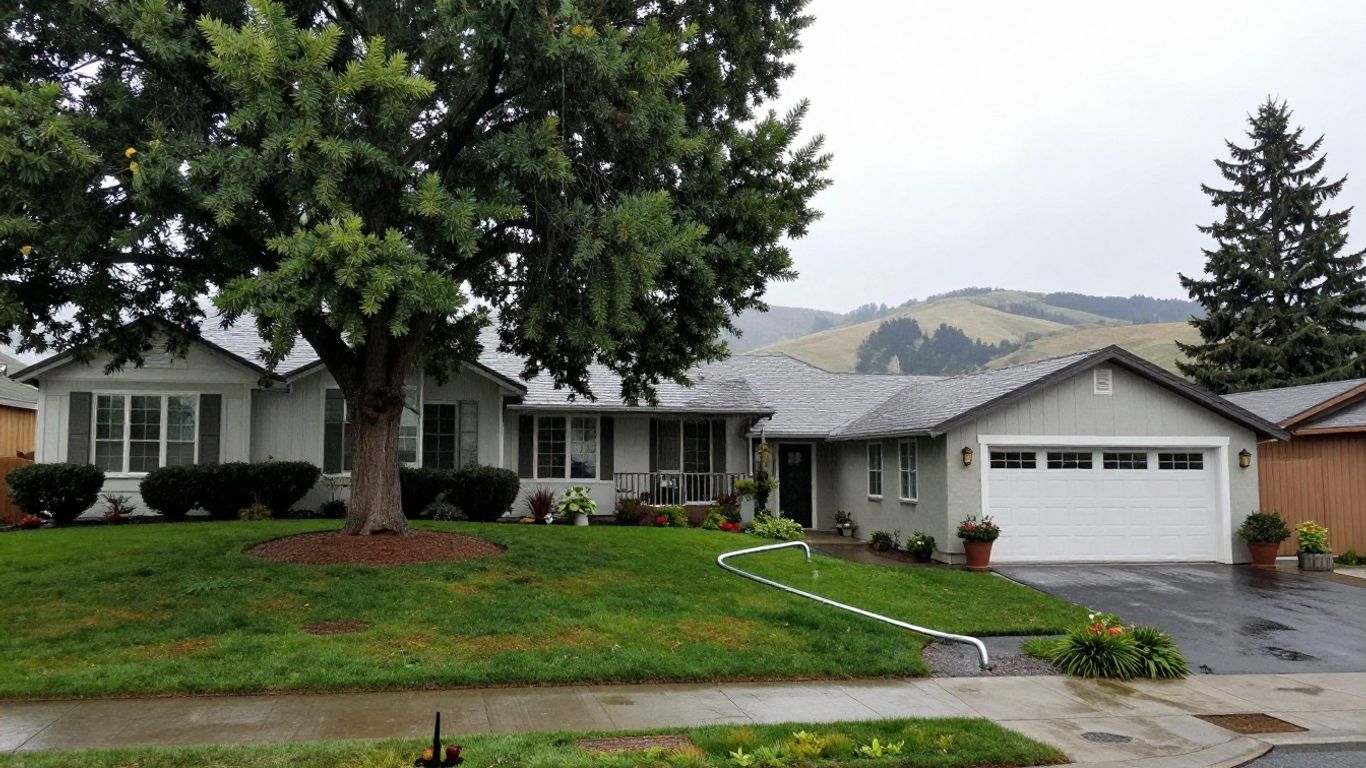
A well-planned gutter system helps a Santa Rosa home handle seasonal rain without directing water toward vulnerable parts of the property.
- Choose a profile and material that suit the roof, architecture, and maintenance expectations.
- Size gutters and downspouts according to roof area, pitch, and rainfall flow.
- Include fascia repairs, extensions, and drainage work in the project plan.
- Compare estimates by materials, access, labor, warranties, and scope—not price alone.
- Keep the system effective with spring and fall cleaning and routine inspections.
Why gutter installation matters in Santa Rosa homes
Santa Rosa gutter installation is more than a cosmetic upgrade. Gutters collect roof runoff and guide it toward safer discharge points, helping reduce water exposure around the home. Sonoma County properties may go through long dry stretches followed by periods of intense rain, so a system that looks fine in summer can still perform poorly when storms arrive. Good planning connects the roof edge, downspouts, soil, and foundation into one drainage path.
Managing Sonoma County’s seasonal rainfall
Rainfall patterns make capacity and slope worth discussing before materials are ordered. A gutter that is too small, poorly pitched, or interrupted by an undersized downspout may overflow even when it is clean. Valleys can concentrate runoff, while long roof edges may need additional outlets to keep water moving. A site review should consider where water leaves each roof plane, not simply how many feet of gutter the house has.
For a local overview of custom-fit systems and downspout placement, see Santa Rosa gutter installation services. The useful question is not only whether gutters are present, but whether the full system moves water away from the home during a heavy shower.
Protecting foundations, siding, fascia, and landscaping
Uncontrolled runoff can splash against siding, stain exterior walls, wash soil from planting beds, and collect beside the foundation. Water that runs behind the gutter can also expose deteriorated fascia and roof-edge wood to repeated moisture. A complete drainage path protects more than the gutter itself; it helps limit the number of places where water can linger.
Downspout outlets deserve the same attention as the horizontal runs. Extensions, splash blocks, or a suitable underground connection can carry discharge beyond vulnerable areas, while stable soil and carefully placed landscaping can reduce erosion.
Recognizing when repairs are no longer enough
Small leaks or a loose hanger may be repairable, but recurring problems often point to a system that has reached the end of its useful service. Watch for sagging runs, repeated overflow, large dents, separated joints, peeling paint near the roof edge, and water collecting at the foundation. These signs should be considered together rather than treated as isolated defects.
The gutter replacement guide can help organize that evaluation. Replacement is often more practical when several sections fail, the fascia cannot hold new fasteners, or repairs would leave an inconsistent system with the same drainage weaknesses.
Choosing the right gutter system for your home
Material and profile decisions affect appearance, durability, cleaning, and installation cost. The best choice depends on the roof shape, the home’s architecture, local exposure, and how much maintenance the owner is prepared to handle. It also helps to decide whether the project is a full replacement or an addition to an existing system. A qualified installer can explain trade-offs without treating one material as right for every property.
Seamless versus sectional gutters
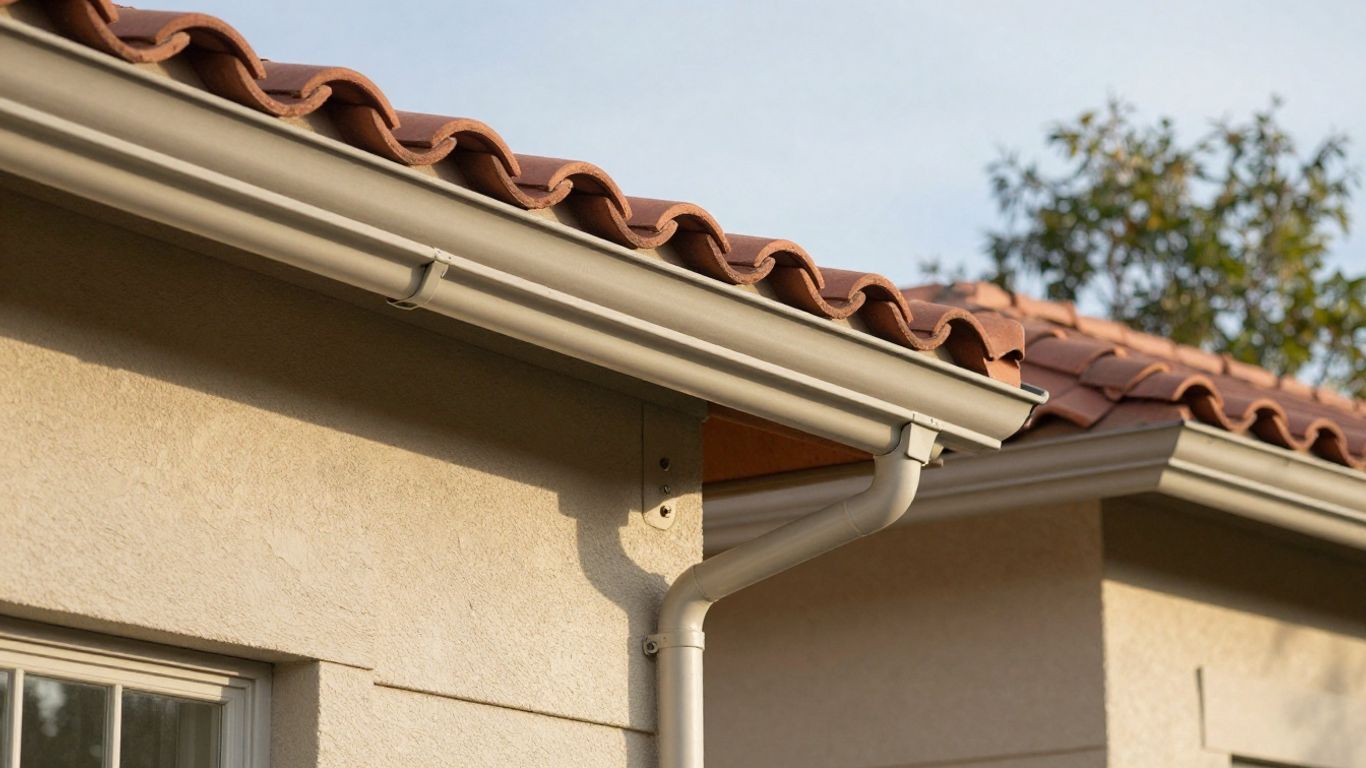
Seamless gutters are roll-formed on site in continuous runs, with no mid-run joints. Fewer joints can mean fewer locations for leaks, while sectional gutters may be practical for small, simple projects or limited repairs. Corners, end caps, and outlets still require connections in either system, so workmanship remains a major part of performance.
For homeowners comparing a custom-fit option, seamless gutter installation explains how local contractors approach leak-resistant, low-maintenance systems. The right decision should account for roof length, access, corners, and the condition of the supporting fascia.
K-style versus half-round profiles
K-style gutters are the most common residential profile and have a decorative ogee front that suits many contemporary and traditional homes. Half-round gutters have a rounded shape and are often selected for historic, craftsman, or period-inspired designs. Profile choice affects brackets, outlet details, visual lines, and sometimes the available size options.
Neither profile automatically solves a drainage problem. Pitch, downspout placement, roof area, and clear outlets still determine whether water moves efficiently. Choose the profile that fits both the architecture and the practical demands of the roof.
Aluminum, copper, steel, and vinyl considerations
Aluminum is light, widely available, and commonly selected for residential work. Copper offers a distinctive appearance and develops a changing patina, but it is a premium material. Steel provides rigidity and may suit certain demanding applications, while vinyl is lightweight and budget-oriented but can be less suitable where heat, impact, or long-term rigidity are concerns.
A local estimate should identify the material, thickness or gauge where relevant, profile, size, finish, and included accessories. For an example of custom-fabricated half-round copper work, copper gutter installations provide useful context, though a copper system is not necessary for every Santa Rosa home.
Selecting the right gutter color and finish
Color can either blend the gutter into the fascia or create a deliberate trim detail. Factory-finished aluminum offers many common exterior colors, while copper and some other metals are typically chosen for their natural appearance. Look at the roof, fascia, siding, window trim, and downspouts together rather than selecting a sample in isolation.
Finish quality also matters at corners and end caps, where uneven cuts are easy to notice. A professional should confirm the color before fabrication and explain how touch-ups, expansion, and cleaning may affect the finished appearance.
Planning a Santa Rosa gutter installation
Planning begins at the roof edge and ends at the discharge point. A useful estimate accounts for linear footage, corners, outlets, downspouts, height, access, and any repairs needed before installation. It should also consider how roof planes join and where concentrated flows occur. This preparation reduces surprises and makes competing proposals easier to compare.
Measuring roof edges and estimating linear footage
Measure each gutter run separately, noting inside and outside corners, end points, and transitions. Do not assume the home’s footprint equals the amount of gutter required; porches, additions, dormers, and detached structures can change the total. Downspout locations should be marked during the same measurement rather than added as an afterthought.
A rough takeoff is useful for planning, but an on-site measurement is needed for a dependable estimate. Roof access, trim details, and existing conditions can change the scope even when the visible roofline appears straightforward.
Determining gutter size and downspout capacity
Gutter size should reflect the roof area feeding each run, the pitch, and the intensity of expected runoff. A large roof plane draining into one small outlet is more likely to overflow at the first serious storm. Downspout diameter, number, and placement must match the amount of water collected by the gutters.
Ask the installer to explain the sizing choice in plain language. The goal is a coordinated system, not simply a larger channel. Leaf buildup, screens, guards, and tight elbows can also affect how quickly water reaches the ground.
Accounting for roof pitch, valleys, and complex layouts
Steep roofs can send water into gutters with greater force, and valleys can concentrate flow at specific points. Long runs may need careful pitch correction so water does not sit in the channel. Complex rooflines also create more corners, transitions, and potential overflow points.
A sketch or marked-up site photo can make these conditions easier to discuss. It should show where water is expected to travel and where the installer proposes to place outlets, especially near porches, walkways, and lower roof sections.
Identifying fascia, soffit, and roof-edge repairs
Gutters fasten to parts of the roof edge that must be sound. Soft fascia, damaged soffit, loose drip edge, or hidden rot can prevent hangers from holding securely. Installing new gutters over compromised wood may produce a neat appearance without creating a durable attachment.
Before work begins, clarify whether fascia and soffit repairs are included, coordinated separately, or excluded. Photographing existing conditions can help distinguish pre-existing damage from issues discovered during removal.
Understanding installation costs and project factors
Gutter pricing varies because no two rooflines or properties create the same workload. Material, profile, linear footage, home height, removal, access, repairs, downspouts, and drainage improvements all affect the final number. National cost discussions can provide a starting point, but they should not replace a property-specific estimate. The most useful quote explains what is included and what could change.
How material choices affect the estimate
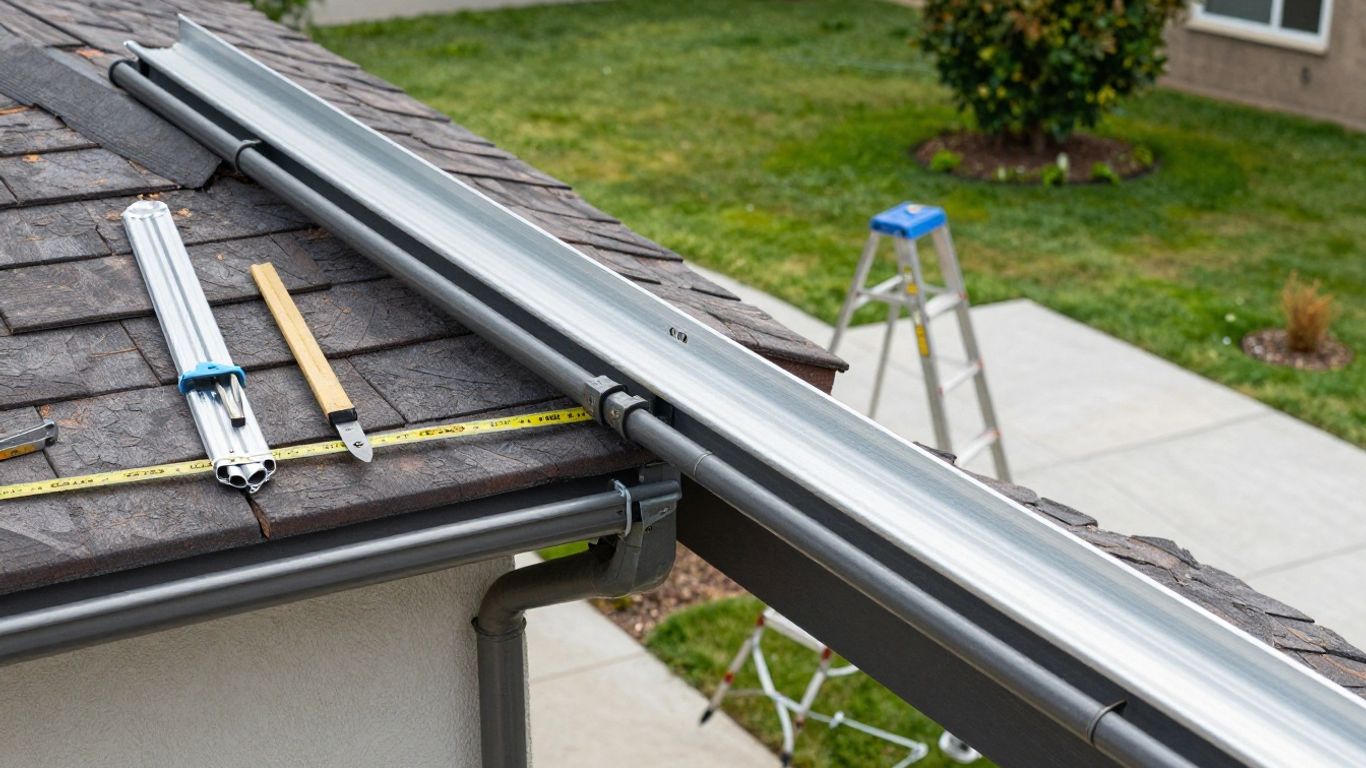
Aluminum and vinyl are often positioned toward the more accessible end of material pricing, while steel and copper can raise the material portion of the estimate. Seamless fabrication, heavier gauge, specialty colors, custom profiles, and copper details may also increase labor or fabrication time. The cheapest material is not automatically the least expensive choice over the life of the system.
For a broader cost framework, gutter installation cost factors covers material, profile, removal, fascia repair, downspouts, and labor considerations. Treat published ranges as planning information; an accurate figure requires measurements and an inspection of the property.
The impact of home height, access, and labor
A single-story home with open access is usually simpler to work on than a tall home with steep slopes, tight side yards, or landscaping that must be protected. Long ladder moves, difficult staging, old gutter removal, and roof-edge repairs add time. Weather and scheduling can affect the practical timing of the work as well.
Ask whether the quote includes removal and disposal, setup, protection for nearby surfaces, and cleanup. Labor is not just the time spent attaching the gutter; it includes safe access, accurate cuts, pitch, sealing, and testing.
When gutter guards and downspout extensions add value
Guards can reduce the amount of debris entering a gutter, but they do not make the system maintenance-free. They may offer more value on two-story homes, properties under heavy tree cover, or homes where ladder access is difficult. Downspout extensions are useful when outlets otherwise release water beside the foundation, walkway, or planting bed.
Consider the surrounding drainage before adding either accessory. A guard on a poorly pitched gutter will not correct the pitch, and an extension that ends on compacted soil may simply move the pooling farther away without solving it.
What to include in an on-site estimate
A clear estimate should separate the main components so the homeowner can compare scope rather than just totals. It should identify the proposed material and profile, gutter and downspout quantities, removal, fascia or soffit work, guards, extensions, taxes, and cleanup. It should also state the workmanship and material warranty terms.
Useful questions include:
- How many linear feet and downspouts are included?
- Which roof-edge repairs are included or excluded?
- Where will each downspout discharge?
- Are guards, extensions, removal, and disposal itemized?
After reviewing those details, ask how the proposed system handles valleys and concentrated roof flow. A modest difference in price may reflect a meaningful difference in drainage planning.
Improving drainage around the property
Gutters work best when the entire site is considered, not just the metal or vinyl channel. Water should leave the roof, travel through a clear downspout, and discharge where it will not undermine soil or collect beside the structure. The slope of the yard, hardscape, planting beds, and existing drains all influence the best route. This is where a careful installation becomes part of broader water management.
Positioning downspouts for effective water flow
Downspouts should be placed where they can handle the water collected by the roof run and where their outlets will not interfere with doors, paths, or vulnerable landscaping. Corners are common locations, but the most visually convenient position is not always hydraulically effective. Long uninterrupted gutter runs may need more than one outlet.
Discuss outlet locations before installation. A simple plan can show which roof sections feed each downspout and whether water will be directed toward an existing drain, a safe grade, or an extension.
Extending discharge points away from the foundation
A downspout that ends at the wall can deposit a surprising amount of water in one small area. Extensions, elbows, splash blocks, or surface channels can move discharge away from the foundation, provided the final point is stable and does not send water toward a neighbor or public walkway. The best distance depends on site grading and soil conditions.
Keep outlets visible enough to inspect and clear. Buried or covered ends can be useful, but they should remain accessible for maintenance and should not be installed where sediment will quickly block the route.
Connecting to underground drainage systems
An underground connection can keep discharge out of walkways and improve the appearance of the property. It requires more planning than attaching a simple extension because pipe slope, cleanouts, outlet location, and blockages must be considered. The system should have a suitable destination rather than simply burying water beside the foundation.
Where underground work is proposed, ask who is responsible for locating utilities and confirming the discharge route. The estimate should distinguish gutter work from excavation, piping, grading, and restoration.
Preventing erosion, pooling, and basement seepage
Watch the ground after the first substantial rain. Bare soil, small channels, standing water, and damp foundation areas can reveal a drainage problem that was not obvious on installation day. Downspout discharge may need a longer route, a stabilized outlet, or a connection to an appropriate drainage feature.
The Santa Rosa gutter services page describes installation, repair, replacement, and maintenance options in the local area. Whether the issue is a new layout or a weak point in an existing one, correcting the path of water is usually more useful than repeatedly sealing visible symptoms.
Hiring a qualified gutter installation professional
A professional installation should begin with inspection and measurement, not a quick price based only on photographs. Look for clear communication about materials, roof-edge conditions, downspout routing, access, and cleanup. A contractor should also be willing to explain what the crew will do if hidden damage appears. Good documentation protects both sides of the project.
Questions to ask about experience and insurance
Ask how often the contractor installs the profile and material you are considering, whether the work is performed by its own crew or subcontractors, and what insurance coverage applies. Confirm who handles removal, fascia coordination, and drainage changes. It is also reasonable to request recent local references or examples of similar roof layouts.
Avoid choosing solely on a short phone estimate. The important comparison is the contractor’s process: measurement, written scope, safety planning, installation details, and follow-up.
Comparing warranties, materials, and workmanship
Material warranties and workmanship warranties cover different things. A material warranty may address manufacturing defects, while workmanship coverage may concern installation errors such as poor pitch, loose hangers, or leaking joints. Read the duration, exclusions, maintenance requirements, and process for making a claim.
The On Scene Gutters network connects property owners with local professionals for seamless gutter installation, repair, replacement, and maintenance. Those are documented service categories; the specific contractor, material, schedule, and warranty should still be confirmed before signing.
Verifying permits and local installation requirements
Permit needs can vary with the project, jurisdiction, building type, and whether work changes drainage or involves structural repairs. Ask the contractor who will verify requirements with the local authority and whether any filing or inspection costs are included. Homeowners’ associations may also have rules about exterior colors, profiles, or visible drainage components.
Do not assume that a small exterior project has no administrative requirements. Written clarification is preferable to discovering a problem after materials are installed.
Preparing your home for installation day
Move patio furniture, planters, vehicles, and fragile decorations away from the work areas. Keep gates unlocked if access is needed and identify irrigation controls, outdoor outlets, pets, and areas where ladders cannot safely stand. Let the crew know about recent roof work or known water problems.
Before the crew leaves, walk the property together. Check that runs appear straight, outlets are connected, debris is removed, and discharge points are where the estimate showed them. A brief review can catch a misplaced extension before the next storm.
Maintaining newly installed gutters
New gutters still need regular care. Leaves, needles, roof grit, and small branches can collect in channels and downspouts, while wind and seasonal movement can loosen components over time. Maintenance is easier when it is scheduled rather than postponed until water spills over the edge. It also gives homeowners a chance to spot roof-edge problems early.
Creating a spring and fall cleaning schedule
Spring cleaning removes winter debris and checks the system before periods of heavier growth and rainfall. Fall cleaning is especially useful before leaf drop and winter storms, with extra attention for homes beneath mature trees. Some properties need more frequent service, particularly when debris accumulates quickly.
Cleaning from a ladder carries fall risk. Use stable equipment and a spotter where appropriate, and hire a professional when roof height, slope, or access makes the task unsafe.
Inspecting seams, hangers, and downspouts
Look for leaking joints, pulled hangers, sagging sections, loose end caps, and water stains behind the gutter. Check that downspouts remain attached and that their lower ends have not shifted toward the foundation. Even seamless runs have corners, outlets, and end connections that deserve inspection.
Do not reach from an unstable ladder or climb onto a wet roof to inspect a problem. Ground-level observations are useful, but difficult or elevated repairs should be handled by someone with the right equipment.
Checking performance during heavy rain
Rain provides the clearest test of the system. Watch whether water stays in the channel, exits through the intended downspouts, and travels away from the foundation without overflowing at valleys or corners. If water pours over one location, note whether the cause appears to be debris, pitch, capacity, or a blocked discharge route.
Record recurring trouble spots rather than waiting for visible interior damage. A short video from a safe ground position can help an installer understand what happens during a storm.
Deciding when to schedule professional service
Professional service makes sense when cleaning requires difficult access, when leaks return after sealing, or when gutters sag, detach, or overflow repeatedly. It is also wise to schedule an inspection after a major storm or when fascia and soffit damage is suspected. Prompt attention can keep a small repair from becoming a larger roof-edge or drainage project.
Keep records of cleanings, repairs, and inspections. That history helps a contractor distinguish a one-time blockage from a recurring design or installation issue.
Conclusion
A durable Santa Rosa gutter installation begins with the whole water path: roof area, gutter profile, downspouts, fascia, soil, and final discharge. Compare materials and estimates carefully, address roof-edge repairs before installation, and maintain the system through the wet season. With thoughtful planning and safe, regular inspections, gutters can support the home’s structure and landscape for years.
Frequently Asked Questions
How much does gutter installation cost?
Cost depends on material, linear footage, home height, roof complexity, access, labor, downspouts, removal, and repairs. An on-site measurement is the best way to receive an accurate project-specific estimate.
How often should gutters be cleaned in Santa Rosa?
Spring and fall cleaning is a common schedule, with additional service for homes under heavy tree cover or properties that collect debris quickly. Gutters should also be checked after significant storms.
Are seamless gutters better than sectional gutters?
Seamless gutters have no mid-run joints, which can reduce potential leak locations. Sectional gutters may suit smaller or simpler projects. Installation quality, pitch, outlets, and maintenance matter with either style.
What size gutters does a home need?
Sizing depends on the roof area feeding each run, roof pitch, rainfall flow, and the number and capacity of downspouts. A contractor should evaluate the roof planes rather than choose a size from the home’s footprint alone.
Are gutter guards worth considering?
Gutter guards can reduce debris entering the channel and may be especially useful for tall homes or properties beneath heavy tree cover. They still require inspection and occasional maintenance and do not correct poor pitch or inadequate drainage.
How far should downspouts discharge from the foundation?
The right distance depends on grading, soil, hardscape, and the available drainage route. The outlet should move water away from the foundation without directing it toward walkways, neighboring property, or another vulnerable area.
When should gutters be replaced instead of repaired?
Replacement is worth considering when several sections sag, leak, overflow, or detach, or when fascia damage prevents secure fastening. Repeated repairs that leave the same capacity or layout problems may not be a durable solution.