Key Takeaways
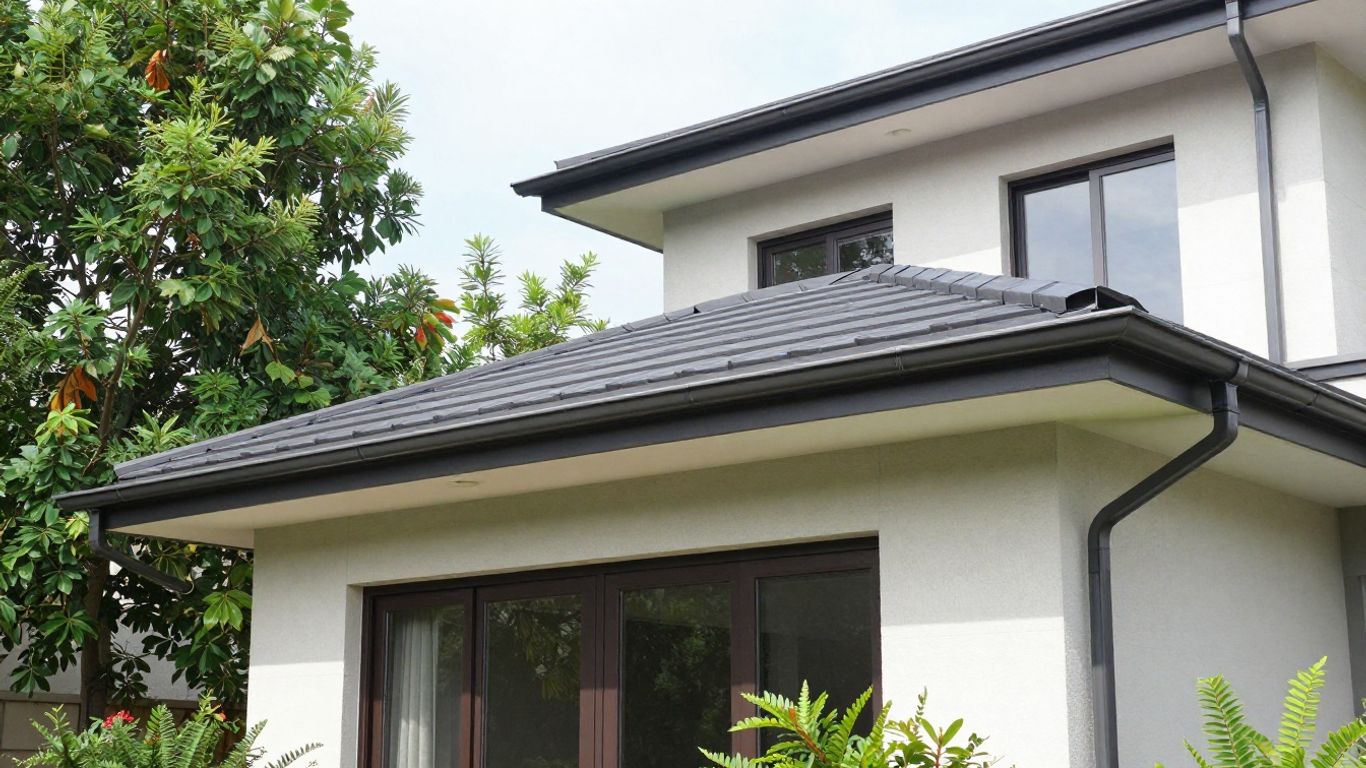
Rain gutters are a vital component of home maintenance, acting as the primary defense against water damage, foundation erosion, and siding rot. Understanding materials, setup, and maintenance ensures long-term home health.
- Professional assessment of your roof layout is critical for effective water diversion.
- Seamless systems prevent leaks by eliminating mid-run joints commonly found in sectional options.
- Proper pitch and drainage calculations prevent common hazards like ice dams and sagging gutters.
- Gutter guards reduce the frequency of manual cleanings, protecting against debris buildup and clogging.
- Regular seasonal inspections and debris clearing are essential for extending the life of your installation.
Understanding different gutter materials and styles
Choosing the right material for your home involves balancing appearance, local climate conditions, and budget. While some options offer superior longevity, others provide a cost-effective route to reliable protection. It is a decision that impacts both the immediate effectiveness of your water management and your home's aesthetic appeal.
Comparing aluminum, copper, and steel durability
Aluminum is the most common choice due to its lightweight nature and inherent resistance to rust. Unlike steel, which can eventually corrode if the finish is compromised, aluminum siding and gutters hold up well across many environments. For those seeking premium longevity, copper gutters develop a unique patina over time and can last for decades, often outliving standard installations. Steel remains a powerful option for areas experiencing significant physical impact, though it requires more diligent monitoring to prevent oxidation over time.
Benefits of seamless versus sectional gutter systems
Seamless gutters are fabricated on-site to match the exact dimensions of your roofline, ensuring a custom fit that minimizes potential leak points. Sectional systems, by contrast, utilize pre-cut lengths joined by connectors that often weaken under stress or temperature fluctuations. By utilizing On Scene Gutters to manage the fabrication process, homeowners avoid the risk of seam degradation, resulting in a cleaner look and superior water flow.
Selecting between K-style and half-round gutter profiles
K-style gutters feature a flat back and a decorative ogee curve on the front, mimicking the appearance of crown molding. They are widely appreciated for their high capacity, which allows them to channel large volumes of water effectively. Half-round gutters present a smoother, tubular aesthetic that is traditionally common on historic or contemporary homes. Choosing between these profiles is largely an aesthetic decision, though capacity remains a factor for properties with heavy runoff expectations.
Aesthetic considerations for your home's exterior
Your gutters act as a frame for your roofline, and selecting a finish that complements your siding is important for curb appeal. Many homeowners opt for colors that blend subtly with the trim to maintain a clean exterior profile. If you are aiming for a classic or modern look, consulting On Scene Gutters can help you decide how material textures and colors interact with your architecture. The visual impact of these systems often goes overlooked until a poor match creates visual clutter.
Assessing your home's drainage requirements
Understanding how water behaves on your property is the first step in successful rain gutter installation. Factors like the steepness of your roof and the average rainfall in your region dictate the necessary system capacity. Failing to map this out correctly can lead to overflow issues and potential structural risk to your foundation.

Calculating the correct gutter size based on roof pitch
Steeper roofs shed water much faster than low-pitch designs, meaning they require larger or more aggressive drainage setups. When the pitch is significant, the velocity of the water can overwhelm standard 5-inch channels, potentially splashing back onto the siding. Understanding volume requirements is key to preventing water from bypassing the system entirely during heavy storms.
Determining the number and placement of downspouts
Downspouts should be distributed strategically to ensure that water is moved away from the foundation efficiently. Placing them too far apart forces the gutter to carry excessive weight, leading to potential structural failure or overflow. We often use a table to help clients visualize how spacing requirements change based on roof length and slope:
| Roof Length | Recommended Downspouts | Spacing Interval |
|---|---|---|
| Under 30ft | 1 | Single End |
| 30ft - 50ft | 2 | Middle/Ends |
| Over 50ft | 3+ | Balanced Distribution |
Properly managing this distance helps maintain the integrity of the brackets and prevents sagging over time. Following these industry standards is the best way to ensure the system handles seasonal loads without straining the mounting hardware.
The importance of proper gutter pitch for water flow
Pitch refers to the slight downward slope needed to encourage gravity to do its job. If a section of the gutter is perfectly horizontal, water will simply pool until it creates heavy debris sludge. On Scene Gutters professionals ensure that every foot of your system is angled precisely toward discharge points, preventing stagnant water from becoming a breeding ground for insects or ice dams in the winter.
Accounting for local rainfall patterns and climate
Different geographic areas pose unique challenges, from the rapid snowmelt of the Northeast to the high-intensity downpours common in the South. Your chosen system must be robust enough to handle the 95th percentile storm event in your specific climate. Being proactive with climate-specific design ensures that you don't face unexpected floods when the weather takes a turn for the worse.
The professional installation process explained
Installing a high-functioning system is more than just hanging metal channels; it requires precision at every connection point. Professionals ensure that the transition between the roof and the gutter is completely sealed to prevent rot. The workflow typically centers on careful alignment and secure fastening to the building structure.
Preparing the fascia boards for secure mounting
Before any hardware is attached, the fascia must be inspected for signs of rot or instability. If the wooden backing cannot support the weight of a full, water-logged gutter system, the installation will eventually fail. Contractors often reinforce or replace damaged fascia to ensure that the hangers have a solid anchor point for the life of the product.
Ensuring accurate measurements for custom seamless runs
Custom fabrication allows for a single, long run of gutter that eliminates corner joints. Measuring these lengths requires specialized equipment, as even a minor error can result in a fit that isn't plumb. This precision is what separates a DIY attempt from a lasting, On Scene Gutters solution that looks integrated into the house architecture.
Techniques for installing hangers and mounting brackets
Strategic placement of hangers prevents the system from twisting under wind or ice loads. Brackets are typically spaced every 24 to 32 inches to ensure uniform support across the entire length of the building. This physical layout dictates the long-term shape of the gutters, as tight spacing resists deformation far better than sparse placement.
Testing the installed system for leaks and proper drainage
Once the run is installed, professionals perform a water test to ensure flow is consistent. By pouring water along the highest point of the run, they can observe if it reaches the downspout without pooling or spilling. This is the ultimate test of the alignment work done during the project.
Critical components of a functional gutter system
While the gutters themselves get the most attention, they are part of a larger, interconnected network. Components like the drip edge ensure that water doesn't sneak behind the back of the gutter and into the fascia. Every piece plays a specific role in keeping your moisture levels managed and away from your foundation.
The role of flashing, drip edge, and gutter aprons
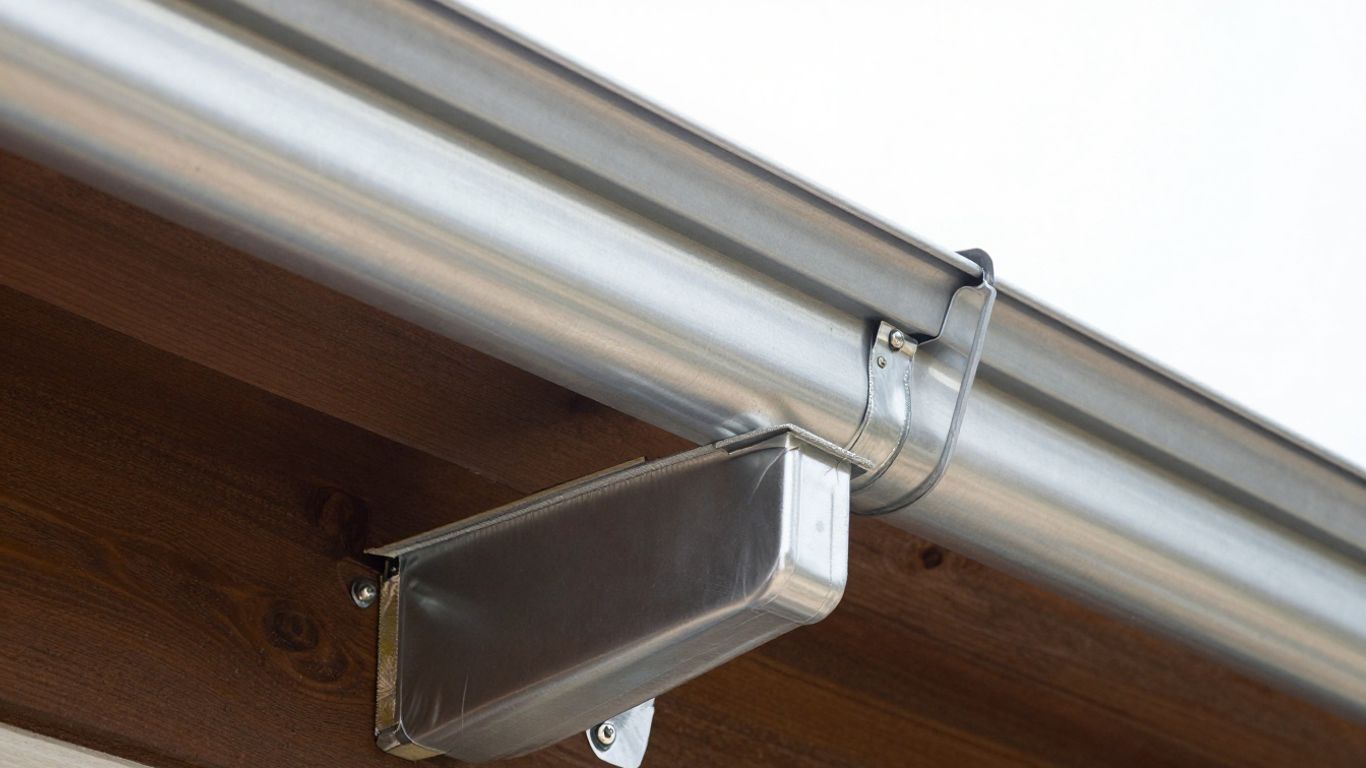
Flashing and drip edge are essential for directing water from the roof shingles directly into the trough. Without these barriers, water can trickle down the vertical trim boards, slowly causing structural degradation. Investing in quality flashing is one of the cheapest insurance policies for your roof and exterior walls.
Choosing appropriate splash blocks and downspout extensions
Downspout extensions are critical for moving discharge far from the building envelope. A downspout that releases water directly against the foundation is one of the most common causes of basement leaks. We recommend the following steps for managing exterior drainage:
- Install an extension that directs water at least four to six feet away from the footer.
- Utilize flexible couplings for easier landscaping navigation.
- Position splash blocks, like stones or concrete pads, at the end of the extension to prevent soil erosion.
- Ensure the ground slopes away from the house structure to further discourage pooling.
These additions are simple to maintain and provide a major boost to your home's overall flood resistance. If you ignore these, even the best seamless installation will still leave your home vulnerable to groundwater pressure.
Utilizing end caps and miters for corner connectivity
Corners are often the trickiest parts of any installation because they require perfect mitering to ensure they don't leak. End caps must be sealed with high-grade weatherproof silicone to prevent slow drips. The quality of this sealant work is the difference between a system that lasts for years and one that marks your siding with streaks after every shower.
Hardware selection to prevent sagging and twisting
Using heavy-duty screws instead of simple nails helps the brackets hold tight even after years of thermal expansion. Nails tend to work themselves loose as the wood fascia breathes with the seasons, but screws retain their grip far longer. Choose stainless steel hardware for every fastening point to ensure that your system stays rigid and aligned regardless of the weather conditions.
Choosing the right gutter guards for your needs
Guards provide a barrier against debris, preventing the buildup that causes overflows. They are not entirely maintenance-free, but they significantly extend the time between mandatory cleanings. Different designs cater to specific types of debris, such as fine pine needles or heavy oak leaves.
Differentiating between screen, filter, and solid cover guards
Screen guards offer a fine mesh that lets water through while blocking large leaves, making them great for general tree cover. Filter systems utilize foam or specialized sponges, though these can require more frequent replacement than metal options. Solid covers rely on surface tension to direct water into the gutter, which is highly effective but requires an exact installation pitch to function properly.
How gutter guards influence future cleaning frequency
For a home surrounded by heavy canopy, guards can reduce cleaning from four times a year to perhaps once. This is a massive labor saver for anyone who finds climbing tall ladders dangerous or intimidating. While the initial investment is higher, guards pay for themselves in reduced labor costs or by preventing expensive debris-related repairs.
Considerations for pine needle or heavy leaf environments
Pine needles are particularly problematic for standard mesh, as they can embed themselves in the openings. In these environments, you need specialized micro-mesh systems that are designed specifically to shed needles. Ignoring your specific tree type during the selection phase is the leading cause of "failed" guard installations.
Weighing material costs against long-term savings
While low-cost guards might seem appealing, they often buckle under the weight of wet leaves or ice. Investing in a thicker, corrosion-resistant mesh provides a better long-term return on investment. Always compare the cost of one professional cleaning against the upfront price of high-quality guards to see your break-even point.
Signs your home needs a gutter replacement
Recognizing failure early can prevent much more expensive structural damage. If you notice signs of pooling, sagging, or rust, it is time to check the health of your installation. Many of these issues are best addressed by a professional who can confirm whether a simple repair or a full replacement is required.
Identifying pulling, sagging, or detached gutter sections
Visible separation between the gutter and the fascia is a major red flag that the mounting hardware has failed. Sagging sections often indicate that the channels are bending under their own weight or that the hangers have snapped. This misalignment prevents proper gravity-fed drainage and causes water to pond in the middle of the run.
Detecting water damage on fascia boards and siding
If you see dark spots, peeling paint, or mold on the wood behind your gutters, water is likely escaping the system. This often points to rusted-through holes or failed seam seals. Repairing the trim is useless if you don't first stop the water leak from the malfunctioning system above it.
Recognizing structural cracks and major rust spots
Small surface rust is manageable, but major corrosion signifies that the metal has reached the end of its life. If you can poke a screwdriver through a soft spot in the metal, it is time to replace the entire segment. Consistent leaks at multiple points along the run usually mean the integrity of the material is completely compromised.
Evaluating basement seepage as a sign of failed drainage
Basement or crawlspace dampness is often the hidden result of poor exterior water management. When your downspouts discharge right against the foundation, that water has to go somewhere. Frequently, it seeps into the basement, causing massive damage over time that stems directly from a gutter system that isn't doing its job.
Maintenance best practices to ensure longevity
Even the best seamless installations need some attention over the years to stay pristine. Establishing a routine helps you identify minor problems before they become significant issues. Simple, safe habits reduce the burden of management and keep your home protected.
Recommended seasonal schedules for clearing debris
Spring and fall are the peak times for maintenance, as tree blooms and autumn leaves threaten to clog your system. A quick mid-season check in the summer is also smart if you live in an area prone to heavy thunderstorms. Keeping this schedule consistent is the easiest way to prevent overflow and protect your wood trim.
(YouTube video)
Using the correct tools to avoid damaging the gutter finish
Never use metal scrapers or stiff-bristled wire brushes that can strip the protective finish or scratch the metal. Using lightweight plastic scoops or garden hoses with a high-pressure nozzle works best for removing gunk without causing damage. If you aren't sure how to handle a specific piece of equipment, it is always best to let the pros handle the clear-out.
Why regular inspections prevent foundation movement
Properly managing runoff prevents the saturation of the soil around your foundation walls. When soil stays wet for too long, it can expand, causing shifting that leads to interior cracks. By ensuring your gutters are clear, you essentially keep the ground around your house stable and dry.
Comparing professional cleaning versus a DIY approach
DIY cleaning is a popular way to save money, but it requires significant equipment and carries risk of injury from ladder usage. Professional services offer a deeper cleaning, flushing, and an inspection of your hangers and seals. While DIY is fine for many, those with multi-story homes or physical limitations should opt for a reputable professional service.
Conclusion
Securing your home with a robust rain gutter system is one of the most effective ways to preserve property value and avoid costly long-term repairs. By understanding the importance of proper materials, accurate drainage calculations, and consistent seasonal maintenance, you ensure that your home remains protected against the elements for years to come. Whether you need a full replacement or just a simple cleaning, prioritizing the health of your water diversion system is an investment in the safety and longevity of your home.
Frequently Asked Questions
How much does new gutter installation cost?
Costs depend on the total linear footage, the height of your home, and the specific materials chosen for the job. You can expect to pay more for custom-fit seamless aluminum systems than for standard sectional vinyl, though seamless varieties provide significantly better long-term value. Asking a contractor for an on-site visit is the only way to get a precise estimate based on your home's unique layout.
How often should my gutters be cleaned?
Most homeowners need to have their gutters cleared at least twice a year during the spring and fall seasons. If your property is heavily shaded by large deciduous or pine trees, you may need additional cleanings to prevent debris from creating clogs that lead to overflow. Staying consistent with this schedule is the best way to safeguard your fascia and foundation from water damage.
How can I tell if my gutters are leaking?
Visible water dripping behind the gutter or streaks on your siding during a light rain are clear indicators of a compromised system. You should also check for water marks on your fascia board, which suggest that the gutter back edge may be failing or that the seal has degraded. If you observe water spilling over the front during a heavy downpour, the system is likely undersized or significantly clogged.
Can I install gutter guards on existing gutters?
Yes, many gutter guard systems are designed to be retrofitted onto pre-existing installations. It is important to confirm that your current gutters are in good shape, properly pitched, and firmly attached before installing guards, as guards should never be used to hide pre-existing structural issues. Choosing a compatible guard type depends on the material of your gutter and the specific tree types in your yard.
What are the main benefits of seamless gutters?
Seamless gutters are preferred because they eliminate the mid-run joints that are traditionally the weakest points in a gutter installation. By fabricating the system on-site as one continuous piece, you reduce the risk of structural failure and leak development over time. They also offer a cleaner, more streamlined appearance that enhances the overall aesthetic value of a residential property.
Why is the gutter pitch so important?
Proper pitch is the precise downward angle that uses gravity to move water toward your downspouts at a steady rate. If a gutter is not pitched correctly, water will sit in the bottom of the channel instead of being discharged, creating ideal conditions for debris accumulation and rust. A well-pitched system remains self-cleaning in most conditions and dramatically reduces the risk of overflow during storms.
What are the dangers of ignoring my gutters?
Neglecting your gutters leads to a cascading series of problems, starting with water spilling over the edge and into the soil around your walls. Over time, this water leads to fascia rot, peeling paint, and eventually, the moisture finds its way into your crawlspace or basement. Once a foundation is compromised by consistent water saturation, the cost of remediation can easily exceed the price of a complete gutter replacement several times over.