Key Takeaways
Understanding the financial landscape of gutter protection helps homeowners make informed decisions for their properties. These five points highlight the core elements of investment and value.
- The total cost is determined primarily by linear footage and architectural complexity.
- Professional installation is mandatory for custom-fit systems, which adds to labor expenses.
- High roof lines and multi-story designs often require additional safety measures during the setup.
- Long-term maintenance savings frequently offset the higher initial expenditure of premium gutter systems.
- Accurate estimates rely on on-site assessments rather than generalized price quotes.
Understanding LeafGuard gutter pricing
Navigating the purchase of a comprehensive drainage system requires clarifying exactly what goes into your final quote. Many homeowners wonder about the total leafguard gutter installation cost, which covers much more than just the material delivered to your door. By working with a professional partner like Water Damage Repair USA, you can ensure that your home is prepared for heavy rain without hidden gaps in your protection strategy.
The components of a professional quote
A professional quote serves as a detailed breakdown of all project requirements, ensuring that no surprises arise during the work phase. It typically covers the removal and disposal of old, existing gutter systems, providing a clean slate for the new installation. Furthermore, the quote factors in the precise fabrication of custom components that are shaped on-site, along with the labor required for certified installers to secure the system to your fascia.
Why custom installation influences price
Because every home features unique dimensions and roof angles, a one-size-fits-all approach is never effective for high-performance drainage. Installers must custom-form the aluminum segments directly at your house to ensure a precise fit that eliminates leaks or sagging points. This level of customization ensures that water flows efficiently without overflowing, though it inherently ties more labor time to the final cost compared to off-the-shelf plastic alternatives.
Factors that define base installation costs
At the most fundamental level, the base cost is dictated by the quality of materials and the specific gauge of aluminum chosen for your climate. Premium, heavy-gauge materials provide structural integrity that lighter metals cannot match, offering better resistance to snow loads or debris buildup. When you research the LeafGuard gutters cost for your property, remember that this base price is a starting point, reflecting the robust materials engineered for long-term use.
Avoiding unrealistic price expectations
It is common to see low-cost estimates online that fail to account for the necessary professional labor or permit fees associated with home improvements. Relying on such figures can lead to frustration when an actual on-site inspection reveals missing scope that is mandatory for a functional, code-compliant system. Always prefer a customized estimate from a qualified professional over a broad guess found on a website.
Key factors influencing installation expenses
Several physical attributes of your property play a decisive role in the final investment required for a professional-grade drainage system. Understanding how these variables manifest as labor or material time helps clarify why two seemingly similar houses might carry different price tags.
Calculating your home's total linear footage
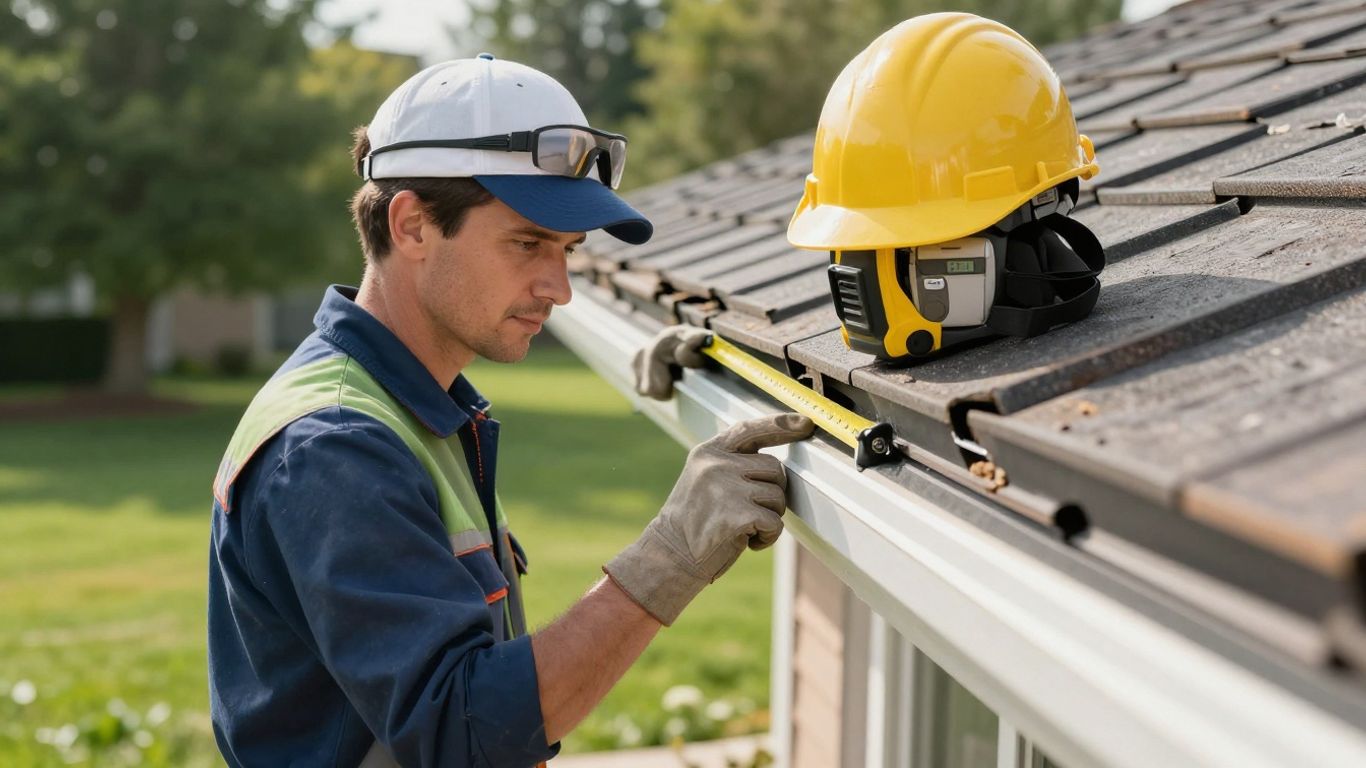
The most direct influence on your project price is the sheer distance that the gutters must cover to wrap around your roofline. Larger homes with extensive footprints naturally require a greater amount of aluminum and corresponding installation time. Measuring your perimeter accurately is the simplest way to anticipate the scale of the job, and it remains the primary unit of measurement for most contractors.
Accounting for roof pitch and architectural complexity
Roof pitch refers to the steepness of your roof, which dictates the safety equipment and time needed to safely navigate the area during the work. Complex architectural elements add further steps. Consider the following variables that can shift final pricing:
| Complexity Factor | Impact on Installation | Labor Sensitivity |
|---|---|---|
| Multiple Slopes | Requires complex mitering | High |
| High Roof Lines | Needs special scaffolding | Moderate |
| Dormers and Valleys | Custom fitting required | Moderate |
When a home has a high volume of inside and outside corners, installers must spend considerably more time fitting pieces together perfecty. List of common challenges include:
- Significant roof pitch that limits movement and requires safety harnesses.
- Multiple valleys that necessitate special joinery and cut patterns.
- Difficult access points where landscaping or tight spacing prevents easy ladder usage.
- Complex corners that demand precise measurement to maintain water flow.
Assessing the condition of your existing fascia and soffits
The underlying frame of your roofing system must be sound to support any new gutter installation. If your fascia boards show signs of rot or instability, they must be addressed before the new system goes up to prevent future failure. While this adds to the immediate project, it is essential for the long-term longevity of your LeafGuard gutter installation cost investment.
Local labor rates and geographic demand
Labor costs fluctuate wildly depending on where you reside and the current demand for trade professionals in your area. Urban centers often have higher hourly rates due to the cost of living, while remote regions might face higher travel fees for installers hauling their custom-forming equipment. It is worth evaluating your budgeting options when you prepare for these regional variations.
How LeafGuard differs from traditional gutter systems
Moving away from older, open-trough systems to a one-piece design like LeafGuard represents a major shift in how a home manages environmental runoff. By integrating the protective hood directly into the structure, the system effectively shields the interior channel from falling leaves and twigs. Providing expert water damage restoration services often highlights how crucial clear channels are for preventing secondary issues like siding rot or soil erosion.
Comparing single-piece vs. multi-component systems
Traditional systems rely on adding separate screens or hoods to existing troughs, which often create points of failure where debris can get lodged in the gaps. In contrast, a one-piece system is extruded from a single block of material, ensuring a seamless barrier. This design philosophy removes the need for recurring maintenance of separate components, which is a significant departure from standard maintenance-heavy solutions.
Evaluating material quality and long-term durability
The high-grade aluminum used in professional systems provides structural rigidity that effectively maintains its shape over decades of temperature shifts. Unlike flimsy vinyl materials that can crack or warp under intense sun exposure, this robust metal holds up against environmental stressors. This durability is the cornerstone of why opting for professional systems proves to be a sensible financial move over time.
Benefits of a debris-shedding hood design
By utilizing specialized engineering, the hood design allows water to adhere to the curved surface while shedding solid debris by gravity. This constant self-cleaning action keeps the trough clear, ensuring that water can always move freely toward your downspouts. This approach is highly effective in areas with dense vegetation where traditional screens might clog within weeks of a storm.
Understanding professional installation necessity
The precision fit required for these systems means they are not suited for standard do-it-yourself projects. Because the heavy-gauge material must be formed to exact specifications in real-time, it requires specialized machinery and training. Protecting your home from future structural issues generally requires this level of expertise from the start.
Financial considerations and budgeting
Investing in your home involves balancing immediate costs with the long-term value, durability, and protection provided by the installation. While the initial total might seem high, the reduction in maintenance effort and prevented water damage should be factored into your evaluation.
Comparing upfront costs to long-term maintenance savings
Comparing the price of a system that essentially cleans itself against the annual recurring fees for manual gutter cleaning shows a clear trend in savings. Over a decade, regular professional cleaning for a traditional open-trough system can eventually approach the cost of a high-quality upgrade. By eliminating recurring service calls, you effectively mitigate long-term operational expenses.
Reviewing available financing options and payment plans
Most reputable installation companies provide flexible payment options that allow homeowners to spread an investment over a longer period. Exploring these routes can make a high-quality installation more accessible, keeping your cash flow manageable while simultaneously upgrading your property. Always check if the company offers transparent financing before signing a contract.
Assessing the impact on property value
Well-maintained drainage systems are a significant asset when it comes time to sell your home, as they suggest to buyers that you have proactively handled water management. Beyond just the look, a functioning system protects siding, foundation, and landscaping, which are critical areas inspected during real estate transactions. This helps maintain market appeal compared to homes with neglected, overflown, or broken gutters.
Understanding warranty protections and coverage
Warranty details vary, but professional systems often come with guarantees that cover both the product integrity and, in many cases, the performance against clogs. Reviewing the fine print is vital because it explains exactly what is protected, such as color finish, material durability, or the functionality of the system itself. This protection effectively reduces the risk homeowners must carry themselves.
Navigating the consultation and estimate process
Setting up an on-site visit is the right way to transition from research to an actual project plan. Meeting a contractor allows for a face-to-face assessment that a simple phone call cannot match.
How to prepare for an on-site professional assessment
Clean up the ground area around your home so the installer can easily place their ladder and reach all necessary roof sections. If you have interior water issues or previous drainage problems, have a list of these symptoms ready to share to ensure the professional can tailor the new system to your specific history. Being organized helps them provide a more accurate evaluation of your needs.
Identifying potential red flags in service quotes
Watch out for quotes that are delivered without an actual visit to your home or those that contain vague line items for basic work. Legitimate installers should always explain the logic behind their pricing, including the expected timeline for completion and any specific cleanup protocols. If a quote seems excessively low, it may indicate a lack of professional quality or the use of lower-cost subgrade materials.
Strategy for comparing multiple contractor estimates
When evaluating competitive estimates, look closely at the scope of work rather than just the total number at the bottom of the page. Ensure that each quote accounts for the same materials, services like old gutter hauling and disposal, and the inclusion of professional testing protocols. Comparing apples to apples is the only way to determine which contractor offers the best value for your specific home.
Important questions to ask your installer before committing
Ask about their process for handling corner miters and how they ensure the slope is optimized for heavy flow rates. Inquire about their standard cleanup process post-installation to verify that your landscaping will be protected from debris. Knowing how they handle potential structural issues with your fascia is another great way to gauge their level of experience and reliability.
Installation scope and home safety
Executing a professional installation involves significant attention to both property safety and technical accuracy. A system is only as good as its placement, and professional teams prioritize security throughout the duration of the work.
Managing challenges of high roof lines and multi-story homes
Working on second or third floors requires specialized safety gear, including harnesses and professional scaffolding rather than just standard extension ladders. Installers are prepared, which keeps your home safe and ensures the team remains in compliance with modern safety requirements for work at height. These safety protocols are a key reason why a professional service is the standard for reliable exterior repair.
Protecting landscaping and property during installation
Professional installers take deliberate steps to avoid damaging nearby shrubs, flowerbeds, or exterior siding. By using ground blankets, careful ladder placement, or protective standoff attachments, they minimize the impact on your landscape. This care is an indicator of a well-organized team that takes pride in the full experience they offer to homeowners.
Proper debris removal and job-site cleanup protocols
A core part of the professional service is the removal of all used materials, debris, and metal scraps left over from the custom-forming process. The goal is to leave your property as orderly as it was upon arrival, ensuring that no stray nails or sharp aluminum shards remain for children or pets. They handle all disposal, which is a major convenience over individual DIY cleanup work.
Ensuring correct drainage and slope alignment for water management
The final angle of the gutter is critical to performance, as a proper slope ensures water moves toward the downspouts without pooling. Professional installers check this using levels to confirm the system is perfectly set for efficient drainage. This technical precision is what prevents the overflow issues that plague poorly installed or DIY systems.
Conclusion
Investing in a professional LeafGuard gutter system is a comprehensive approach to home maintenance that prioritizes performance and durability. While the initial setup requires a significant evaluation of your home’s footprint and complexity, the long-term benefit of a seamless drainage design is peace of mind. By focusing on quality installation and leveraging expert service, you ensure your home stays protected against water hazards for years to come.
Frequently Asked Questions
How often do professional systems need to be cleaned?
The design intention of professional systems is to drastically reduce or eliminate the need for manual cleaning, as the debris-shedding hood design clears away most standard leaf matter over time.
Can I install these systems myself?
These systems require professional custom-forming on-site with specialized machinery, making them a service-heavy option that is not available as a direct-to-consumer DIY kit.
What happens if my roof has a very steep pitch?
Professional installers use specialized safety equipment and techniques to navigate high or steep roofs, ensuring the system is installed correctly regardless of the angle of your rafters.
Does the system interfere with my current roof warranty?
When correctly installed by certified professionals, the hardware is designed to attach to the fascia rather than under the shingles, typically ensuring your existing roofing warranty remains valid.
How do I know if my existing fascia is ready for new gutters?
A professional assessment will include an inspection of the fascia boards to ensure they are rot-free and sturdy enough to support the weight of the new, heavy-gauge system.
Should I be concerned about heavy rainfall performance?
Engineered systems are built to handle high volumes of water by utilizing a wide, smooth channel and optimized flow angles designed to move intense rainfall out quickly.
Is the color finish on these systems durable?
A durable factory finish is baked onto the aluminum during production to resist fading, scratching, and oxidation, maintaining the aesthetic appearance of your home for the long term.