Key Takeaways
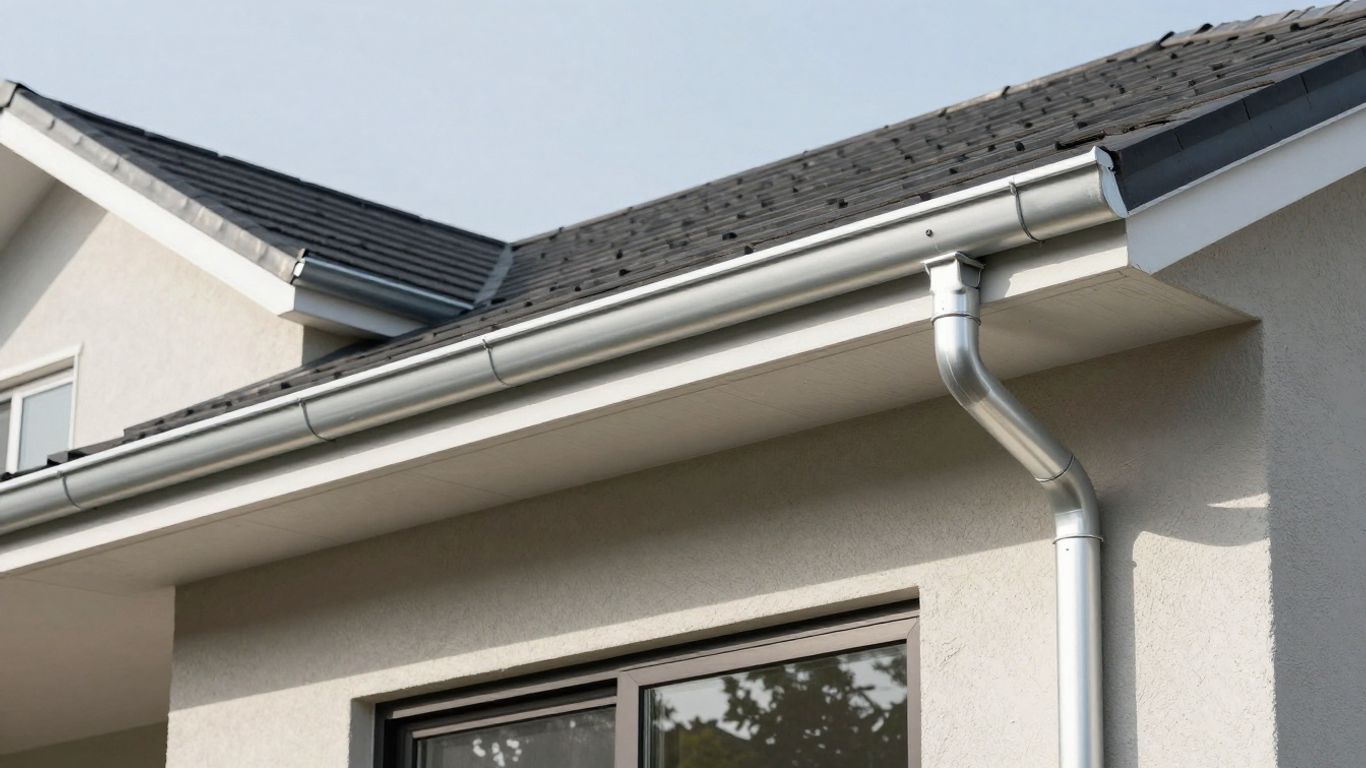
Proper water management is essential for maintaining your home's structural integrity, and hiring the right professionals ensures long-lasting results. Here is what you need to know about the installation process.
- Inspect your current gutters for sagging or detachment after every major storm.
- Always verify licensing and insurance when interviewing local contractors.
- Seamless systems are the preferred industry standard for reducing leak points.
- Budget for unexpected fascia repairs that may be discovered during installation.
- Regular maintenance schedules after installation extend the life of your new system.
Identifying the need for professional installation
Recognizing when your drainage system has reached the end of its life is the first step toward protecting your foundation. If you notice signs of water damage around your home, it serves as a critical indicator that your current system is no longer functioning as intended. Consulting with the team at On Scene Gutters can help you determine whether specialized repairs are possible or if full system replacement is the most cost-effective path forward.
Assessing structural damage to current systems
Structural damage often begins with subtle shifts in your gutter alignment. Over time, heavy rainfall and debris weight can cause the system to bow under stress, leading to standing water that creates significant weight issues for the mounting brackets. When brackets begin pulling away from the fascia, the structural integrity of your gutter line is compromised, often requiring a total system evaluation.
Recognizing signs that repair is no longer sufficient
While routine cleaning helps, there comes a point where damage is too widespread for simple patches. Persistent leaks at existing joints, visible rust spots, or sections that frequently overflow during moderate rain are clear warnings that the materials have fatigued beyond viability. Relying on constant repairs for an aging, sectioned system is often a sign that you should explore professional replacement options.
Understanding the role of proper gutter slope and drainage
For a system to work correctly, every foot of gutter must have a consistent, slight downward pitch toward the downspouts. If the slope is incorrect—too flat or tilted away from the exit—water will pool, encouraging mosquito breeding and creating unnecessary weight. Proper installation ensures that water moves quickly and efficiently away from your siding and foundation, preventing the kind of deep-seated moisture damage that requires extensive rehabilitation.
Vetting local gutter installation contractors
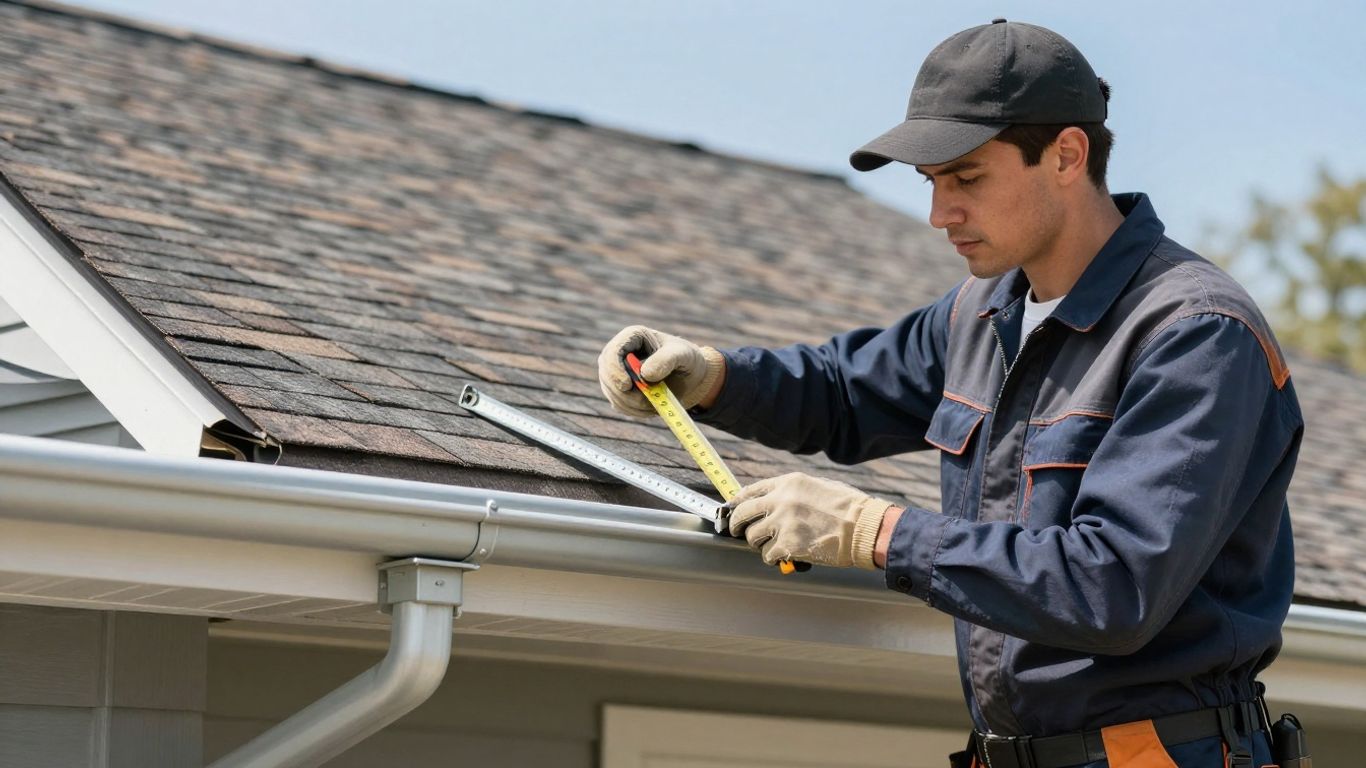
Finding professional gutter installation contractors near me should be a process grounded in research and verification. Because your home is one of your biggest investments, you want to ensure the people working on it adhere to strict standards of professionalism. You can often start your search by looking for providers through the Better Business Bureau to see which local experts maintain high ratings for reliability and service.
Verifying contractor licensing and insurance requirements
Never skip the step of asking for proof of active state or local licensing and adequate liability insurance. These professional requirements are your primary safeguard against potential work-related accidents or subpar craftsmanship. Verifiable credentials ensure that your contractor is accountable and that they possess the training necessary to navigate local building codes.
Checking references and local installation portfolios
Experience matters, and asking to see past work can provide valuable insight into the quality of a contractor’s craftsmanship. A quality contractor should be happy to provide photos of previous installations or even provide references who can speak to their timeliness and cleanliness. This portfolio review helps you gauge whether their past projects match the aesthetic or technical needs of your specific home style.
Evaluating responsiveness and estimated turnaround times
Communication is a strong indicator of how well a project will proceed from start to finish. If a contractor is difficult to reach during the initial bid phase, this often suggests they may be just as unresponsive once the project begins. Look for clear, timely estimates and well-articulated timelines that outline both the start and anticipated end dates for your installation.
Identifying red flags in contractor communication
Be wary of contractors who push for quick, cash-only deals without providing a written contract. Professionalism requires transparency; if they avoid questions about their materials or try to rush the decision-making process, it is a significant concern. Legitimate On Scene Gutters network contractors always prioritize clear documentation, ensuring you understand exactly what you are paying for regarding labor and materials.
Evaluating gutter material options
Choosing the right material ensures your new system survives local climate challenges. Homeowners today typically look for a balance between aesthetics and long-term durability when selecting their gutter components.
Comparing the durability of aluminum versus copper
| Material | Typical Lifespan | Cost Factor | Maintenance Needs |
|---|---|---|---|
| Aluminum | 20-30 Years | Affordable | Moderate |
| Copper | 50+ Years | High | Low (Patina) |
| Steel | 15-20 Years | Moderate | High (Rust) |
Selecting the right material often depends on your budget and your home's architectural requirements. Aluminum is the industry standard for most homes due to its lightweight nature and resistance to rusting, while copper offers a timeless, premium look that ages beautifully over time.
Benefits of seamless gutter systems for leak prevention
Traditional sectional gutters feature multiple seams that are notorious for developing leaks as temperature changes cause the house to expand and contract. Seamless systems are custom-fabricated on-site to fit your home's precise measurements, eliminating nearly all failure points along the run. This approach provides vastly superior protection against the leaks that often damage fascia boards and trim.
Choosing profiles like K-style for modern home exteriors
Profile design isn't just about appearance; it's about how the system integrates with your home's architecture. The K-style profile is highly popular for its decorative front that mimics crown molding, providing a clean appearance that complements most contemporary exteriors. Its shape also offers a high capacity for water flow, making it a functional choice for regions prone to heavy, seasonal storms.
Budgeting for your gutter project
Understanding the cost of your project is essential for avoiding financial surprises. While it is tempting to focus solely on the bottom line, it is important to remember that quality materials and labor provide the best return on investment.
Factors impacting total installation cost estimates
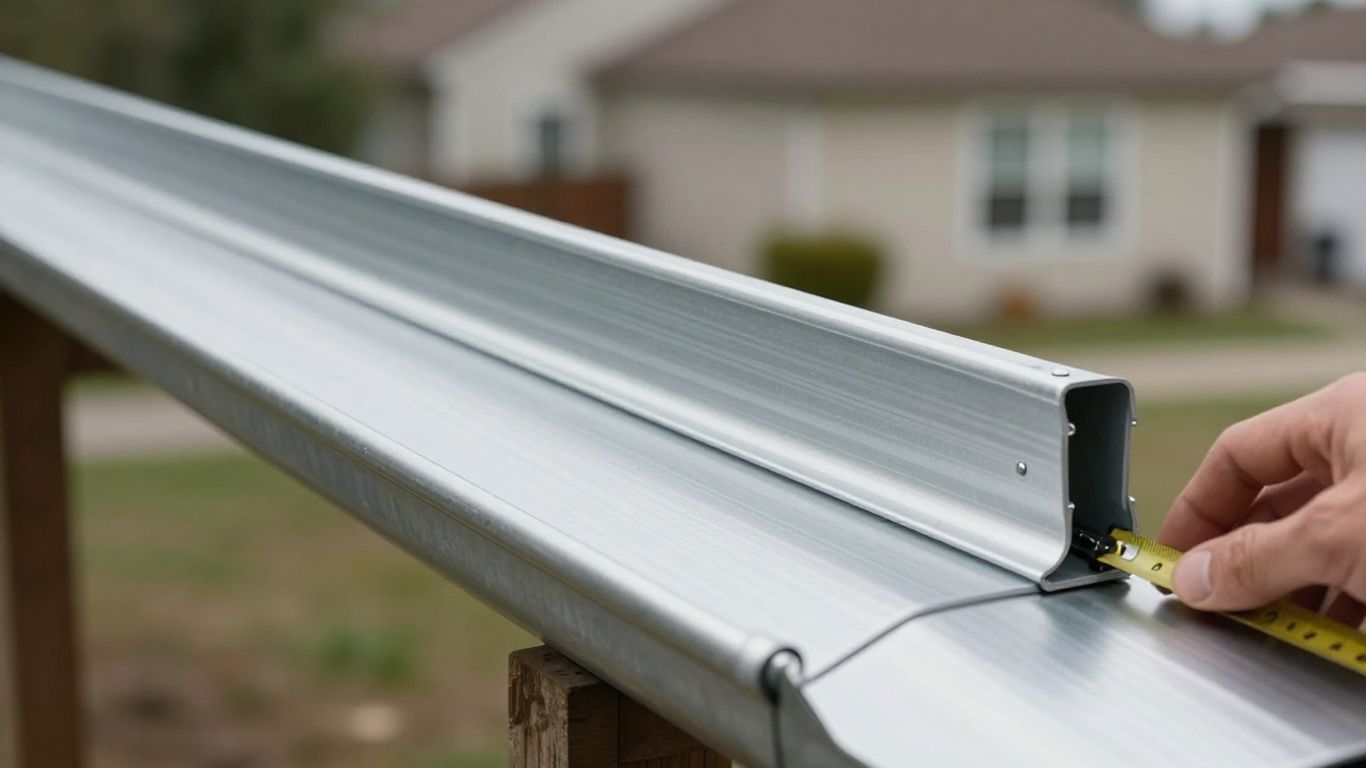
Several variables influence the final price, including the total length of your gutter run and the height of your home. Higher rooflines often require specialized equipment, which can increase labor costs. Additionally, the complexity of your roofline, such as the number of corners or downspout locations, will naturally affect the complexity of the installation and final pricing.
Why an on-site property assessment is necessary for accurate pricing
There is no substitute for a professional eye when it comes to measuring your home's needs. A contractor must perform a site visit to account for drainage challenges, gutter guard integration, and existing roof pitch before providing a quote. Relying on remote or generic estimations often misses vital structural nuances that could lead to unexpected fees later in the process.
Planning for hidden costs like fascia and soffit repairs
During removal of your old system, it is common to find rot or degradation in the underlying fascia and soffit. These areas of your home are hidden until the old gutters are removed, and addressing them is a necessary part of ensuring your new system remains firmly attached. Planning a small emergency buffer in your budget for these repairs ensures that the installation process can continue without pausing for secondary contracting needs.
Coordinating installation and site scheduling
Properly preparing for the day your crew arrives ensures the job moves as safely and efficiently as possible. A little coordination beforehand makes a significant difference in the execution of the install.
Timing your project for optimal weather conditions
Avoid scheduling installations during the heart of rainy seasons if your home requires significant fascia repair work. Dry, temperate days are ideal, as installers can focus on precision sealing at joints without the interference of rain or extreme cold. Choosing a calm weather window ensures that your home remains dry throughout the transition.
Preparing your home exterior before the crew arrives
Efficiency on installation day usually requires a clean and accessible work area. To help your On Scene Gutters installation team get to work immediately:
- Clear your driveway of vehicles to provide space for equipment.
- Trim back any low-hanging tree branches that currently block access to the roofline.
- Move potted plants or lawn furniture away from the house base.
- Ensure all pets and children are kept clearly inside for safety reasons.
Ensuring property protection during removal and installation
Professional contractors take precautions to protect your garden and siding during the removal of heavy, old gutters. Ask your contractor about their specific site protection steps, such as covering landscaping with tarps or using ladder stabilizers that minimize contact with your roof shingles. This attention to detail prevents accidental damage to your property exterior.
Post-installation inspection and ongoing care
After the team finishes, perform a walkthrough to verify that every detail meets your expectations before they depart.
Verifying proper downspout discharge and drainage functionality
Observe how water moves during the first rainfall after the installation. Ensure that downspout extensions are directing water at least several feet away from the foundation and that there is no pooling occurring near the home base. Effective discharge is the final piece of the water management puzzle and signifies a successful project installation.
Checking for signs of leaks or improper sealing at joints
Even with seamless systems, the connection points at the downspouts or corner miters should be inspected. A quick look after a moderate rain will show if the sealant is watertight. If you notice any weeping, contact the installer promptly, as these minor adjustments are often covered under initial craft warranties.
Establishing a preventative maintenance schedule to protect your investment
Even the best gutters need routine care. Establishing a twice-yearly cleaning schedule—ideally in spring and fall—will prevent debris from building up and causing clogs that lead to overflow. Using this opportunity to inspect the hangers and brackets for any loosened hardware will preserve the performance of your system for many years to come.
Conclusion
Investing in professional gutter installation is one of the most reliable ways to shield your home from the damaging effects of water buildup. By vetting qualified contractors, choosing durable materials, and maintaining your new system, you can enjoy years of worry-free home protection and improved curb appeal.
Frequently Asked Questions
How much does new gutter installation usually cost?
Costs vary based on your home size, the chosen material, and the complexity of the job. Because factors like roof height and fascia condition fluctuate from home to home, you should always request a detailed, on-site assessment for an accurate price projection.
Why should I choose seamless gutters over sectional ones?
Seamless gutters are custom-measured and formed to fit your roof line exactly, which eliminates the frequent seams found in sectional systems. This reduction in weak points helps prevent the leaks that eventually lead to rot and structural damage at the foundation or fascia.
How often is professional gutter cleaning necessary?
Setting a schedule for twice-a-year cleanings is standard practice for most homeowners. If your roof is heavily covered by trees, you may need more frequent care to ensure that small debris does not build up and block proper water flow.
Can I install gutter guards on my new system?
Yes, installing guards on your new gutters can be a proactive step in minimizing maintenance. While they do not make a system completely maintenance-free, they help significantly decrease the frequency of clogs from leaves and pine needles.
What are the main signs that I need new gutters?
Look for peeling paint on siding, cracks in your foundation, or water stains underneath the gutter line. These are often indications that moisture is escaping the system and reaching parts of your home where it shouldn't be.
Is it possible to repair gutters instead of replacing them?
If the damage is limited to one small section or loose bracket, repair is often an excellent, budget-friendly solution. However, if you see rust, extensive sagging, or multiple leaks throughout the house, replacement is usually the faster and safer strategy.
How quickly can a gutter installation be completed?
For most standard residential projects, a professional team can remove your old system and install custom seamless gutters within a single day. The exact timing can vary slightly depending on the size of your home and whether you require additional fascia repair work.