Key Takeaways
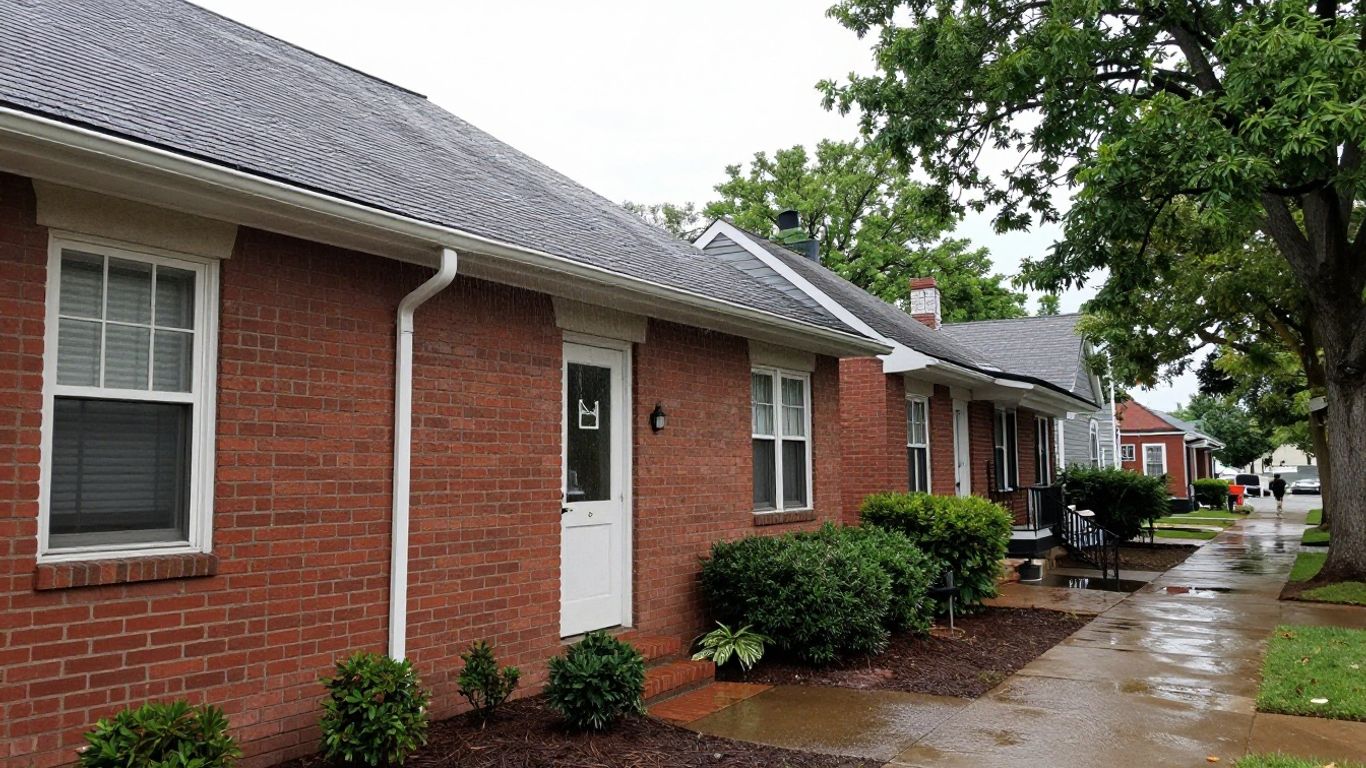
A reliable gutter system moves rainwater away from the roof, walls, and foundation. In Baltimore, regular inspections matter because heavy rain, falling leaves, ice, and freeze-thaw cycles can turn a small defect into expensive water damage.
- Check seams, corners, hangers, slope, and downspouts when inspecting gutters.
- Repair isolated leaks or loose sections when the surrounding system remains sound.
- Consider replacement when gutters are widely damaged, badly corroded, or repeatedly failing.
- Treat storm damage as a safety issue before attempting any temporary fix.
- Choose a contractor who provides a clear scope of work and written estimate.
Understanding common gutter problems in Baltimore homes
Baltimore homes face a mix of intense summer rain, leafy fall conditions, and winter freezes. Those changes expose weak joints, loose fasteners, and poor drainage quickly. If you are searching for gutter repair baltimore services, first identify where water is escaping and whether the problem is isolated or part of a larger pattern.
Leaks at seams, corners, and end caps
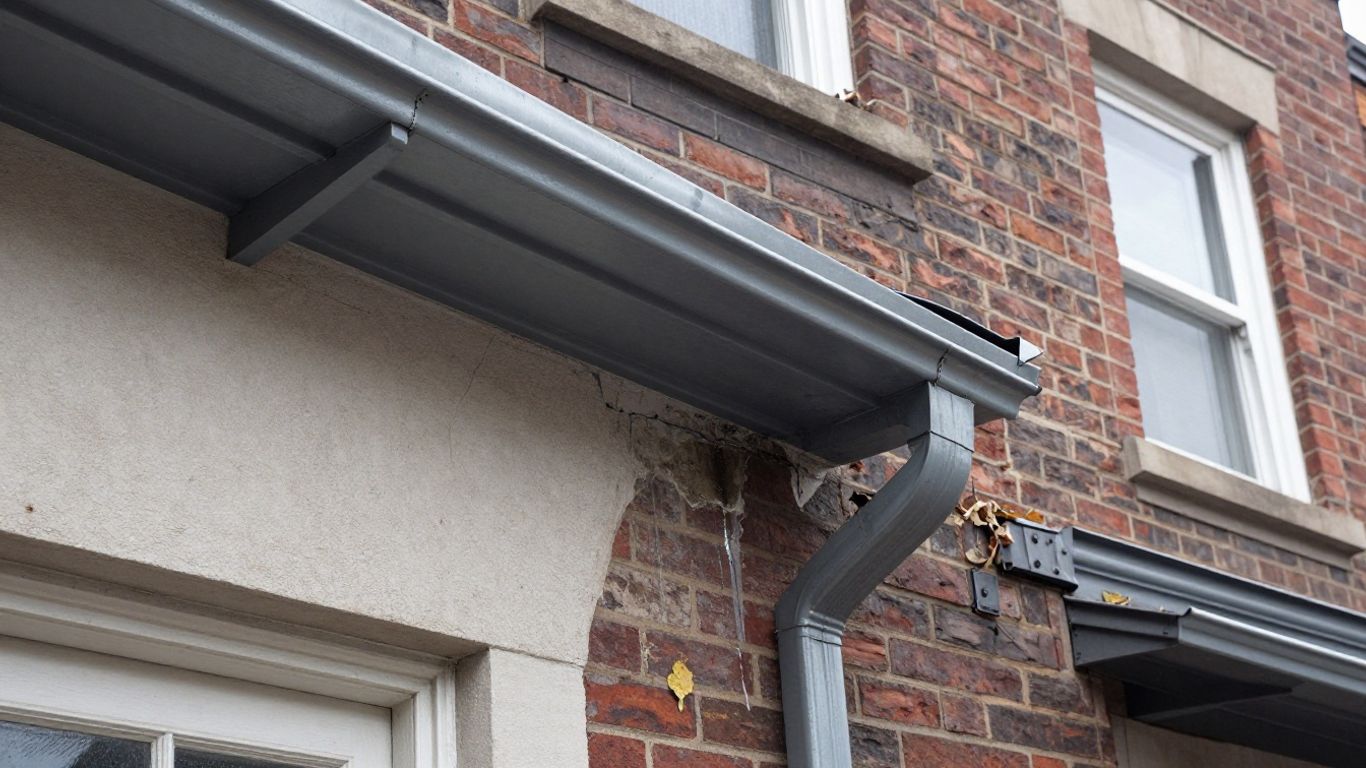
Seams and end caps are common leak points, especially on sectional gutters. Look for dark streaks below a joint, damp fascia, or a small drip that appears even when the rest of the run is clear. A professional may clean and dry the area, reseal the joint, or replace the damaged fitting rather than removing an entire run.
Leaks can also hide behind the gutter apron or at an inside corner. Do not assume a small drip is harmless; repeated wetting can stain siding and weaken wood near the roof edge. The Baltimore gutter repair service page describes repairs such as sealing cracks, realigning gutters, clearing blockages, and repairing downspouts.
Gutters pulling away from fascia boards
A gutter that tilts outward or separates from the fascia is usually carrying too much weight or has lost secure attachment. Leaves, standing water, rusted fasteners, and saturated wood can all contribute. The gap may be subtle from the ground, but water can spill behind the gutter during the next storm.
A contractor should examine the hangers, fascia, roof edge, and nearby joints before simply driving in new screws. If the mounting surface is soft, the repair may require fascia work before the gutter can be safely reattached.
Sagging sections caused by poor slope or loose hangers
Gutters need a slight, consistent pitch toward their downspouts. A sagging middle section creates a low spot where water and debris collect, even when the gutter itself has no hole. Loose hangers or an incorrectly spaced support system can make the sag worse over time.
Realignment may solve a localized problem if the metal is still straight and the fascia is sound. If the run has become permanently distorted, replacing that section is often more dependable than forcing it back into shape.
Overflowing gutters during heavy Maryland rain
Overflow does not always mean the gutter is too small. A blocked downspout, compacted leaves, poor pitch, or a roof valley directing a large volume of water into one spot can produce the same symptom. Watch where the overflow begins, then inspect the nearest outlet and downspout.
Water pouring over the front edge can erode soil, soak siding, and collect near the foundation. Prompt diagnosis limits damage because it addresses the cause instead of repeatedly cleaning up the same puddle.
How to tell whether your gutters need repair or replacement
The choice between repair and replacement depends on the condition of the whole drainage system, not just the most visible hole. A single failed seam is different from several rusted runs, loose corners, and damaged fascia. Take photographs from the ground, but use a professional inspection for roof-edge conditions that cannot be seen safely.
Damage that can usually be repaired
Small holes, open seams, loose end caps, and a detached downspout connection are often repairable when the surrounding metal remains firm. A contractor may seal a joint, replace a short section, add hangers, or correct the pitch. Clearing a clog may also restore performance without any gutter replacement.
The key question is whether the repair will hold under normal water and debris loads. If the metal is not brittle or deeply corroded, targeted work can preserve a serviceable system and avoid unnecessary replacement.
Signs the gutter system is beyond repair
Replacement becomes more likely when damage appears in many places or when the gutter material has lost its shape. Long splits, extensive corrosion, repeated separation, and crushed runs are warning signs. Gutters that continue overflowing after cleaning and realignment may also be poorly matched to the roof drainage needs.
Use this comparison as a starting point, not a substitute for an on-site assessment:
| Condition | Likely approach | What to inspect | Warning sign |
|---|---|---|---|
| One leaking seam | Reseal or replace fitting | Joint and nearby metal | Leak returns quickly |
| Short detached section | Reattach or replace section | Hangers and fascia | Mounting wood is soft |
| Several sagging runs | Realign or replace affected runs | Overall pitch | Water remains after cleaning |
| Widespread corrosion | Consider replacement | Entire system and outlets | Holes appear in multiple areas |
This framework helps separate a manageable defect from a system-wide failure. A written recommendation should explain why repair is reasonable or why replacement is the safer long-term choice.
When fascia and soffit damage is involved
Gutter trouble can be both a cause and a symptom of fascia or soffit damage. Water behind a loose gutter may soften the fascia, while a failing roof edge may prevent new hangers from holding securely. Peeling paint, staining, soft wood, or visible gaps deserve attention before the gutter is reinstalled.
Ask whether the estimate includes coordination for fascia and soffit repair. The gutter should not be treated as fixed if the surface supporting it is still compromised.
How gutter age and material affect the decision
Material, exposure, installation quality, and maintenance all affect service life. Aluminum is common and relatively light, while steel, copper, and vinyl have different strengths, appearance, and failure patterns. A professional can compare the condition of existing material with the cost and disruption of replacing only selected runs.
If replacement is appropriate, seamless gutter service may be worth discussing because seamless systems reduce the number of mid-run joints. The decision should still account for the home’s roofline, downspouts, fascia, and drainage path.
What to do when a storm damages your gutters
Wind, hail, falling branches, and intense rain can damage more than the visible gutter edge. A hanging section may be pulling on the fascia, and a blocked downspout may be sending water toward the foundation. Work from the ground first and arrange an inspection before climbing or attempting structural repairs.
Immediate safety steps after wind or hail
Keep clear of sections that are dangling, twisted, or resting on power lines. Do not stand beneath a damaged roof edge or use a ladder on wet ground. If a branch is touching electrical equipment, leave it alone and contact the appropriate utility or emergency service.
From a safe distance, photograph the damage and note when the storm occurred. A gutter contractor can assess whether the system needs temporary stabilization, storm damage gutter repair, or replacement.
Temporary ways to control water runoff
Temporary measures are meant to reduce immediate exposure, not serve as a permanent repair. If it can be done safely from the ground, move movable items away from the discharge area and use a temporary downspout extension to direct water farther from the foundation. Never force a deformed gutter back into place while it is still attached to damaged fascia.
For a short-term response, homeowners can focus on four practical steps:
- Keep people away from hanging metal and unstable ladders.
- Clear only loose debris that is reachable without climbing.
- Redirect water away from doors, walkways, and foundation walls.
- Arrange an inspection before the next major rain event.
These actions reduce immediate pooling while preserving evidence of the original damage. Stop if the repair requires roof access, electrical clearance, or work on unstable materials.
When emergency gutter repair is necessary
Call for prompt service when a gutter has fallen, blocks an entrance, exposes sharp metal, or sends stormwater directly against the foundation. Emergency attention is also sensible when water is entering the home or when a damaged section could fall onto people, vehicles, or landscaping.
The goal is to make the property safe and control water until a complete repair can be made. Do not let urgency push you into an unsafe ladder repair.
What to document for an insurance claim
Take wide and close photographs before cleanup when it is safe. Record the date, approximate time, visible damage, fallen branches, interior water intrusion, and any temporary steps taken. Keep invoices, inspection notes, and written estimates together.
Insurance coverage varies by policy and cause of loss, so avoid assuming that every gutter problem qualifies. Ask the insurer what documentation it needs and do not discard damaged components until it provides guidance.
How Baltimore weather affects gutter performance
Baltimore’s seasonal shifts place different demands on the same gutter system. Spring storms test flow capacity, autumn leaves restrict outlets, and winter freezing can turn trapped water into expanding ice. A seasonal inspection makes it easier to catch small changes before they become roof-edge or foundation problems.
Heavy rain and downspout overflow
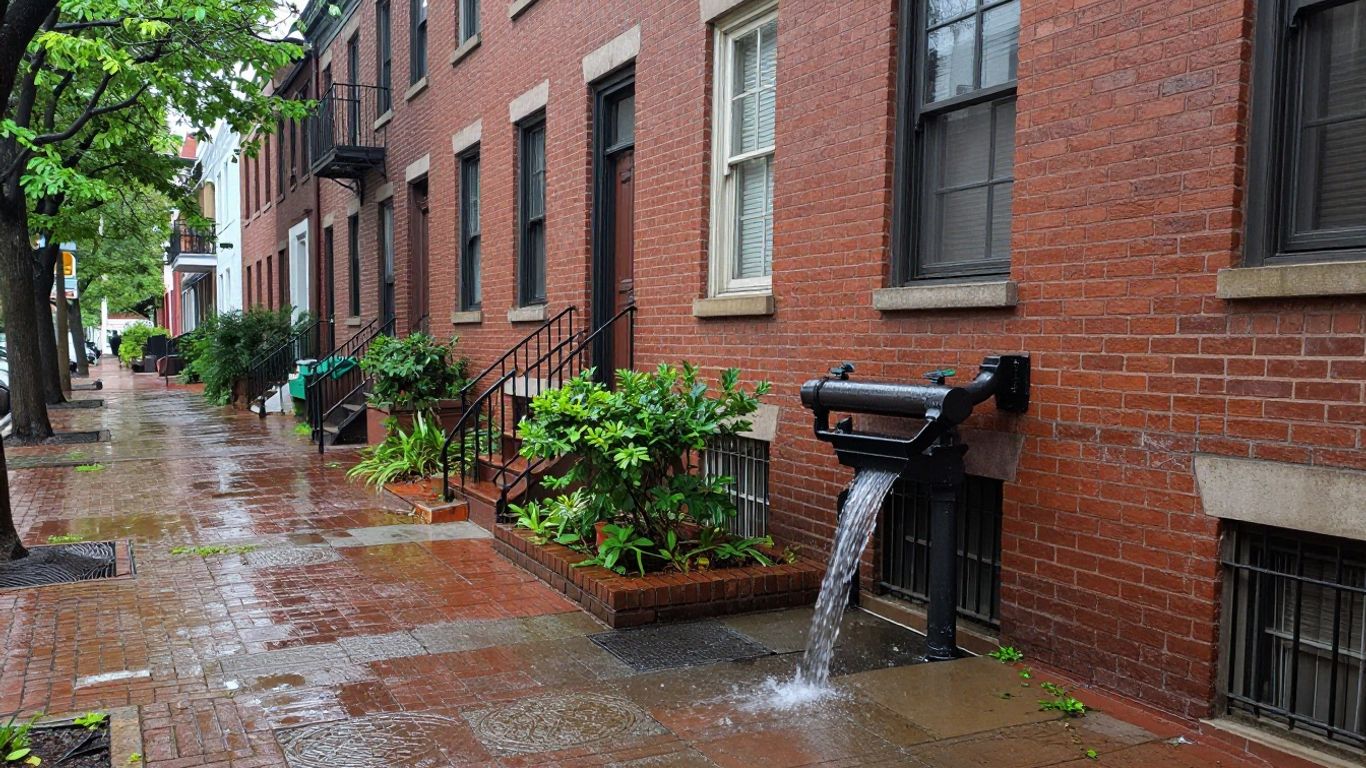
Short, heavy rain can overwhelm a gutter when outlets are blocked or downspouts are undersized for the roof area. Overflow at one corner often points to a localized restriction, while overflow along an entire run may indicate poor pitch or a capacity issue.
Check the bottom of each downspout after rain. Water should discharge away from the home rather than collecting beside the foundation. Extensions, splash control, or drainage adjustments may be needed where soil remains saturated.
Fall leaves and winter ice buildup
Leaves can form a dense mat over the gutter opening and pack into downspouts. When temperatures drop, trapped moisture freezes and adds weight to the system. Homes beneath mature trees often need more frequent attention than the usual spring-and-fall cleaning schedule.
Do not chip ice with sharp tools or pull on a frozen gutter. Those actions can dent the metal or loosen the hangers. A professional can remove debris and check for damage once conditions are safe.
Snow, freezing temperatures, and expanding cracks
Freeze-thaw cycles are hard on seams, end caps, and small cracks. Water enters a defect, freezes, expands, and then leaves the opening slightly larger after thawing. Repeated cycles can also expose weaknesses around fasteners and downspout connections.
Inspect for fresh splits, displaced elbows, and staining below joints after a cold spell. Sealants are not a solution for every crack, particularly when the surrounding metal is brittle or misshapen.
Spring inspections after storms and thawing
Spring is a useful time to check the entire roof edge after winter weather has passed. Look for loose hangers, separated seams, damaged extensions, and soil washout near discharge points. Also check inside basements or crawl spaces for dampness that may indicate poor drainage.
A simple inspection can lead to cleaning, a small repair, or a more complete drainage plan. Addressing the issue before the next cycle of heavy rain is usually easier than waiting for visible interior damage.
How professional gutter repair in Baltimore works
A professional repair should begin with diagnosis rather than a quick patch. The contractor needs to understand how the roof, gutter, downspouts, fascia, and surrounding grade work together. That broader view helps prevent a repaired section from simply passing water into a different problem area.
Inspecting gutters, downspouts, and roof edges
The inspection typically follows the water path from the roof edge to the discharge point. The contractor looks for leaks, clogs, sagging, detached sections, damaged elbows, loose fasteners, and signs of water behind the gutter. Roof valleys and fascia are also relevant because they can concentrate runoff or undermine attachment.
Ask for photographs or a plain-language explanation of findings. You should know which defects are urgent, which can wait, and whether the recommendation addresses the cause of overflow.
Correcting slope, hangers, and loose fasteners
A repair may involve resetting a section so water flows toward the outlet, adding or replacing hangers, and securing loose fasteners. The mounting surface must be checked first. New hardware will not solve a soft or deteriorated fascia board.
The finished run should be stable and free of low spots. A contractor should also confirm that connections remain aligned when the gutter is loaded with normal rainwater and debris.
Sealing leaks and replacing damaged sections
Clean, dry surfaces are needed for a durable seal at a seam or end cap. If a section is split, crushed, or badly corroded, replacing that portion may be more appropriate than applying repeated sealant. Matching the profile and material helps keep the repair functional and visually consistent.
OnScene Gutters connects property owners with contractors offering gutter repair, replacement, installation, and maintenance through a nationwide network. Those documented services fit different repair scopes, but the contractor should still explain the specific work proposed for your Baltimore property.
Improving downspout extensions and drainage
A sound gutter can still cause trouble if its downspout releases water beside the foundation. Contractors may repair the downspout, add an extension, or adjust the discharge route to improve drainage. The best option depends on grading, walkways, landscaping, and where water can safely disperse.
Confirm that the extension will remain connected and accessible for cleaning. If water continues pooling after the gutter repair, the drainage path needs another look rather than another patch at the roofline.
How to choose a Baltimore gutter repair company
The right company should make the problem easier to understand, not more confusing. Look for a clear inspection, a defined scope of work, and practical communication about safety and timing. Avoid accepting a replacement recommendation without asking what repair alternatives were considered.
Questions to ask before scheduling service
Ask whether the company repairs individual sections, downspouts, fascia, and soffits, or only installs new systems. Confirm who will inspect the roof edge, how storm damage is documented, and whether the estimate includes cleanup. It is also useful to ask what conditions could change the quoted scope.
For broader home planning, a bathroom remodel guide offers a useful reminder that material condition, hidden water damage, and construction scope should be assessed before work begins. The same habit applies here, even though the projects differ.
Checking licensing, insurance, and local experience
Request proof of the insurance coverage required for the work and ask whether the crew has experience with Baltimore’s older homes, rowhouses, steep rooflines, or winter conditions. Verify the business identity and service address rather than relying only on a polished website.
A local inspection should account for the property’s actual roof drainage and grade. A generic recommendation may miss a valley discharge, narrow side yard, or fascia condition that changes the repair.
Comparing estimates and repair recommendations
Compare estimates by scope, not just by total price. One quote may include cleaning, downspout extensions, and fascia preparation while another covers only a replacement section. Check the material, number of sections, fasteners, sealant, disposal, and any exclusions.
A useful estimate should make these differences visible. If two contractors recommend different solutions, ask each one to explain the observed condition and the expected service role of the proposed work.
When to request a written warranty
Ask whether workmanship or replacement components carry a written warranty, what it covers, and how exclusions apply. A warranty should identify the responsible party and the process for reporting a problem. It should not replace a clear description of the original repair.
OnScene Gutters provides access to contractors for Baltimore gutter replacement, including seamless installation options. If replacement is recommended, request the written scope, material details, and warranty terms before approving the work.
For additional background when comparing local providers, a Maryland gutter services directory can help homeowners review available service categories. Treat any directory listing as a starting point and verify credentials directly.
Conclusion
Gutter problems are easier to manage when they are inspected early and matched with the right level of work. In Baltimore, seasonal rain, leaves, ice, and freeze-thaw cycles make routine checks especially useful. Whether the answer is a sealed seam, a corrected downspout, or a full replacement, choose a repair plan that protects the roof edge and moves water safely away from the home.
Frequently Asked Questions
How often should Baltimore gutters be cleaned?
Twice a year, usually in spring and fall, is common guidance. Homes beneath heavy tree cover may need additional cleanings when leaves and needles accumulate.
Can a leaking gutter seam be repaired?
Often, yes. A clean, accessible seam may be resealed or fitted with a replacement connector, but repeated leaks or surrounding corrosion may point to a larger replacement need.
Why are my gutters overflowing during heavy rain?
Common causes include clogged downspouts, poor slope, roof valleys concentrating runoff, inadequate outlets, and blocked gutter channels. The location of the overflow helps identify the likely cause.
Should I repair or replace sagging gutters?
A short sag may be corrected with new hangers or realignment if the metal and fascia are sound. Widespread sagging, cracks, corrosion, or repeated failure usually deserves a replacement assessment.
What should I do if a gutter falls off during a storm?
Keep people away from the fallen or hanging section, avoid ladders on wet ground, and photograph the damage from a safe location. Arrange professional service if the gutter blocks access or directs water toward the home.
How far should downspouts discharge from a foundation?
They should release water far enough away to prevent immediate pooling beside the foundation. The appropriate distance depends on grading, soil, landscaping, and whether another drainage solution is present.
Does a gutter repair need a written warranty?
A written warranty is helpful because it explains what workmanship or materials are covered and how to request service. Read its exclusions and keep it with the estimate and invoice.