Key Takeaways
Gutter installation costs depend on more than the price of the gutter itself. Material, linear footage, roof access, drainage, and local labor all shape the final estimate.
- Aluminum and seamless systems are common choices for residential projects.
- A larger or taller home usually requires more labor, equipment, and materials.
- Downspouts and discharge routes deserve as much attention as the gutters.
- Gutter guards reduce cleaning frequency but do not eliminate maintenance.
- A detailed, on-site quote is more useful than a low number with missing items.
Understanding typical gutter installation costs
Gutter installation costs vary widely across the United States. A small, simple roof may need only a modest installation, while a large home with several rooflines, multiple levels, and drainage work can cost several times more. The most reliable estimate comes from measuring the property rather than relying on a national average.
Average cost ranges for residential projects
Many residential projects fall somewhere between about $1,000 and $6,000, although unusually small or complex jobs can sit outside that range. Material, home height, removal, and downspout work account for much of the variation. The 2026 gutter cost guide is useful for comparing the same cost categories before requesting estimates.
A national figure is best treated as a starting point, not a promise. For a practical budget, ask contractors to separate materials, labor, disposal, drainage, and optional accessories.
How linear footage affects the total
Contractors usually begin by measuring the total length of gutter runs and then adding the number and length of downspouts. More footage means more material, hangers, end caps, outlets, and labor. Complex corners and transitions can add time even when the overall roof is not especially large.
Ask whether the quote is priced by linear foot or as a complete project. Either approach can be fair, but a complete proposal should still show enough detail for you to understand what is included.
Cost differences between replacement and new installation
A replacement may cost more than a simple new installation because the old system must be detached, hauled away, and inspected for hidden damage. New construction can also require careful coordination with roofing, siding, and fascia work. If the existing gutters are still sound, selective repair may cost less than replacing every run.
The right comparison is not only the first invoice. A system that repeatedly leaks at old joints or pulls away from damaged fascia may create repair costs that make full replacement more sensible.
Why local labor rates can change your estimate
Labor rates reflect local demand, travel time, insurance, equipment, and the difficulty of working in a particular area. A dense urban property may have access challenges, while a rural project may include additional travel. Seasonal demand after storms can also affect scheduling and pricing.
Get at least two or three written estimates when possible. Compare the scope of work, not just the total, because a cheaper quote may omit removal, repairs, or downspout extensions.
Comparing gutter materials and styles
Material selection affects appearance, durability, maintenance, and the initial budget. Aluminum is widely used because it is light and available in many colors, while vinyl is attractive for basic low-cost projects. Steel and copper can cost more, but they may suit homes where strength or architectural character matters.
A profile changes the look and sometimes the capacity of the system. Consider the roof area, local rainfall, exterior design, and how much maintenance you are prepared to handle before choosing a material or shape.
Aluminum gutters as the common budget-friendly option
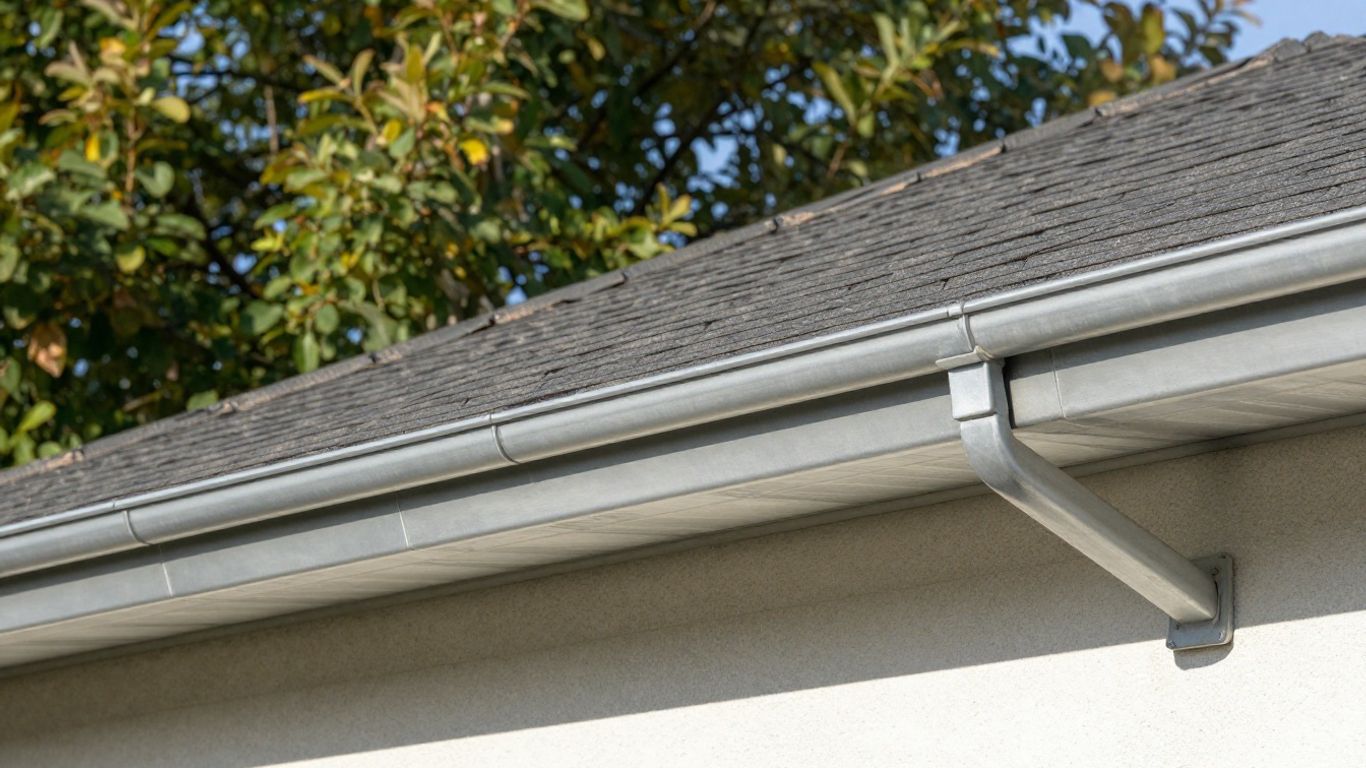
Aluminum gutters are a common residential choice because they are lightweight, rust-resistant, and available in many finishes. They work well for many standard homes and are often available as seamless gutters formed on site. Dents from ladders or falling branches are a consideration in exposed locations.
For many homeowners, the best value is a properly sized aluminum system with sound hangers and carefully placed downspouts. The installation quality matters as much as the metal.
Vinyl gutters for low-cost installations
Vinyl gutters can keep the material budget low and are relatively easy to handle. They do not rust, but prolonged sun exposure, severe cold, or impact can make them brittle or cause distortion. Sectional joints also need careful assembly and inspection.
Vinyl can make sense for a small, straightforward roof or a temporary improvement. It may be less suitable where severe weather or a long service life is the main priority.
Steel gutters for strength and weather resistance
Steel gutters offer more rigidity than many lightweight alternatives and can suit properties exposed to wind, snow, or falling branches. Their weight can require stronger support, and finishes should be inspected for scratches or early rust. Galvanized or coated steel still benefits from routine maintenance.
A contractor should explain how the proposed hangers attach to the fascia and whether the roof edge can support the system. That detail is especially important on older homes.
Copper gutters for premium homes and long-term value
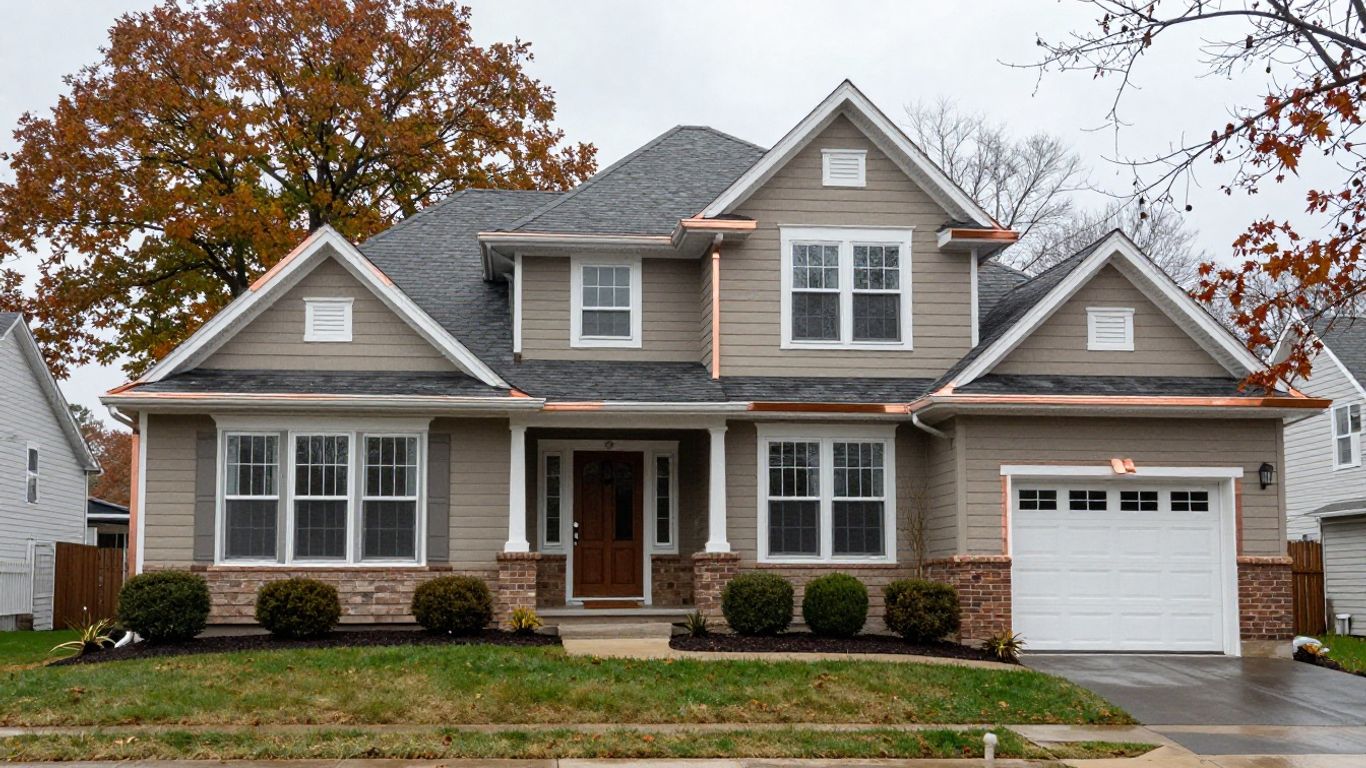
Copper gutters are a premium choice with a distinctive appearance that changes as the surface develops a patina. They can complement historic homes and high-end exterior materials, but both the material and skilled installation cost more. Mixing copper with incompatible metals can create corrosion concerns.
Choose copper for its appearance and long-term design fit, not simply because it is expensive. The quote should specify downspout material, fasteners, finish expectations, and how the system will be protected during other construction.
K-style versus half-round gutter profiles
K-style gutters have a decorative ogee front and are the most common residential profile. Half-round gutters have a curved interior and a more traditional appearance, often pairing well with older or architecturally detailed homes. Brackets, outlets, and downspouts must match the selected profile.
Neither shape automatically solves drainage problems. Proper slope, sufficient capacity, and a clear discharge route matter more than appearance alone.
The main factors that raise or lower your price
Two homes with similar floor areas can receive very different estimates. Roof height, pitch, access, corners, existing damage, and the condition of the roof edge all affect the work. A careful quote accounts for the whole water-management system rather than treating the gutter as an isolated strip of metal.
Before comparing bids, walk around the house during or after rain if it is safe. Overflow marks, damp soil, staining, and water collecting near corners can help identify where the design needs more than a basic replacement.
Single-story and two-story installation costs
Two-story work generally costs more because crews need taller ladders, lifts, additional safety measures, and more time to move materials. A single-story home is often easier to access, but steep slopes or landscaping can remove that advantage. The number of roof levels matters as much as the number of stories.
Do not choose a contractor based on a willingness to skip safe access equipment. Falls are a serious risk, and homeowners should avoid climbing onto roofs or handling tall ladders without proper training.
Seamless gutters versus sectional systems
Seamless gutters are roll-formed on site in continuous runs, so they have fewer mid-run joints than sectional systems. Fewer joints can mean fewer potential leak points, though corners, outlets, and end caps still need careful sealing. Sectional gutters may have a lower initial material cost and can be convenient for small repairs.
The best choice depends on roof layout, budget, appearance, and the contractor's workmanship. Make sure the estimate identifies which runs are seamless and where unavoidable joints will remain.
Roof complexity, access, and removal requirements
Multiple valleys, dormers, turrets, tight corners, and steep roof sections increase measuring and installation time. Limited access behind a garage or over a porch can require extra setup. Removing old gutters also adds labor and disposal, particularly when fasteners are corroded or the system has been painted in place.
A quote that includes removal should state whether it also includes hauling debris away. Otherwise, an apparently complete price may leave you with a separate disposal charge.
Fascia, soffit, and roof-edge repairs
Gutters attach to the fascia, so rotten or loose boards can prevent a new system from staying secure. Water stains behind the gutter may point to damaged fascia, soffit, drip edge, or roof sheathing. These repairs should be identified before installation rather than hidden behind new metal.
Ask whether the contractor performs the repair or coordinates it with another professional. Structural repairs may need a separate assessment, especially when moisture damage is extensive.
Climate, storm exposure, and regional conditions
Heavy rain, snow, ice, coastal air, and strong winds each place different demands on a gutter system. Freeze-thaw cycles can loosen joints and brackets, while intense seasonal downpours can overwhelm undersized runs or poorly placed downspouts. Local experience helps determine practical sizing and fastening.
Regional pages such as Chicago gutter installation can provide useful context about weather-related concerns, but your own roof and drainage layout still determine the final design.
Estimating downspout and drainage expenses
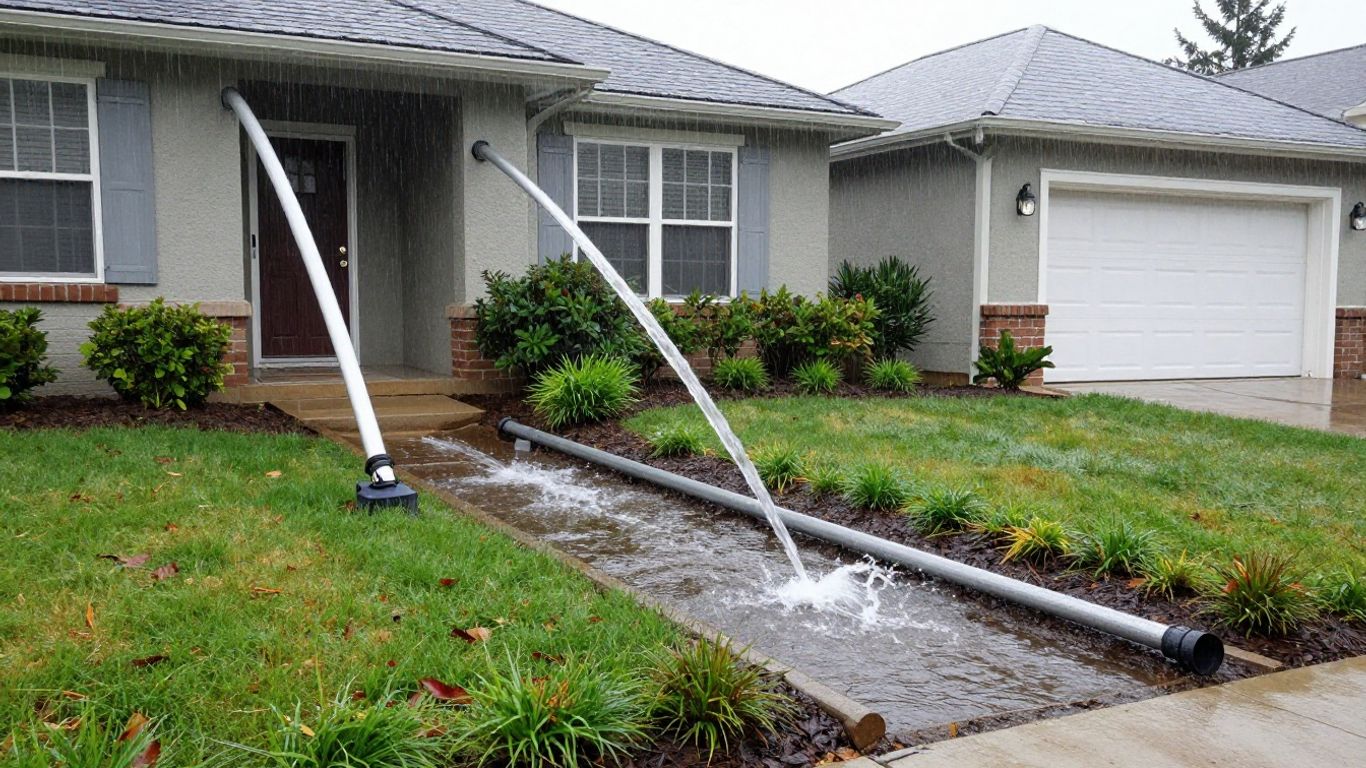
Gutters only work when water leaves the roof and is carried safely away from the structure. Downspouts, extensions, splash blocks, and underground lines can add a meaningful share of the project cost. They also determine whether a new gutter system protects the foundation or simply moves the overflow to another spot.
Look for erosion channels, muddy soil, basement dampness, or recurring puddles near discharge points. These clues can reveal that the existing drainage route needs improvement.
How many downspouts a home may need
The required number depends on gutter length, roof area, rainfall intensity, slope, and the size of the gutters and downspouts. Long uninterrupted runs may need additional outlets to reduce the amount of water traveling in one direction. A contractor should explain the proposed locations rather than adding downspouts without a reason.
Placement should also account for doors, walkways, landscaping, and property lines. A downspout that empties onto a path may solve one problem while creating a safety hazard.
Downspout installation and replacement costs
Replacing a downspout usually costs less than installing a full gutter system, but access and connection details can change the price. A quote may include outlets, elbows, straps, sealant, and removal of the old section. Decorative finishes or oversized components add to the material total.
OnScene Gutters connects property owners with local contractors for seamless gutter and downspout installation. The documented service scope also includes downspout installation and repair, so ask for those items to be listed separately in any proposal.
Extensions, splash blocks, and underground drainage
Above-ground extensions and splash blocks are simple ways to direct water farther from the foundation. Underground drainage can provide a cleaner appearance, but it requires trenching, suitable discharge, and attention to slope and soil conditions. Buried lines should be planned carefully so they do not become hidden sources of blockage.
Use the following checklist when reviewing the drainage portion of an estimate:
- The outlet location and downspout size are identified.
- Extensions or splash blocks have stated lengths and quantities.
- Underground lines include excavation, discharge, and restoration.
- The final water destination is shown or explained.
These details make it easier to compare proposals and prevent a low base price from hiding necessary site work.
Solving water pooling around the foundation
Pooling can result from short extensions, clogged underground lines, settled soil, poor grading, or a downspout that discharges too close to the wall. Gutters alone cannot correct every grading problem. The contractor may recommend a longer extension, a new drain route, or coordination with a drainage specialist.
Persistent dampness inside a basement or crawl space deserves prompt attention. Fixing the gutter may help, but it should not replace an evaluation of the foundation and surrounding grade.
When rain chains are a practical alternative
Rain chains can be attractive where a downspout would interfere with a porch, courtyard, or historic exterior. They work best when water lands on a basin, gravel bed, or other designed drainage surface. In heavy rain or windy conditions, they may splash and need more frequent adjustment.
Treat a rain chain as part of a complete discharge plan, not as decoration alone. The landing area must move water away from walls and walkways.
Choosing gutter guards and related add-ons
Gutter guards can reduce the amount of leaves and larger debris entering the system, but they do not make gutters maintenance-free. Their price depends on the guard design, roof access, existing gutter condition, and whether the system must be cleaned or repaired first.
Add-ons should solve a known problem. A guard is less useful than correcting poor slope or a damaged fascia board, and heat cables do not replace proper insulation or ventilation.
How gutter guard installation affects the budget
Guard installation adds materials and labor to the gutter project. Existing gutters may need cleaning, alignment, sealing, or replacement before guards can be fitted correctly. Difficult roof access and multiple corners can increase installation time.
Request a quote that separates the gutter system from the guard system. That makes it easier to decide whether the accessory is worthwhile now or can be added later.
Comparing screens, mesh, reverse-curve, and brush guards
Screens are simple and often economical, while mesh systems use smaller openings to block finer debris. Reverse-curve designs direct water over a shaped surface, and brush guards hold debris above the channel. Each design has tradeoffs involving installation, cleaning, snow, pine needles, and roof compatibility.
Ask what happens to needles, grit, moss, and roof granules after installation. A product that blocks leaves may still need occasional brushing or rinsing.
When guards are worthwhile for heavy tree cover
Guards are often most useful for two-story homes, heavy leaf fall, and homeowners who want to reduce ladder use. They can lower cleaning frequency, but trees, roof debris, and nearby construction can still overwhelm the surface. A seasonal inspection remains sensible.
The choice should reflect the cost of cleaning, the difficulty of access, and the type of debris on your property. Cheap guards may not perform well if they are poorly matched to the roof.
Maintenance expectations after guard installation
Inspect guarded gutters in spring and fall, and check them after major storms. Look for debris sitting on top, water spilling over the front edge, loose sections, and blocked downspouts. Some systems can be rinsed from the ground, while others need safe roof-level access.
OnScene Gutters covers gutter cleaning, debris removal, and guard installation through its service network. Those services are distinct from a claim that any guard is maintenance-free, so keep realistic inspection expectations.
Adding heat cables for ice dams and freezing climates
Heat cables can be considered in areas where ice dams repeatedly form along roof edges. They require correct electrical installation, weather-resistant equipment, and a plan for safe seasonal operation. They should not be used to conceal inadequate insulation, ventilation, flashing, or roof drainage.
Have an electrician or qualified contractor assess the installation when electrical work is involved. Do not improvise connections or place cords where water can enter outlets.
Planning the installation and getting accurate quotes
Good planning starts with a site visit and a clear scope. The contractor should measure roof edges, count corners and outlets, inspect attachment surfaces, and discuss where water will discharge. A useful estimate explains both the recommended system and the reasons behind it.
You can also compare the topic against new gutter cost information, but online ranges cannot account for your home's access, repairs, or local labor. Use them to prepare questions, not to set an exact budget.
What a professional contractor measures on site
A site visit usually covers linear footage, roof levels, corners, valleys, downspouts, fascia condition, and access. The contractor may also examine existing slope, outlet positions, roof runoff, and the condition of the old system. Measurements should lead to a plan that fits the property rather than a generic package.
Take photographs of problem areas before the visit. Overflow marks and detached sections can help the contractor understand how the system behaves during rain.
Questions to ask before approving an estimate
Ask who performs the work, what material and profile are proposed, and whether the price includes removal and disposal. Confirm the number of downspouts, the discharge plan, fascia repairs, permits, cleanup, and payment schedule. Also ask how weather delays or unexpected damage will be handled.
A reputable estimate should leave room for questions. If an answer is vague, request the scope in writing before approving the work.
How to compare materials, warranties, and workmanship
Compare thickness or grade where relevant, finish, fastener type, hanger spacing, seams, and the expected maintenance routine. A warranty should identify whether it covers material, labor, finish, or only specific defects. Workmanship terms matter because even good material can fail when it is pitched or attached poorly.
The same habit applies when reviewing any home-service quote: roofing estimate warning signs can remind homeowners to look for missing components and unclear exclusions. Gutter proposals deserve the same careful reading.
Warning signs of an incomplete or unusually low quote
A suspiciously low estimate may omit removal, disposal, downspouts, corner pieces, access equipment, or repairs to the roof edge. It may also use a vague phrase such as “complete installation” without stating footage or material. Compare line items before assuming the lowest total is the best value.
Other warning signs include pressure to pay in full before work begins, no written warranty, and reluctance to explain insurance or licensing. For comparison, the manual scheduling article concerns a different industry, but its broader lesson about hidden operating costs also applies: a headline price rarely tells the whole story.
When permits or homeowners association approval may apply
Permit rules vary by city, county, and the nature of the work. A replacement that changes drainage or involves structural repairs may receive different treatment from a like-for-like repair. Historic districts and homeowners associations can also regulate colors, profiles, and visible exterior changes.
Ask the contractor who is responsible for checking local requirements. Get approvals before ordering custom materials if the property has design restrictions.
Reducing long-term gutter ownership costs
The cheapest installation is not always the least expensive system to own. Regular cleaning, prompt repairs, and a sensible discharge plan help prevent damage to fascia, siding, landscaping, and foundations. Small maintenance expenses are easier to manage than extensive moisture repairs.
Keep the original estimate, product details, photographs, and warranty information. These records make future repairs and replacement decisions more straightforward.
Scheduling cleaning and inspections by season
Spring and fall are standard cleaning times, with extra visits for homes under heavy tree cover. Inspect after severe wind, hail, or unusually heavy rainfall, even if the gutters were recently cleaned. Check from the ground for sagging, overflow stains, loose straps, and water pooling.
OnScene Gutters lists gutter cleaning, repair, and storm-related services within its documented service coverage. A local professional can help when the system cannot be safely reached from the ground.
Preventing leaks, sagging, and detached sections
Keep gutters clear, maintain a consistent slope, and replace loose hangers before a section pulls away from the fascia. Sealant can address some joints, but repeated leaks may point to movement, corrosion, or an underlying attachment problem. Downspouts should remain firmly strapped and open at both ends.
Do not climb a wet roof or use an unstable ladder to inspect high sections. Professional access is the safer choice when the work cannot be performed from level ground.
Deciding between repair and full replacement
Repair is often reasonable when damage is limited to a few joints, hangers, or short sections and the rest of the system remains sound. Replacement may make more sense when there is widespread corrosion, repeated leakage, poor capacity, or damaged fascia. A contractor should explain why one option is recommended.
Ask for both repair and replacement scopes when the decision is unclear. Comparing the immediate cost with the likely frequency of future repairs can clarify the choice.
Protecting fascia, siding, and the foundation
A properly pitched gutter should carry water to a clear downspout instead of allowing it to run behind the fascia or splash against siding. Extensions and suitable grading help keep discharge away from the foundation. Watch for peeling paint, dark fascia, soil erosion, and damp basement walls.
If water damage is already present, repair the source before cosmetic work. Replacing trim without correcting the drainage route usually produces a temporary result.
Preparing gutters for storms and heavy rainfall
Before a storm, clear debris, check downspout outlets, secure loose extensions, and look for sections pulling away from the house. Afterward, inspect for dents, detached runs, crushed downspouts, and new erosion. Storm-damaged systems may need prompt temporary control followed by a full assessment.
A written storm checklist can prevent missed details. It should cover the roof edge, gutters, downspouts, discharge points, nearby trees, and visible foundation conditions.
Conclusion
Gutter installation costs are easiest to understand when the estimate is tied to your home's actual measurements and drainage needs. Compare materials, access requirements, downspouts, repairs, and long-term maintenance—not just the first total. A clear scope and careful installation can help protect the roof edge, exterior walls, landscaping, and foundation for years.
Frequently Asked Questions
How much does new gutter installation cost?
Many residential projects fall within a broad range of roughly $1,000 to $6,000, but material, footage, home height, access, repairs, and local labor can move the price substantially. An on-site measurement is the best way to receive an accurate estimate.
Which gutter material is usually the most affordable?
Vinyl and aluminum are commonly among the lower-cost options. Aluminum is often chosen for its light weight, rust resistance, color availability, and suitability for seamless fabrication, while vinyl may fit small or simple projects.
Are seamless gutters worth the extra cost?
Seamless gutters have fewer mid-run joints because they are formed in continuous lengths on site. That can reduce potential leak points, but corners and outlets still require workmanship, and the added cost should be weighed against the home's layout and budget.
How many downspouts does a house need?
There is no single number for every home. The answer depends on roof area, gutter length, rainfall intensity, gutter size, slope, and the proposed outlet locations. A contractor should explain the drainage design during the site visit.
Do gutter guards eliminate cleaning?
No. Guards can reduce the amount of debris entering the channel and may lower cleaning frequency, but leaves, roof grit, moss, and pine needles can still collect on or beneath them. Seasonal inspections remain advisable.
When should gutters be cleaned?
Spring and fall are common cleaning seasons, with additional service for homes beneath heavy tree cover. Inspect the system after major storms and whenever you notice overflow, sagging, stains, or water pooling near the foundation.
Should I repair or replace damaged gutters?
Repair may suit isolated leaks, loose hangers, or a short damaged section when the rest of the system is sound. Widespread corrosion, recurring failures, poor capacity, or damaged fascia may make full replacement more practical. A written comparison of both options can help.
The unrelated Jordan 4 Yellow Thunder guide, portable diffuser guide, and LabTestsOnDemand information are examples of pages outside this article's subject; they are included only as cross-topic site links, not as gutter recommendations.