
Key Takeaways
When exploring options for protecting your drainage system, understanding the variety of guard types is essential for long-term home maintenance.
- Mesh screens provide a balance between affordability and effective debris reduction for basic maintenance.
- Reverse-curve guards utilize water adhesion to direct runoff while shedding heavy materials.
- DIY installations often require physical access to roof eaves that can be dangerous for inexperienced homeowners.
- Climate and roof pitch significantly influence whether a basic store-bought filter will perform as expected.
- Professional intervention is necessary when structural fitment or repeated clogging begins to compromise the foundation.
Understanding types of gutter guards available at retailers
Homeowners often look to big-box retailers to find immediate solutions for protecting their roof drainage systems. Selecting the right product requires matching your local debris profile with the physical limitations of off-the-shelf components. While many options exist, understanding how each technology handles water flow and leaves is crucial for avoiding recurring clogs.
Mesh screens and their durability
Mesh screens are among the most common products found during a search for gutter guards home depot. They function by creating a physical barrier that allows water to pass through while trapping leaves and twigs, which can then be swept away by the wind or rain. Durability largely depends on the gauge of the metal used, as thinner screens may warp or collapse under heavy snow loads or debris buildup over time.
Reverse-curve systems explained
These systems operate by using surface tension to pull water around a curved hood and into the gutter channel while debris falls off the edge onto the ground. They are effective for larger debris, though, during intense downpours, a percentage of the water may bypass the intake if the curve is not perfectly pitched. Proper installation is highly sensitive to the existing slope of your hangers.
Foam inserts and brush filters
Foam inserts and brush-style filters are designed for quick, drop-in application without requiring specialized tools or mechanical fasteners. These materials fill the internal void of the gutter to prevent sediment accumulation, but they require regular removal for cleaning as they tend to trap finer particles over time. They are most effective in environments with minimal seasonal leaf fall and gentle rainfall.
Evaluating material quality: Aluminum vs. plastic
| Material | UV Resistance | Structural Rigidity | Weight |
|---|---|---|---|
| Aluminum | High | Excellent | Moderate |
| Plastic (PVC) | Moderate | Moderate | Light |
| Stainless Steel | Highest | Superior | Heavier |
Choosing between aluminum and plastic often comes down to the balance between budget and environmental factors. Aluminum components generally withstand sun exposure better without becoming brittle. Plastic guards are significantly cheaper, but they are prone to degradation in intense heat or freezing cycles, which often necessitates replacement within a few seasons.
Comparing DIY options to professional installation

Choosing the right path for your home often involves weighing the initial cost against the long-term reliability of the setup. While store-bought kits offer an accessible path to maintenance, they lack the customization found in professional systems. Many homeowners prefer the security of knowing that their drainage is handled by experts rather than attempting a high-risk DIY project.
Cost differences between store-bought and pro guards
Store-bought guards are priced for entry-level convenience, appearing as a low-cost solution upfront. However, the total cost of ownership increases when you factor in frequent maintenance trips up a ladder or the potential for premature replacement. Professional systems are a larger capital investment, but they often include precise measurements and warranties that protect your home from water damage over time.
Complexity of installation processes
Installing guards requires more than just snapping pieces together; it demands precise measurement of seamless gutters to ensure no gaps exist. DIY kits assume a standard gutter profile, but our experience suggests that many older homes feature irregular pitches that DIY products simply cannot accommodate. A sloppy fit allows debris to bypass the protector entirely, rendering the entire effort moot.
Performance expectations for DIY kits
Entry-level DIY kits are generally suitable for managing stray leaves on single-story homes with simple roof lines. They struggle in scenarios involving heavy pine needles or sludge that accumulates in valleys. If your roof layout is complex, these kits often fail to keep up with the volume of water redirected from multiple roof planes.
When to call the team at OnScene Gutters
When a home requires more than a simple patch, it is time to call the team at OnScene Gutters to assess your specific drainage challenges. Our network excels at identifying where standard hardware fails, ensuring that gutters are correctly pitched and firmly attached. We help property owners gain peace of mind by providing high-quality, long-term water management solutions that stand up to harsh seasonal weather.
Critical factors to consider before buying
Before picking up supplies, assess the specific environmental stressors hitting your home. The efficacy of any guard system relies on its ability to align with the unique geometry of your roofline and the specific types of vegetation surrounding your property.
Assessing your roof pitch and gutter style
Roof pitch dictates the velocity of incoming water, and steep slopes may cause water to overshoot a poorly designed guard during heavy storms. You must verify if your seamless gutter replacement project involves standard profiles or specialized equipment that might conflict with universal guard clips. Always measure your gutter width to ensure the guards are not too tight or improperly loose.
Identifying local debris types common in your climate
- Pine needles require micro-mesh to prevent blockage.
- Oak leaves are easily shed by reverse-curve systems.
- Maple samaras need extra-fine surface coverage.
- Asphalt shingle grit requires semi-annual flushing of the interior.
Ignoring the specific tree types in your area is the most common reason for guard failure. A guard that works perfectly for large leaves may be completely useless against pine needles, which slip effortlessly through larger mesh openings and create long-term clogs that act like dams.
Compatibility with existing K-style or seamless gutters
Most retail products are built for standard residential K-style gutters, which feature a signature decorative front. If your house uses box gutters or custom copper work, generic clips will not hold. Attempting to force a fit on mismatched hardware often damages the gutter's structural integrity or creates gaps where wildlife can nest.
Tools and safety equipment required for installation
Installation necessitates sturdy ladders, work gloves, safety glasses, and potentially power tools for drilling or cutting metal. Working at height carries inherent risks, especially when simultaneously handling materials and fasteners. It is often safer to hire an expert if you are uncomfortable working with tools while navigating around roofing tiles or siding.
Common challenges with store-bought gutter guards
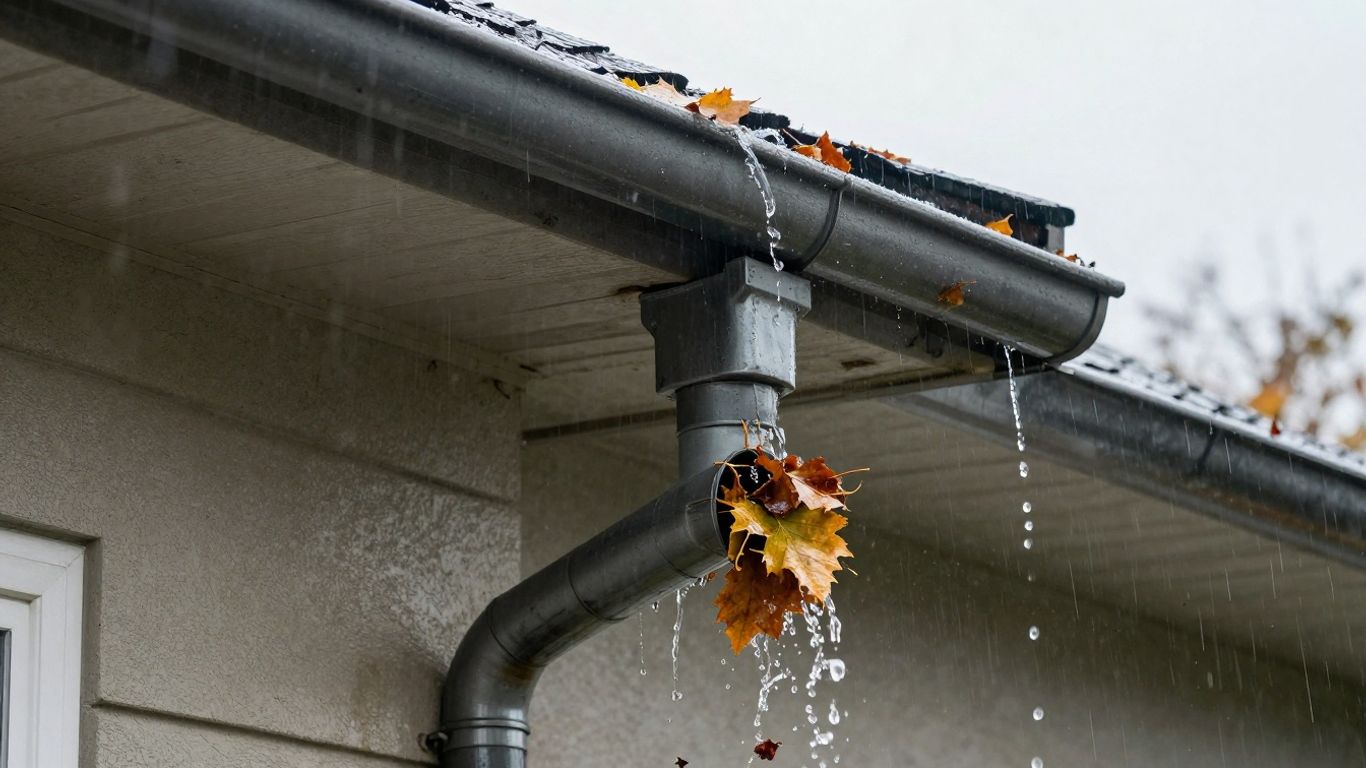
Many users discover that the primary challenge is not keeping debris out, but preventing it from accumulating on the guard itself. Over time, organic material can create a layer of mulch on the surface which blocks water flow entirely.
Difficulty installing on steep roofs
Working on steep pitches requires specialized rigging to ensure you can reach the gutter line safely without leaning away from the ladder. Most retail guard kits lack the specialized hardware necessary to anchor guards at the specific angles found on high-pitched gable ends. This frequently results in loose segments that blow away during wind events.
Risk of debris buildup beneath the surface
If the guard connection is not perfectly sealed, small seeds and sediment will drift into the channel. Once inside, this material is harder to remove than if no guard were present, as you must dismantle the entire installation to scrape out the debris. This hidden blockage often leads to overflow where it is most destructive, right above your doorways or flower beds.
Limitations of entry-level filter technology
Budget filters are usually comprised of perforated plastic or flimsy screens that lack the structural tension to prevent sagging. They flex under the weight of wet leaves, which pools water in the middle of the gutter and creates overflow issues during light but steady rains. Their lifespan is often limited to a few years before they become brittle from UV exposure.
Maintenance needs and cleaning frequency
Expecting any gutter guard to be completely maintenance-free is a mistake that homeowners often make after buying products from a big-box store. Most systems require at least a seasonal inspection to clear off the surface, even if the interior remains mostly clean.
Even with top-shelf guards, some level of manual clearing is required to keep water flowing freely. You will likely spend less time than you would without guards, but the task never disappears from your home maintenance calendar.
Installation best practices for store-bought guards
Getting a clean fit is the difference between a functional system and a nuisance that costs you more money in repairs. Proper integration requires patience, double-checking the manufacturer's guidance, and ensuring that no debris is trapped before closing the gutter system.
Preparing your gutters for a clean fit
Before attaching a single piece, your gutters must be thoroughly cleaned out, internally purged of sludge, and inspected for sagging. Installing guards over existing debris ensures that it will stay there, potentially blocking the downspout exit immediately upon the first rain after the installation.
Proper alignment and attachment techniques
Ensure that the guard profile exactly matches the shape of the existing gutter. Some systems rely on tension, while others require small screws that puncture the lip of the gutter. Use only manufacturer-recommended fasteners to avoid creating an electrochemical reaction between the guard material and the gutter, which causes rapid corrosion.
Ensuring correct drainage and overflow prevention
Test the water flow by using a garden hose and observing how the system handles a concentrated stream of water. If you notice water skipping over the guard instead of entering the gutter channel, the pitch is likely incorrect or the guard overlap is too significant. Quick adjustments now prevent basement water issues later.
Testing the system after heavy rainfall
Wait for the first major storm to observe how the system handles the volume of runoff from the roof valleys. This is when you should check for any leaks at the miters or downspout joints. If water is dripping behind the gutters, the seal between the roof apron and the guard is likely compromised.
Recognizing when store-bought solutions are not enough
Retail options serve a purpose, but they should not be viewed as a substitute for a properly engineered gutter replacement when the underlying systems have worn out. Recognizing the limits of store-bought patches helps you avoid spending money on a temporary fix that does not address the actual root cause of water damage.
Signs of repeated clogs after guard installation
If your downspouts are still backing up despite having guards installed, the debris is likely bypassing the screen or the downspout itself is too narrow. A professional often finds that the issue lies in a localized blockage within the horizontal sections that cannot be accessed without special tools.
Structural issues caused by improper fitment
Forces applied by snow or ice onto poorly installed guards can pull the gutter away from the fascia, resulting in sagging or detachment. This constant stress weakens the hangers and the wood substrate of the roofline, leading to expensive structural failures that require expert restoration.
Importance of professional inspection for existing damage
Store-bought solutions may hide damage like dry rot or rusted seams from your view. A trained professional can spot these issues during the initial evaluation of your gutters in Atlanta, providing a complete picture before you seal everything under a new guard system that might just be delaying the inevitable.
Long-term value calculation versus short-term cost savings
Investing in a permanent, professional-grade solution is essentially an insurance policy for your foundation. While the initial bill for gutter repair in Dallas or full system replacement might be higher than the price of a DIY kit, the reduction in potential repair costs for damaged fascia and foundation repairs creates a positive return on investment over the life of your home.
Conclusion
While hardware stores offer a variety of entry-level options for homeowners looking to reduce their cleaning duties, these store-bought guards are best viewed as a stopgap measure rather than a complete solution for complex drainage needs. Successfully managing water runoff requires a combination of high-quality materials, precise installation, and an understanding of your specific environmental context. When standard retail products consistently fail to prevent debris buildup or water overflow, it is a clear signal that the underlying gutter system likely requires professional service and proper engineering to provide lasting protection for your property.
Frequently Asked Questions
Can any gutter guard be installed on old gutters?
Yes, but you must ensure that your current gutters are structurally sound and firmly attached before attempting to add any extra weight. Guards add mass and can exert pressure on weak hangers, so a thorough inspection is recommended before purchasing kits.
Do gutter guards definitely prevent all clogs?
No product is completely immune to every type of debris, especially regarding fine silt, sludge, or tiny seeds. While guards significantly reduce the amount of large material entering the channel, some maintenance is still needed to clear away accumulated fine particles and surface residues.
Should I use plastic or metal guards?
The choice depends on your budget and local climate conditions. Aluminum and steel offer higher durability and heat resistance, whereas plastic is more affordable but prone to warping and brittleness under intense solar exposure over several seasons.
How steep of a roof can I install guards on?
Installing guards on steep roofs is inherently dangerous for those without professional training and proper scaffolding. If your roof line is particularly complex or steep, it is generally safer and more efficient to hire a qualified contractor to handle the work for you.
Will guards prevent icicle formation during winter?
While some guards are designed to encourage airflow, no gutter guard can prevent ice dams, which are typically caused by inadequate attic insulation and heat transfer. In fact, some poorly installed guards can make ice issues worse by trapping meltwater where it can easily refreeze.
Do I need to remove guards to clean the gutters?
Most modern guard systems are designed to be relatively accessible, often allowing for cleaning without full removal. However, some lower-cost, snap-in models effectively lock themselves into place to maintain a seal, and these may require partial or total removal, which can damage the fasteners over time.
What are the main signs that a guard system has failed?
Failure is usually indicated by persistent overflow, water leaking behind the gutter directly onto the fascia, or visible debris piling up on top of the guard screen. If you see water bypassing the system during light rain, the screen is likely blocked or the overall system alignment is no longer consistent.