Key Takeaways
Transitioning to a new gutter system is one of the most effective ways to preserve your property’s structural integrity against water-based threats. By understanding the right materials, profiles, and maintenance strategies, you ensure your home stays dry and safe through every season.
- Inspect your existing gutters twice annually for signs of sagging, rust, or leaking seams to catch failures early.
- Aluminum remains the most popular choice for homeowners due to its balance of durability, cost, and design flexibility.
- Professional installation by OnScene Gutters allows for seamless fabrication that reduces the number of vulnerable leakage points.
- Properly sized downspouts and correct roof slope are essential technical requirements for handling heavy rainfall without overflow.
- Incorporating gutter guards or splash blocks can significantly reduce the frequency of manual cleanings and protect your landscaping from erosion.
Identifying when your home needs a new gutter system
Water management often goes unnoticed until something goes wrong, but keeping a close eye on your roof edges can save you from expensive repairs later. A properly functioning gutter setup is designed to carry rainwater safely away from your home, preventing everything from basement flooding to landscape washouts. Knowing when to swap out your current hardware prevents the damage before it starts, ensuring your home remains protected during every storm.
Recognizing common signs of gutter failure
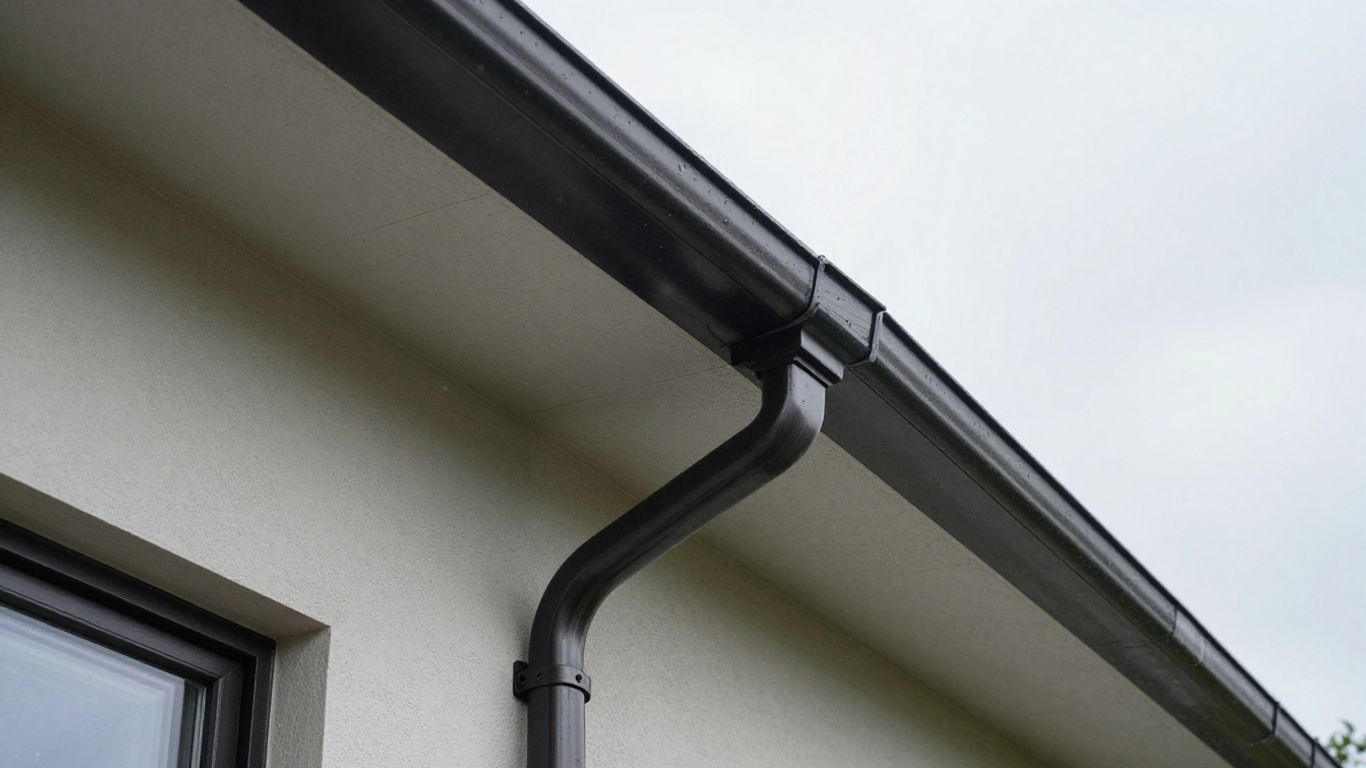
Gutter failure is rarely sudden; it usually manifests as a series of small, manageable issues that eventually compound into a larger problem. Common indicators include standing water in the trough after a rain event, rusting along the bottom, or sections that appear to pull away from the house entirely. When you see paint peeling behind the gutter, it suggests a chronic leak that is saturating the wood.
Why aging gutters jeopardize your foundation and fascia
Your roof’s fascia boards are the primary anchor points for the entire assembly, and they are highly susceptible to rot when they remain damp. If gutters leak at the seams or overflow, water drips directly onto these wooden supports instead of heading toward the downspouts. Over time, the moisture creeps into the foundation perimeter, leading to issues like hydrostatic pressure, basement seepage, or soil erosion that can eventually compromise your home's structural integrity.
Distinguishing between minor repairs and total replacement
Not every issue requires a complete system overhaul, as small cracks or loose hangers can often be addressed with targeted repairs. However, when the metal itself has reached the end of its life or the system is consistently failing despite multiple attempts to fix it, you are looking at a system-wide failure. When leaks appear at many joints or the metal is bowing under the weight of debris, a professional gutter replacement is the more cost-effective long-term move.
Preventing long-term water damage with timely upgrades
Proactive planning allows you to choose high-quality components before an emergency forces a last-minute decision. Modern materials and professional installation methods offer much higher resistance to the elements than builder-grade systems from decades past. By timing your upgrade appropriately, you can secure your home against seasonal weather cycles and prevent the cumulative effects of water intrusion that lead to rot.
Comparing gutter materials and performance
Selecting the right material is a balancing act between local climate conditions, your home’s architectural style, and your target budget. While every material has its champions, the performance of each varies significantly depending on your geographic region and the level of maintenance you are prepared to commit to.
Benefits of aluminum gutters for residential use
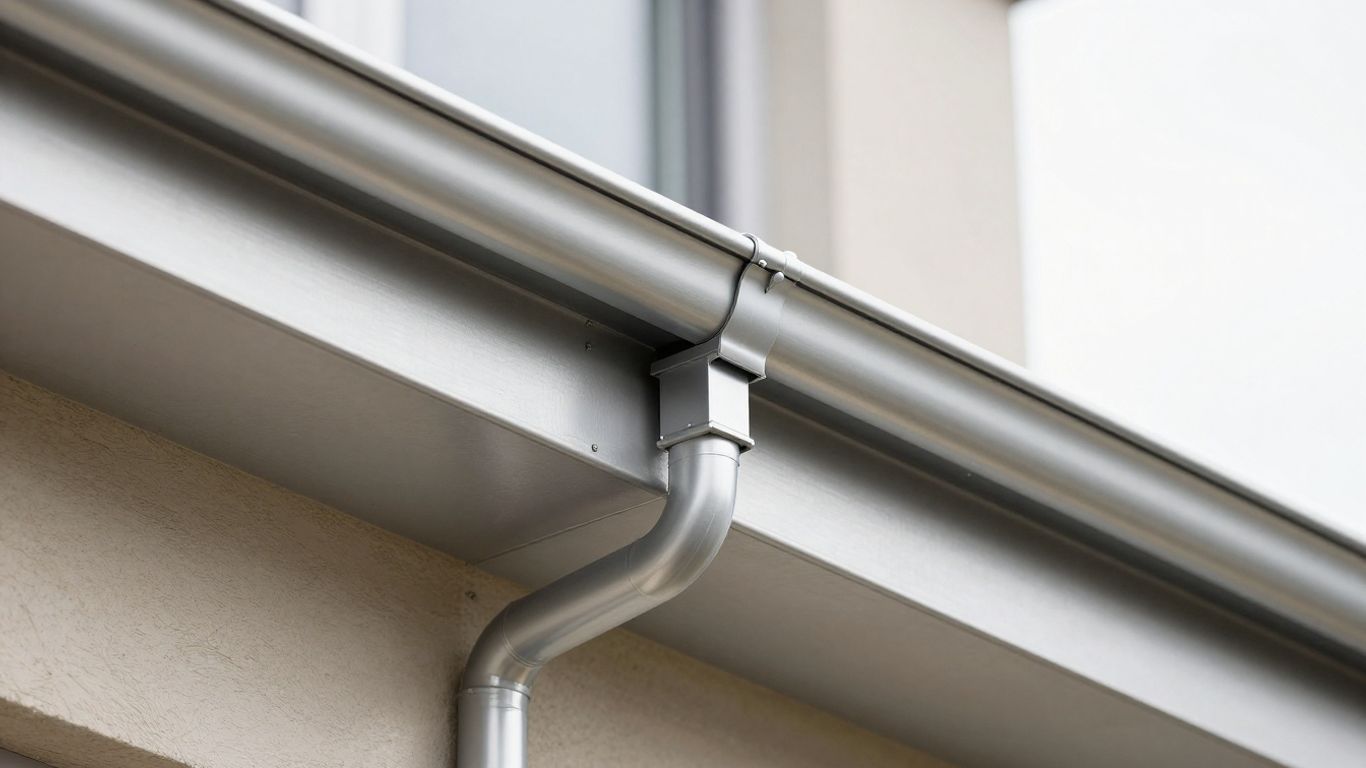
Aluminum is the industry standard for residential properties because it provides an effective mix of longevity, affordability, and ease of installation. It is non-corrosive, meaning it won't rust away like older steel systems, and it can be painted to match your home’s trim perfectly. Because aluminum is lightweight, it is relatively easy to mount securely to most fascia boards without structural modifications.
The durability and aesthetic appeal of copper systems
Copper systems are considered a premium choice for high-end homes, offering a distinct visual appeal that develops a beautiful patina over time. Beyond the aesthetics, copper is incredibly durable and can last for several decades if installed by a skilled tradesperson. It holds up well against harsh environmental conditions, though the trade-off is a significantly higher initial investment.
Evaluating steel and vinyl options for specific climates
Steel systems are sometimes favored for the mid-west and colder regions due to their rugged nature, though they require maintenance to prevent rust. Conversely, vinyl is a popular DIY-friendly gutter material that does not rust, but it can become brittle and crack during extreme temperature swings. Understanding how these behave in your local weather allows you to make an informed choice that won't require a repeat installation in a few years.
Determining the right material for your local weather patterns
Choosing the material depends on what your region throws at your house, from heavy snow loads to relentless coastal salt air. We have compiled a summary of common performance traits to help you differentiate between these options when discussing your new gutter system needs.
| Material | Best For | Typical Durability | Maintenance |
|---|---|---|---|
| Aluminum | Most Climates | Moderate-High | Low |
| Copper | Premium/Historic | Very High | Very Low |
| Steel | Harsh Weather | High | Moderate |
When you review your specific situation, keep these elements in mind for your final selection:
- High-snow regions require thicker gauge materials to prevent denting under icy weight.
- Coastal homes benefit from non-corrosive metals to resist salt-air oxidation.
- Wood-heavy properties often necessitate robust systems that can handle organic debris without clumping.
Once you have researched these traits, you are in a better position to discuss the right fit with a contractor who understands local environmental stressors.
Understanding technical configurations and styles
How your system is configured matters as much as the material used, as even expensive copper will fail if it isn't sloped correctly. Effective water management relies on creating a continuous path from the roof to the ground, and modern techniques make that easier than ever.
Benefits of seamless gutter design
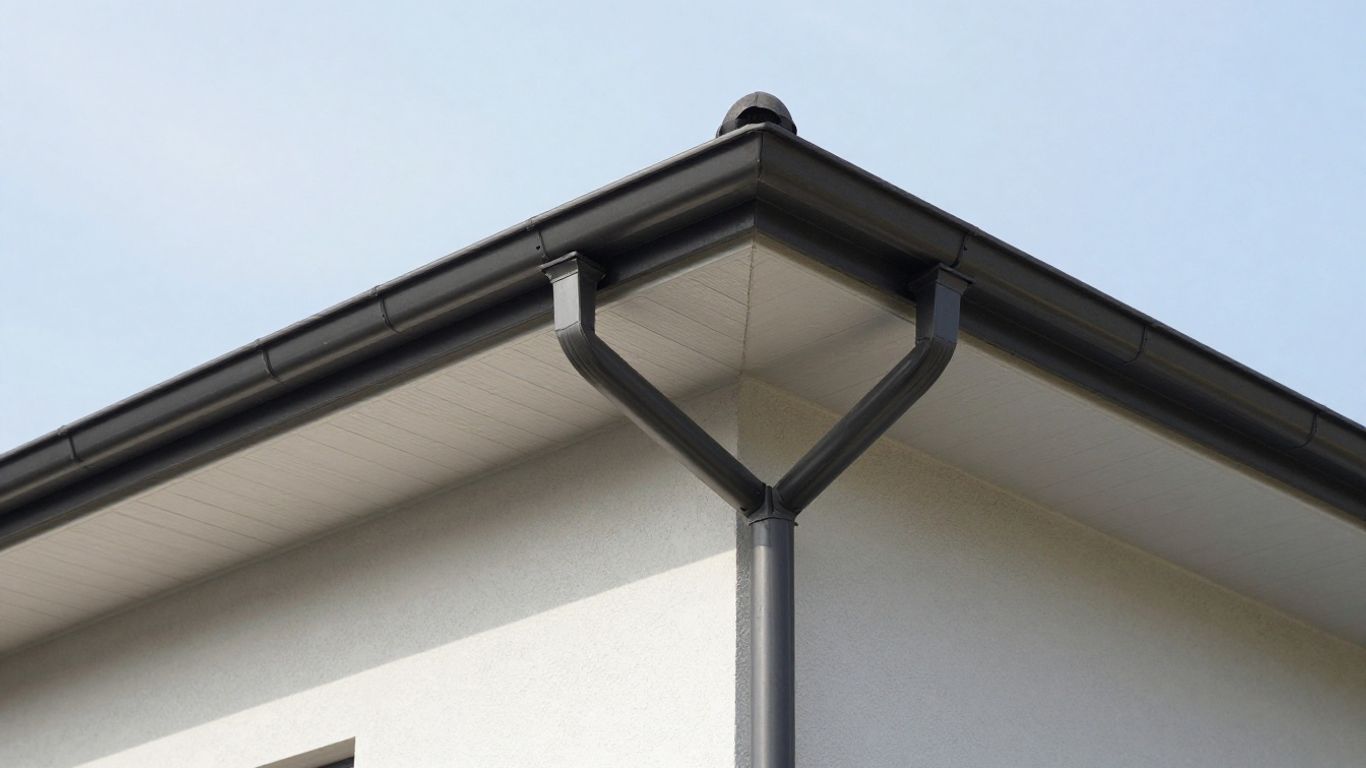
Seamless systems are fabricated on-site to match the exact length of your home's rooflines, eliminating the joints that serve as the weakest points in traditional systems. By using fewer seams, you significantly reduce the risk of leaks developing over time, which is the most frequent cause of water damage claims. This custom fit provides a cleaner, more finished look that complements the lines of your house.
Choosing between K-style and half-round profiles
K-style gutters feature a flat back and a decorative, ogee-style front that resembles crown molding, making them the most popular choice for modern suburban homes. Half-round profiles offer a classic, semi-circular look that is frequently requested for historical renovations or homes with a more minimalist aesthetic. Choosing between them usually comes down to whether you prioritize the high-capacity, flat-profile utility of K-style or the traditional curves of the half-round design.
Calculating the necessary downspout capacity for your roof
One common oversight is installing too few downspouts, which leads to immediate overflow when the rain intensifies. A rule of thumb is that for every 30 to 40 feet of gutter, you should have at least one downspout to handle the volume collected. If you have a particularly large roof surface or high-pitched gables, your gutter capacity requirements will increase accordingly.
Ensuring proper slope for optimal water flow
Gutters must be installed with a slight pitch—typically about an inch for every 10 to 20 feet—that tilts down toward the downspout. Without this pitch, water will pool in the center of the run, creating an inviting environment for mosquitoes and potential structural warping. Precise leveling ensures that water keeps moving quickly, preventing the stagnation that leads to sludge and buildup.
Enhancing your system with accessories and protection
Installing your system is only the first step, as maintenance and auxiliary components determine how well it works five years down the line. Adding specific accessories can turn a standard system into a high-performance drainage setup, often paying for itself by saving you on cleaning labor and preventing foundation issues.
Deciding if gutter guards are right for your property
Guards provide a physical barrier against leaf buildup, which is the leading cause of clogged systems and subsequent overflowing. While no guard is truly "maintenance-free," they can dramatically reduce how often you need to climb a ladder to clear out debris. If you have many large, overhanging trees, high-quality micro-mesh guards can make a major difference in your seasonal maintenance plan.
The role of gutter aprons and drip edges in leak prevention
These essential components act as a bridge between your roof shingles and the gutter itself, ensuring that water runs into the trough rather than behind it. Without a proper drip edge, water can cling to the underside of the roofing material and drip into the fascia, leading to unseen rot. Always ensure these are part of your installation to protect your home's outer perimeter.
Managing drainage with downspout extensions
Water shouldn't just be moved from the roof to the ground; it needs to be moved far away from your foundation. Downspout extensions allow you to direct flow several feet from your siding, preventing the water from immediately soaking back into the soil near your basement. This simple addition is one of the most effective ways to avoid water damage and basement flooding.
Integrating splash blocks to protect your landscaping
Splash blocks further protect your soil by breaking the velocity of the water as it leaves the downspout. They distribute the energy across a larger area, preventing a deep trench from being dug into your flower beds or lawn over time. This small touch keeps your yard looking sharp and maintains the health of your foundation’s soil moisture levels.
Planning for professional installation and costs
Budgeting for a project requires more than just looking at the base materials, as the variables of your specific home layout play a huge role. Understanding the factors that move the needle on your final project cost will help you feel more confident when comparing estimates.
Factors that influence total project pricing
Total costs are usually calculated per linear foot, but the complexity of your home’s roofline is a significant multiplier. Houses with multiple corners, dormers, or varying roof heights require more labor-intensive custom fits and a higher count of corners and end-caps. You should also factor in the removal and disposal of old hardware, which often carries an additional fee based on the weight or volume of the discarded material.
Getting an accurate estimate through on-site measurements
Phone quotes are often inaccurate because aerial photos cannot capture the specific layout challenges, such as obstacles or fascia access issues that might complicate an install. Inviting an expert to your home ensures they can assess the work environment, measure the linear footage precisely, and account for the specific downspout placement needed for your soil conditions.
Selecting a professional for reliable installation
Reliability is the most important trait to look for when selecting your contractor, as poor installation often causes more damage than no system at all. Look for vendors who have established local experience and a commitment to communication throughout the process. A professional installer will be happy to show you their recent work and walk you through why they suggested a specific configuration for your home.
Preparing your home before the installation crew arrives
Taking initiative before the team arrives helps the project move along much faster and keeps your property safe. Ensure that any outdoor furniture, potted plants, or vehicles are moved well away from the perimeter of the home to give the crew space to set up their ladders and mobile fabrication equipment. If you know there are specific issues with your current fascia, alerting the crew beforehand gives them a chance to bring the right materials for any needed repairs.
Conclusion
Investing in a modern gutter setup is much more than a routine home improvement; it is a critical defensive measure against some of the most common and expensive structural problems homeowners face. Whether you are dealing with sagging sections during the rainy season or simply upgrading to protect your investment for years to come, a professional, seamless system provides the peace of mind that your foundation remains dry and protected. By planning out your materials, understanding the technical needs of your roof, and choosing an experienced installer, you ensure that your home stays secure through even the most intense weather events.
Frequently Asked Questions
What is the average lifespan of aluminum rain gutters?
High-quality aluminum gutters typically last between 20 and 30 years, provided they are maintained correctly and kept free of heavy debris buildup.
Why should I choose seamless gutters over sectional ones?
Seamless gutters are fabricated on-site to the exact dimensions of your roof, resulting in fewer joints that significantly lowers the risk of developing future leaks.
How often should I have gutters cleaned?
Standard advice suggests a twice-yearly cleaning schedule—specifically spring and fall—though homes located under heavy tree cover may require more frequent attention.
Do I need to replace my downspouts when I get new gutters?
While it is not mandatory to replace them if they are in excellent condition, upgrading your downspouts to the same material and newer, higher-capacity hardware often provides better flow and a uniform, attractive look.
Can professional installation be completed in a single day?
For most standard-sized residential properties, a professional team can remove, fabricate, and install a brand new system in one business day, depending on the complexity of the home.
What factors determine if I need a professional for my gutter repair?
If the fix involves replacing major sections, working at dangerous heights, or repairing the fascia boards that the gutters attach to, it is safer and more effective to hire professional help.
Will installing gutter guards eliminate the need for cleaning forever?
While gutter guards dramatically reduce the volume of debris that enters the trough, no system is perfectly maintenance-free, and you should still perform a periodic visual inspection to ensure everything remains clear and functional.