Key Takeaways
Affordable gutter replacement is about getting the right system and installation, not simply accepting the smallest number on a quote.
- Replace gutters when widespread damage, recurring leaks, or poor drainage makes repeated repairs impractical.
- Compare material, linear footage, gutter size, downspouts, access, removal, and disposal—not just the final price.
- Aluminum seamless gutters are often a practical budget choice, while copper usually costs much more.
- Verify licensing, insurance, reviews, service coverage, and warranty terms before hiring.
- A careful inspection and water-flow test help prevent expensive fascia and foundation damage.
What cheap gutter replacement should include
A cheap gutter replacement should still include accurate measurements, suitable materials, secure hangers, properly placed downspouts, and a clean installation. Low cost is useful only when the finished system moves water away from the house. Before accepting an estimate, determine whether you need a few replacement runs or a complete drainage overhaul. A reliable contractor should explain that choice in plain language.
When replacement is more practical than repair
Repair makes sense when the problem is limited to one loose hanger, a small leak, or a short detached section. Replacement becomes more practical when gutters are rusting, cracked, badly bent, or pulling away in several places. Repeated patching can leave you paying for the same problem while other sections continue to fail. If the fascia is soft or the system no longer has a workable slope, ask for a replacement assessment rather than another temporary fix.
A partial replacement may be enough if most of the system is sound and the damage is confined to a few rooflines. The estimate should identify exactly which sections will remain and why they are considered serviceable. This is one area where a lower initial price can be sensible, provided the remaining gutters are not already near failure.
Common signs your gutters need to be replaced
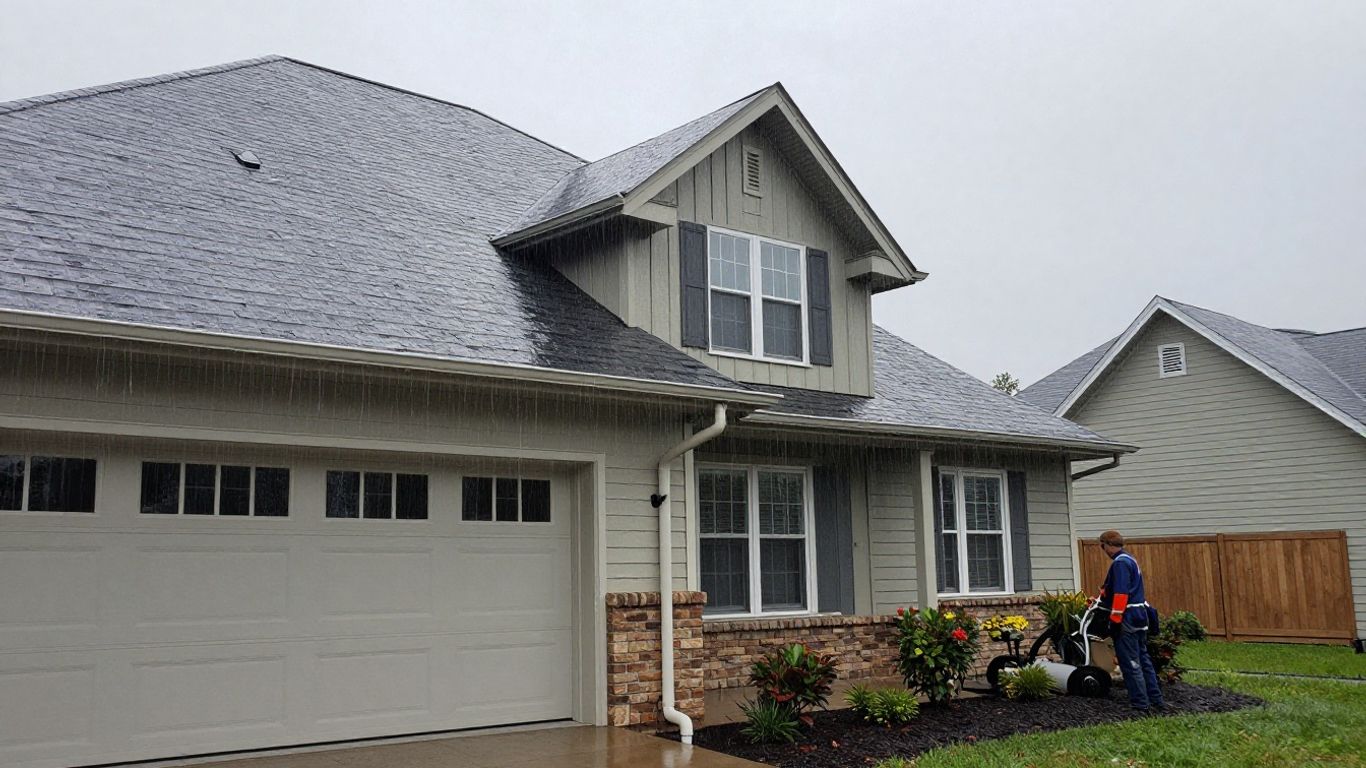
Some warning signs are visible from the ground, while others appear during or just after rain. Look for seams that leak repeatedly, sections that sag, gutters separating from the fascia, and water spilling over the front edge. Peeling paint, staining below the roofline, or puddles beside the foundation can also point to drainage trouble. A gutter that has been damaged by a storm may need reattachment, repair, or replacement depending on the condition of the surrounding run.
Pay attention to patterns rather than one isolated symptom. A single loose downspout strap is different from a system that overflows, leaks, and pulls away across multiple elevations. If you are unsure, take photographs from the ground and request an inspection. Avoid climbing a wet or unstable ladder simply to get a closer look.
How gutter failure can damage fascia and foundations
Gutters are part of the home’s water-management system. When they overflow or leak behind the fascia, water can soak the board supporting the gutter and contribute to rot. Water that lands beside the house may also collect near the foundation, seep into lower areas, or erode soil around the footing. The damage may develop slowly, which makes early inspection worthwhile.
Downspout placement matters just as much as the gutter itself. Extensions should discharge water far enough from the building for the site and slope, rather than dropping it directly at the foundation. In a local example, homeowners can review Trenton gutter replacement guidance when thinking through signs such as overflowing water, sagging sections, and foundation concerns. The same basic inspection logic applies in other climates, even though rainfall and soil conditions differ.
Why the lowest quote is not always the best value
A very low bid may omit removal, disposal, fascia inspection, downspout extensions, or difficult-access charges. It might also specify a thinner material, fewer hangers, or a smaller gutter size without explaining whether those choices fit the roof and rainfall conditions. Ask what is included before treating the price as a bargain. A complete scope matters more than a sharp-looking total at the bottom of the page.
The best value is usually the estimate that connects the work to the drainage problem. It should state the material, profile, dimensions, number of downspouts, attachment method, and warranty terms. If two bids differ greatly, ask each contractor to explain the difference line by line instead of asking only for a discount.
How much gutter replacement costs
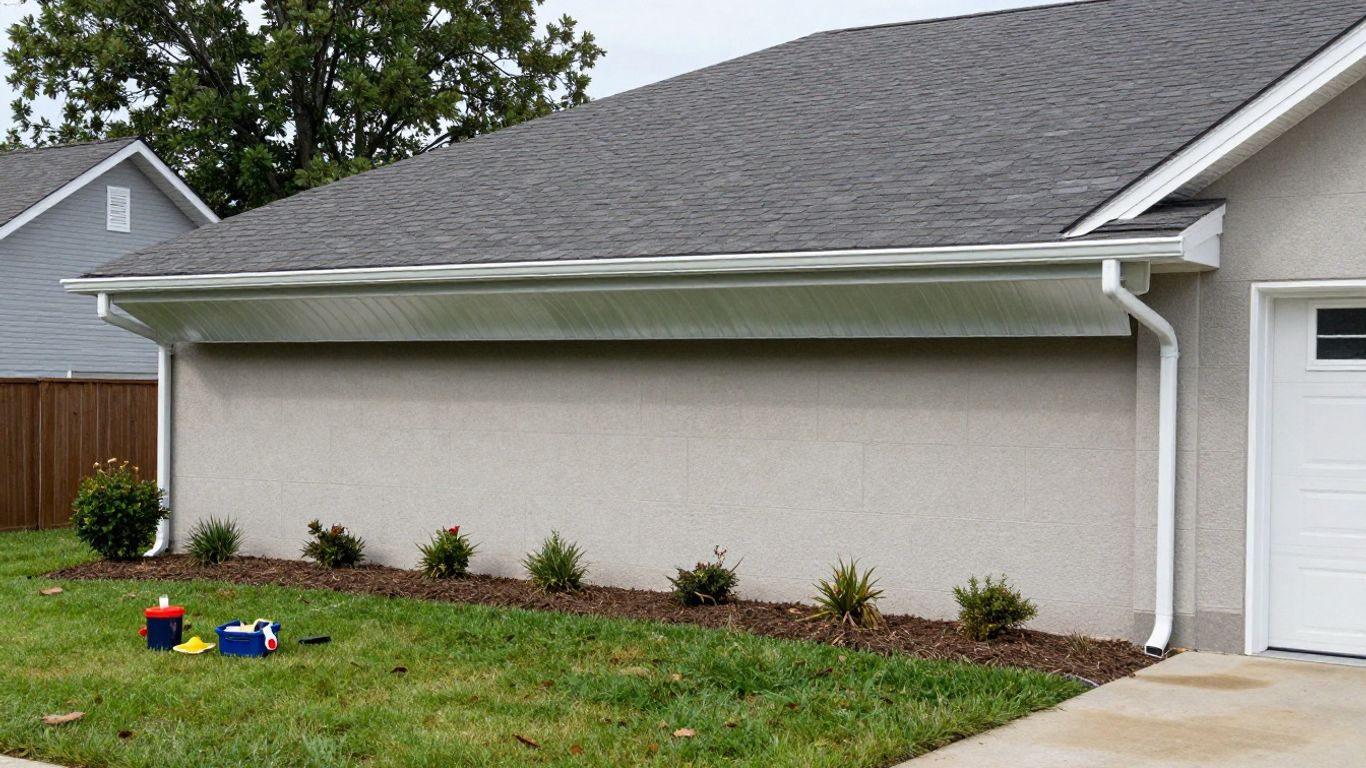
The price of gutter replacement varies with the size of the home, the amount of linear footage, the material, and local labor rates. A one-story ranch with easy access is a different job from a tall home with several roof angles and storm-damaged fascia. Removal and disposal can add to the project total, as can downspout changes or repairs to the wood behind the gutters. An on-site measurement is the most dependable way to turn a broad cost question into a useful estimate.
Factors that affect your total project price
Contractors generally price the work after considering roofline length, gutter size, profile, number of corners, downspout locations, and building height. Access can affect labor when crews need special equipment or must work around landscaping, porches, steep slopes, or other obstacles. The condition of the fascia and soffit may also change the scope if damaged wood must be addressed before new gutters are attached.
Climate and site drainage deserve attention too. Heavy rain, snow, ice, leaf fall, and dense tree cover can influence the system design and maintenance needs. Ask whether the estimate includes the parts that make the water-management plan work, not just the visible channels along the roof.
Aluminum, vinyl, steel, and copper cost differences
Material choice creates a large part of the price difference. Aluminum is widely used and often offers a practical balance of cost, weight, color choices, and corrosion resistance. Vinyl can have a lower material cost but may be less suitable for some exposure conditions. Steel is heavier and may provide a sturdy option, while copper is a premium material with a distinctive appearance and a substantially higher purchase price.
The cheapest material is not automatically the least expensive over the life of the system. Consider the home’s weather, the roofline, expected maintenance, appearance, and how difficult future repairs would be. Ask for comparable estimates using the same gutter size and layout so that a material comparison is not distorted by different scopes.
Seamless versus sectional gutter pricing
Sectional gutters arrive in shorter pieces that are joined along the roofline. Those joints can be serviceable, but each seam is another place that may eventually leak or require attention. Seamless gutters are roll-formed in continuous runs, usually on site, so they have fewer mid-run joints. They often cost more than basic sectional systems because of the equipment, fabrication, and installation process.
That added cost should be weighed against the layout and the contractor’s installation quality. A simple, short roofline may not show the same price difference as a large home with long continuous runs. Request the number and location of joints in each proposal. This makes the comparison more concrete than treating “seamless” as a vague upgrade.
Labor, access, removal, and disposal fees
Labor can include measuring, fabrication, removal of old channels, hauling debris, installing hangers, setting downspouts, and testing the completed system. Some estimates bundle these tasks, while others list them separately. Neither approach is automatically better, but separate lines make it easier to see what you are paying for.
Before work begins, ask whether the price changes if hidden fascia damage is found. A fair estimate can allow for unknown conditions without pretending that every repair is already included. You should also know who handles disposal and whether cleanup around walkways, plant beds, and entrances is part of the agreement.
How to find affordable gutter replacement near me
Searching for cheap gutter replacement near me is a useful first step, but proximity alone does not establish value. Look for companies that regularly handle replacement, seamless installation, downspouts, and related drainage work. Collect several estimates when the situation is not an emergency, and give each provider the same basic information about the home. Clear comparisons are easier when every contractor sees the same rooflines and problem areas.
Search for local gutter replacement companies
Use local search results, neighborhood recommendations, and trade directories to build a short list. Search by the service and your city, then check whether each company actually serves your address. On Scene Gutters connects homeowners and businesses with a nationwide network of trusted contractors specializing in gutter repair, installation, and replacement. Its service focus also includes seamless gutter installation and downspout installation and repair, which can be relevant when replacement involves more than the channels themselves.
A directory can help with initial research, but do not treat a ranking or search position as proof of workmanship. Ask for a written estimate and an on-site visit. For an additional starting point, the local gutter provider directory lets homeowners review service categories, distance, and other listing information.
Check licenses, insurance, and customer reviews
Confirm the licensing requirements that apply in your state or locality, and ask for proof of current liability insurance and workers’ compensation coverage where appropriate. Reviews can reveal patterns involving communication, cleanup, missed appointments, or workmanship, but read them with context. A handful of vague compliments tells you less than detailed feedback about a similar replacement project.
Ask for references or photographs of comparable work if the contractor can provide them. You do not need a long sales presentation. You do need enough information to judge whether the company understands water flow, attachment points, and the practical details of your property.
Compare service areas and response times
A nearby company may still have limited coverage or a long scheduling queue. Confirm that the provider serves your neighborhood and ask when an inspection could realistically happen. If a storm has torn away a section, temporary protection and emergency repair may be more urgent than a full replacement quote.
For a planned project, response time is only one part of the decision. A contractor who takes a little longer but provides a complete scope may be a better fit than one who offers a rushed, vague bid. Get the expected inspection date, installation window, and communication contact in writing.
Ask about warranties and workmanship guarantees
Read the warranty language instead of relying on a phrase such as “guaranteed work.” Find out what is covered, how long coverage lasts, whether materials and labor are treated differently, and what maintenance or exclusions apply. Ask how warranty requests are handled if the original installer is unavailable.
A warranty cannot compensate for a poor design or an incomplete estimate. It is one part of your screening process, alongside insurance, references, measurements, and clear installation details. Keep the signed proposal and any care instructions with your home records.
How to compare gutter replacement estimates
Estimates are easiest to compare when they describe the same work in the same units. One contractor may quote by linear foot, another may bundle labor and materials, and a third may include downspouts in a single project figure. Convert the proposals into a shared checklist before choosing. This prevents an apparently cheap bid from winning simply because it leaves out necessary components.
What a detailed estimate should include
A useful estimate identifies the rooflines to be replaced, the material and profile, gutter dimensions, downspout count, outlet locations, and attachment method. It should also state whether old gutters will be removed, debris will be disposed of, and fascia or soffit concerns will be reported. Start and completion expectations, payment terms, taxes, and warranty details should be easy to find.
The following table can help you check whether proposals cover the same essentials:
| Estimate detail | Why it matters | What to verify |
|---|---|---|
| Linear footage | Establishes the amount of gutter material | Each roofline is measured, not guessed |
| Material and profile | Affects cost, appearance, and service life | Aluminum, vinyl, steel, or copper is named |
| Downspouts and extensions | Directs discharge away from the building | Count, size, locations, and outlets are listed |
| Removal and disposal | Prevents surprise labor or hauling charges | Old-gutter handling is included or priced |
| Fascia inspection | New gutters need sound attachment points | Repairs and exclusions are clearly explained |
Once the details are visible, ask about any blank line or allowance. A proposal that is slightly higher may include the drainage improvements needed to protect the house, while a lower one may cover only replacement channels.
Questions to ask during an on-site inspection
Use the inspection to learn how the contractor reached the recommendation. Ask where water currently overflows, whether the pitch needs correction, and how downspouts will handle the roof area. Also ask whether the existing fascia is sound enough for new hangers and whether the contractor sees a reason to replace the whole system instead of selected runs.
It helps to keep the discussion focused with a short set of questions:
- Which rooflines need full replacement, and which can remain?
- What gutter size and profile fit the roof and local rainfall?
- Where will each downspout and extension discharge water?
- What hidden conditions could change the estimate?
After the visit, request the answers in the written proposal. Verbal explanations are easy to forget once several bids begin to look alike.
Warning signs of vague or unusually low bids
Be cautious when a quote gives one lump sum without listing materials, dimensions, footage, or downspouts. Another warning sign is pressure to sign immediately before an inspection, especially when the contractor has not discussed fascia, drainage, or removal. A low bid is also less useful if it excludes disposal, access equipment, or likely repairs without saying so.
Ask for a revised scope rather than assuming the contractor will add missing work later. You should be able to explain what will be installed, where water will go, and what happens if damaged wood is uncovered. If those questions cannot be answered, keep comparing.
How to compare materials, dimensions, and downspouts
Compare like with like. A five-inch aluminum sectional system should not be judged directly against a six-inch seamless steel system without considering the different capacity, fabrication, and installation scope. Check whether each bid includes the same number of corners, outlets, end caps, hangers, and downspout extensions.
Downspouts deserve special attention because a new gutter cannot perform well if the discharge path is inadequate. Ask whether the layout accounts for roof sections that collect more water and whether extensions will be routed safely across the property. The best estimate makes the entire drainage path understandable, from roof edge to final discharge point.
Ways to reduce gutter replacement costs
The safest savings usually come from improving the scope, not from removing essential parts of the system. Start by separating urgent work from optional upgrades and by asking whether repair or partial replacement is reasonable. You can also reduce cost by choosing a sensible material and scheduling when crews are less busy. Keep drainage performance as the standard for every cost-cutting decision.
Replace only the sections that truly need it
A partial replacement can reduce material and labor when the remaining gutters are straight, secure, and free of widespread corrosion or leaks. Have the contractor explain how old and new sections will connect and whether the existing slope still works. Mixing visibly different colors or profiles may affect appearance, so include that tradeoff in the decision.
Do not preserve failing sections merely to lower the invoice. If several areas have the same defect, replacement of the full run may be more economical than repeated service calls. The right boundary is based on condition and drainage, not an arbitrary percentage of the home.
Choose a durable budget-friendly material
Aluminum is often the first material homeowners compare when they want controlled costs without choosing the most basic option. It is relatively light and commonly available in several colors. Vinyl may look attractive in a low-cost quote, while steel and copper can make more sense when their specific durability or appearance justifies the added expense.
Ask for material samples and written specifications. A low material price may not remain low if the system needs unusual fabrication, extra supports, or frequent maintenance in your climate. The goal is a material that fits the roof, weather, budget, and appearance of the property.
Combine gutter work with downspout improvements
Replacing gutters is a practical time to correct short extensions, poor discharge points, or downspouts that are too few for the roof layout. Bundling related work may reduce repeat visits and lets the contractor test the system as one connected path. It can also prevent the frustration of installing new gutters only to discover that water still pools beside the foundation.
Ask for the cost of each improvement separately. That way, you can prioritize essential drainage corrections while postponing cosmetic or optional additions. A small change in the discharge route may be more valuable than an expensive finish upgrade.
Schedule service before peak seasonal demand
Planning ahead can make it easier to compare contractors and find an installation window that suits you. Spring storms, autumn leaf fall, and post-storm periods may bring more service requests in many areas. Scheduling before those pressures build does not guarantee a lower price, but it may give you more choice and time to review proposals.
Do not postpone a dangerous failure simply to wait for a quieter season. If water is entering the home or a section is hanging loose, arrange an inspection promptly and use temporary safety measures only if they can be done without climbing into an unsafe situation.
What to expect during the replacement process
A professional replacement normally begins with an inspection and ends with a water-flow check. The crew should understand the rooflines, attachment surfaces, and discharge points before removing the old system. The exact sequence varies with the property, but a clear contractor will explain what happens and identify decisions that could affect the price. Keep children and pets away from work areas, ladders, tools, and removed metal.
Measuring rooflines, slopes, and drainage needs
The contractor measures each roofline, records corners and outlets, and checks the slope needed to move water toward the downspouts. They may also assess roof areas that concentrate runoff and note obstacles such as porches, valleys, landscaping, or utility lines. These observations shape gutter dimensions, downspout placement, and extension routes.
Measurements should be tied to the written estimate. If the proposal changes after measuring, ask what new information caused the change. This is a normal part of custom work, but the reason should be clear before installation starts.
Removing old gutters and inspecting the fascia
Old gutters are usually removed carefully so the crew can examine the fascia and attachment points. Rot, splits, or loose boards may need attention before new hangers can support the replacement. The inspection may also reveal issues around soffits, roof edges, or areas where water has been leaking behind the gutter.
Ask how discovered damage will be documented and priced. A photograph and a short written explanation can help you decide whether to authorize related repairs. Do not assume that new metal will correct a deteriorated surface underneath it.
Installing gutters, hangers, and downspout extensions
Once the surface is ready, the crew installs the new gutter runs with the planned slope and hanger spacing. Seamless runs may be custom-fabricated on site, while sectional systems are joined along the roofline. End caps, outlets, elbows, and downspouts are fitted to create a continuous route for runoff.
Downspout extensions should direct water away from the house without creating a trip hazard or blocking a walkway. The contractor should also protect nearby plants and surfaces as reasonably as possible during the work. If the layout differs from the proposal, stop and ask for an explanation before the installation proceeds.
Checking water flow and cleaning up the property
A final check should confirm that water moves through the gutters, enters the downspouts, and exits at the intended locations. The crew should look for leaks at joints, loose hangers, standing water, and discharge problems. This is the right time to ask how to inspect and maintain the new system through the seasons.
Before the crew leaves, walk the property together and check for removed fasteners, scraps, dirt, and damaged landscaping. Keep the final invoice, warranty, material details, and maintenance guidance. A clean handoff makes it easier to address questions while the work is still fresh.
Conclusion
Affordable gutter replacement comes from matching the system to the roof, comparing complete estimates, and protecting the drainage path from roof edge to discharge point. Take time to inspect the existing damage, verify the contractor’s credentials, and choose materials that fit both your budget and local conditions. A careful decision now can help limit recurring leaks and water damage later.
Frequently Asked Questions
How much does gutter replacement usually cost?
Cost depends on material, linear footage, home height, roof complexity, access, local labor rates, removal, and drainage changes. An on-site measurement is the best way to receive an accurate project price.
Is it cheaper to repair or replace gutters?
Repair is often less expensive when damage is isolated. Replacement may provide better value when leaks, corrosion, sagging, or detached sections affect much of the system and repairs keep recurring.
Are aluminum gutters a good budget choice?
Aluminum is commonly considered a practical, budget-friendly option because it is relatively light, widely available, and offered in multiple colors. The right choice still depends on the property and local weather.
How do I know whether a gutter quote is complete?
A complete quote should list footage, material, profile, dimensions, downspouts, extensions, removal, disposal, access, possible fascia work, payment terms, and warranty information.
Should I replace downspouts when replacing gutters?
Not always, but downspouts should be inspected as part of the project. Reuse may be reasonable if they are sound and correctly placed; replacement or extensions may be needed if water still discharges too close to the home.
How long does gutter replacement take?
The schedule depends on the home’s size, roofline complexity, material, weather, access, and whether fascia repairs are needed. The contractor should provide an expected installation window after the inspection.
What is the best time of year to replace gutters?
Many homeowners plan replacement before heavy spring storms or autumn leaf fall, when scheduling may be easier. Urgent leaks, storm damage, or unsafe detached sections should be inspected promptly regardless of the season.