Key Takeaways
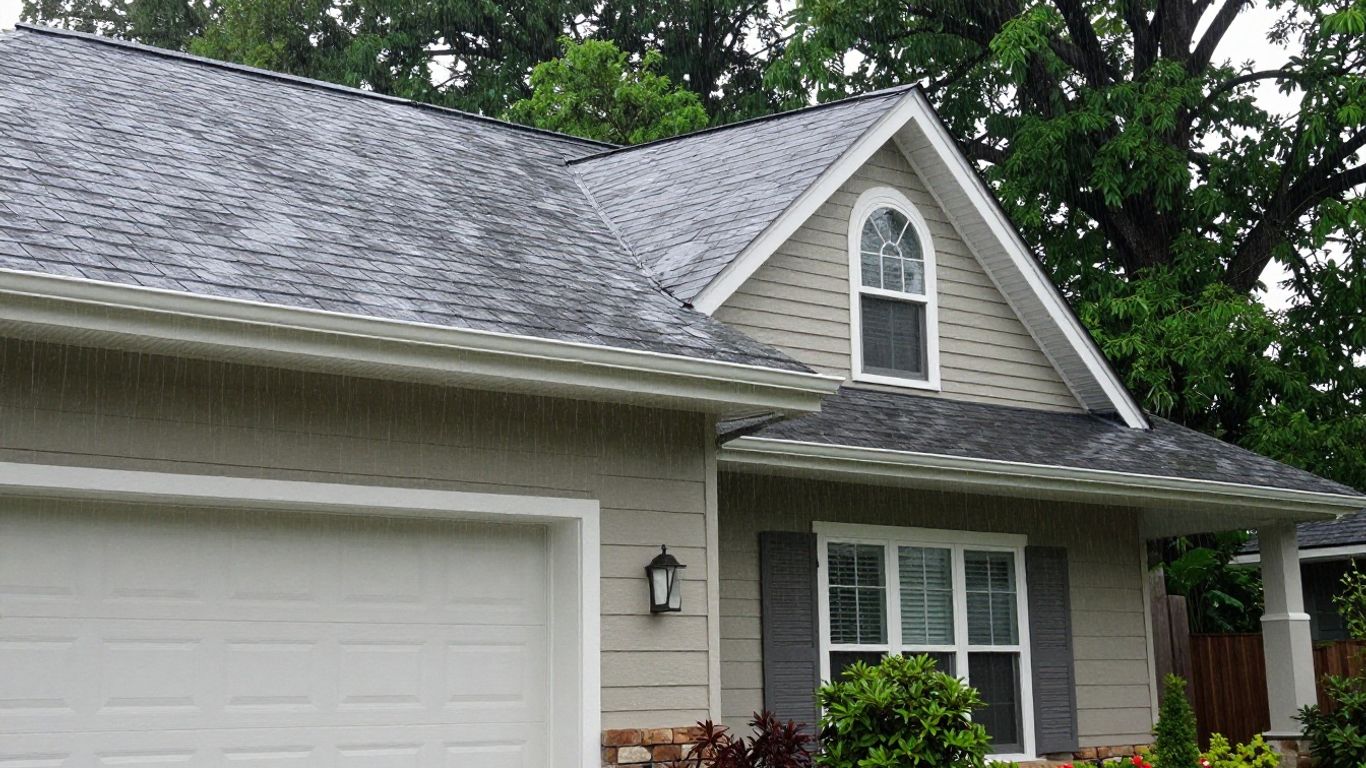
Atlas gutter guards are designed to keep leaves and fine roof debris out while allowing rainwater into the gutter. They can reduce ladder work, but they do not remove the need for inspections and occasional cleaning.
- Micro-mesh helps filter small debris, including pine needles and roof grit.
- V-Bend and Trough Technology are intended to support filtration, strength, and water flow.
- Existing gutters should be sound, properly sloped, and securely attached before installation.
- Total cost depends on gutter length, roof height, materials, access, and labor.
- Seasonal inspections remain worthwhile, especially after storms and heavy leaf fall.
What Atlas gutter guards are and how they work
Atlas gutter guards are gutter-cover products designed to admit water while filtering roof debris. The system is available in stainless steel micro-mesh and all-aluminum lines, according to the product information. The right choice still depends on the roof, nearby trees, rainfall, and condition of the existing gutters.
Micro-mesh filtration and V-Bend technology
The stainless steel version uses micro-mesh filtration to keep out leaves, pine needles, pests, and fine roof grit while allowing water to enter the gutter. V-Bend Technology adds strength and rigidity, improves filtration, and helps keep debris from sticking to the mesh. Trough Technology is described as supporting water flow through the guard.
These features address two common problems at once: large material collecting in the gutter and fine material forming a layer over the openings. Performance can still vary with local conditions, so the product should be viewed as a filtration layer rather than a promise of completely unattended drainage.
Stainless steel and aluminum construction
The product line includes stainless steel micro-mesh and all-aluminum options. Stainless steel micro-mesh is presented as the higher-filtration choice for fine debris, while the aluminum line offers an alternative construction. Compare the material, gutter condition, roof access, and installation method rather than choosing by appearance alone.
Material choice is only one part of a complete drainage system. A homeowner planning roof work may also benefit from reviewing Roofing 101, particularly the sections on roof edges, flashing, ventilation, and protecting the property during installation.
How Atlas guards handle leaves, pine needles, and roof debris
The guard is intended to keep leaves, pine needles, pests, branches, and roof grit out of the gutter while rainwater passes through. That makes the design especially relevant to homes beneath mature trees or in areas with regular rainfall. Heavy debris can still collect on top of the guard, so roof maintenance and periodic surface checks remain part of responsible ownership.
A clean roof edge also matters. Branches, moss, and loose shingle material can place more debris on any guard system, regardless of its filtration design. Reduced cleaning is not zero maintenance, and that distinction should shape both the purchase decision and the care schedule.
What still passes through the guard system
Water is the intended material to pass through the guard. Very fine particles may accumulate on the surface or move into the gutter over time, particularly where the roof sheds grit or the area receives heavy debris. Insects and other pests may also find openings around poorly fitted sections even when the mesh itself filters them.
Watch the downspouts as well. A guard can limit debris entering from above, but an existing blockage, undersized outlet, or poor discharge point can still cause drainage trouble. The guard is one component of the water-management system, not a replacement for sound gutters and working downspouts.
Evaluating whether Atlas gutter guards are right for your home
Choosing a gutter guard starts with the property, not the product box. Consider the trees around the home, the type of roof debris, the intensity of rainfall, and the age and condition of the gutters. A careful assessment can prevent installing a new cover over a system that already needs repair.

Homes and roof types that may benefit most
Homes surrounded by mature trees, exposed to pine needles, or located in areas with frequent rainfall may have a stronger reason to consider micro-mesh protection. The product information also identifies homes with wildlife or insect activity as possible candidates. Roof pitch and roof material should be reviewed because they affect how quickly debris reaches the gutter and how safely the work can be completed.
Two-story homes can also benefit from reducing the frequency of ladder-based cleaning, although access and installation risk should be assessed first. A roof with unusual valleys or concentrated runoff may require additional attention even when the straight runs are easy to cover.
Situations where gutter guards may not solve the problem
Guards will not correct gutters that are detached, badly sagging, leaking behind the fascia, or sloped incorrectly. They also cannot compensate for downspouts that are blocked or discharge too close to the foundation. Repairing the underlying drainage problem should come before covering the gutter.
Homes with severe roof deterioration may continue to shed grit and shingle fragments. Likewise, heavy storms can move branches and other material onto the guard surface. In those situations, the system may reduce some interior blockage while still requiring regular observation.
Comparing Atlas with other gutter guard designs
Gutter protection comes in several broad forms, including screens, foam inserts, brush systems, and micro-mesh covers. Compare how each design handles fine debris, how it attaches to the gutter, whether it can be cleaned, and how it affects water entry. Product claims should be considered alongside the home’s actual roof and weather conditions.
For a second perspective on micro-mesh products, Atlas Stainless Steel Micro-Mesh Gutter Guards are described as using V-Bend and Trough Technology, with a focus on filtration, strength, and water flow. That information is useful when identifying which features are documented rather than assuming every guard has the same construction.
Balancing reduced cleaning with ongoing maintenance
A guard can make gutter care less frequent, but it cannot make the roof, fascia, downspouts, or discharge areas disappear from the maintenance list. Decide whether the likely reduction in cleaning is worth the purchase and installation cost. The answer is often personal: a homeowner comfortable with ladders may value the system differently from someone with a tall home or limited mobility.
Before deciding, list the recurring work the guard may reduce and the work it cannot reduce. That simple comparison gives a more realistic view of value than treating any system as maintenance-free.
Atlas gutter guard installation options
Guard installation can be completed on existing gutters when those gutters are properly attached and in usable condition. The work involves more than placing sections over the top. Measurements, roof-edge details, fastener placement, gutter pitch, and downspout access all influence the result.
Installing guards on existing gutters
Existing gutters should be cleaned, checked, and tested before guards are fitted. Loose hangers, open seams, corrosion, and damaged outlets can become harder to reach after installation. If the gutter is too damaged to hold fasteners securely, replacement or repair may be more sensible than adding a cover.
The DIY installation guidance for Atlas Stainless Steel Micro-Mesh Gutter Guards discusses measuring gutters, cleaning debris, cutting sections, and securing them with screws. Homeowners should follow the product instructions for the specific kit and use safe ladder practices throughout the work.
Preparing gutters, fascia, and roof edges
Preparation begins at ground level with a visual review of the gutter line and downspout outlets. From a safe position, look for sagging, separation, peeling paint, water stains, and fascia damage. The roof edge should also be examined for loose material or conditions that could interfere with a close fit.
Roof work can involve unstable surfaces and hidden damage. A roofing reference such as Roofing 101 can help explain why decking, underlayment, flashing, and ventilation matter, but it does not replace an on-site assessment when the roof edge is unsafe or damaged.
Key steps in a professional or DIY installation
The exact sequence varies by gutter profile and kit, but a careful installation generally includes measuring each run, clearing and testing the gutter, cutting sections accurately, and fastening the guard without blocking outlets. Sections should meet cleanly and remain stable along the full run. A professional can also identify gutter repairs that should be completed before the cover is installed.
Work from a stable surface and avoid leaning beyond the ladder rails. Never use a ladder against a fragile roof edge, and stop if the height, pitch, or weather makes the task unsafe. A small measurement error can become a long section of poor fit, so patience matters.
Common installation mistakes that affect performance
The most common problems come from rushing the preparation or treating every gutter run as identical. Typical mistakes include:
- Fastening over loose or sagging gutters.
- Leaving debris beneath the guard or over the downspout outlet.
- Cutting sections too short or leaving large gaps at corners.
- Ignoring roof valleys and concentrated runoff areas.
These errors can lead to overflow, rattling, lifting, or debris buildup. A final water test and visual inspection from several angles can reveal fit problems before the next major storm.
Atlas gutter guard costs and value
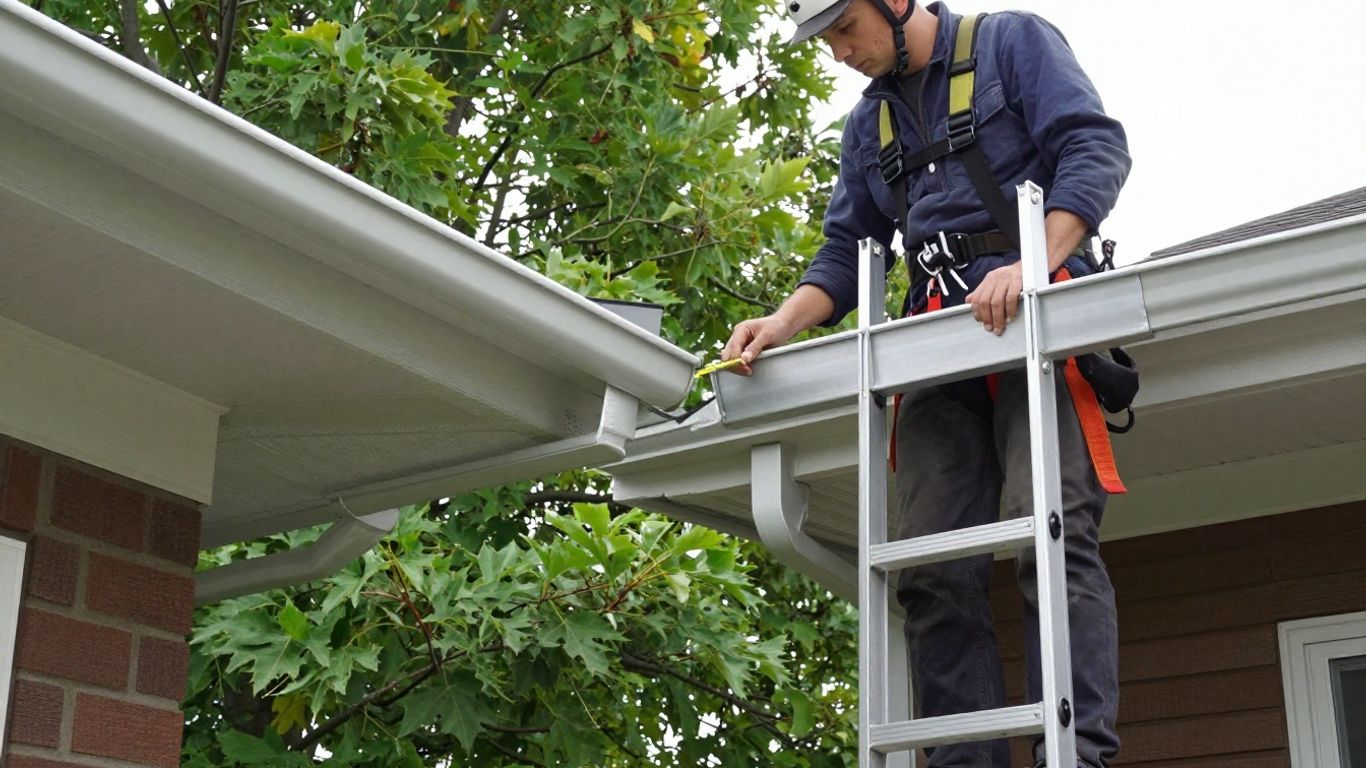
The price of a gutter guard project depends on both the product and the condition of the home. Linear footage, material, roof height, access, corners, valleys, and repairs can all change the scope. An accurate estimate normally requires measurements and an itemized review rather than a single universal price.
Factors that influence the total installation price
A quote may include guard material, fasteners, cutting, preparation, cleaning, repairs, and labor. Complex rooflines generally take more time than long, straight runs. Existing fascia damage or poorly attached gutters can add work before the guard itself is installed.
A useful estimate should identify what is included and what is excluded. For broader planning, this gutter installation cost guide explains why material and linear footage affect estimates and why property-specific measurements matter.
DIY material costs versus professional installation
DIY work may limit the bill to materials, tools, replacement fasteners, and disposal. Professional installation adds labor but may reduce measurement errors and address gutter defects before they are covered. The financial comparison should include ladder safety, time, roof access, and the cost of correcting an installation that performs poorly.
When comparing quotes, ask whether cleaning, corner cuts, outlet access, and minor repairs are included. This is similar to comparing any home improvement purchase: Design Concepts offers a useful reminder from another product category that material quality, durability, and maintenance should be considered alongside appearance and upfront price.
How roof height, gutter length, and access affect labor
Tall homes usually require more setup and stricter safety procedures. Long gutter runs may be efficient to cover, but multiple corners, dormers, valleys, and difficult access points increase the time needed for careful fitting. Wet weather and fragile landscaping can also affect how the work is staged.
Labor should reflect the actual access conditions, not just the number of feet. Ask how the installer plans to protect landscaping and whether the price changes for second-story sections, steep roof areas, or detached gutter segments.
When reduced cleaning can justify the upfront investment
Value is strongest when recurring cleaning is difficult, expensive, or hazardous. Mature trees, pine needles, frequent rainfall, and multi-story access can all make reduced interior debris worthwhile. Still, the calculation should include periodic surface cleaning and inspections.
A reasonable decision compares the installed cost with the expected time and cost of future cleaning, plus the importance of staying off a ladder. It should also account for the remaining life of the gutters; installing guards on gutters due for replacement may not be good value.
Maintaining gutters after Atlas guard installation
Gutter guards change the maintenance task rather than eliminating it. Instead of focusing only on clearing the inside of the gutter, homeowners should inspect the guard surface, edges, seams, downspouts, and roofline. A simple schedule helps catch small problems before water reaches the fascia or foundation.
Recommended seasonal inspection schedule
Spring and fall are sensible inspection points for many U.S. homes, with extra checks after severe weather or periods of heavy leaf fall. Homes beneath dense tree cover may need more frequent attention. Look from the ground first, then arrange safe access if the guard surface cannot be evaluated from below.
A maintenance calendar should reflect the local climate. Freeze-thaw regions, hurricane-prone areas, and dry regions with sudden heavy rain can place different demands on drainage equipment.
Removing buildup from the guard surface
Leaves, needles, blossoms, and roof grit can form a mat over the openings. Remove loose material with a soft brush or another method allowed by the product instructions, taking care not to bend the mesh or break its fasteners. Avoid forcing debris into the gutter or downspout.
Clean in manageable sections and observe where water seems to collect. If buildup returns quickly, inspect nearby branches, roof valleys, and the slope of the guard rather than simply cleaning more often.
Checking seams, fasteners, slope, and downspouts
During an inspection, check whether sections remain aligned and whether fasteners are tight. Look for gaps at corners, raised edges, sagging gutters, and signs that water is bypassing the front lip. Confirm that downspout outlets are open and that extensions carry water away from the foundation.
Keep a short record of what you find after each seasonal check. These four observations are particularly useful:
- Water enters the gutter along the full run.
- Guard sections remain stable at seams and corners.
- Downspouts discharge freely and away from the home.
- Fascia and siding show no new water staining.
The record makes recurring trouble easier to diagnose. It can also give a repair professional useful context if a storm later damages the system.
Signs the system needs cleaning, repair, or adjustment
Overflow, staining, wet foundation soil, and visible debris mats are reasons to investigate. A guard that has shifted may expose the gutter or create a channel where water skips over the front edge. Loose fasteners and damaged sections should be corrected before the next period of heavy rain.
Do not rely on a single dry-weather inspection. Water-flow problems often appear only during a storm, so note exactly where overflow occurs and whether it happens along a seam, corner, valley, or downspout transition.
Troubleshooting common Atlas gutter guard problems
Most gutter-guard problems are drainage or attachment problems rather than a simple question of whether mesh exists. Start with the symptom, then inspect the roof runoff path, guard surface, gutter pitch, and downspout. If the home is tall or storm damage is visible, professional assessment is the safer option.
Water overflowing during heavy rain
Overflow during a downpour can result from a debris mat, blocked downspout, poor gutter slope, inadequate capacity, or water moving too quickly from a roof valley. Check whether the problem is isolated to one section or occurs around the entire home. Do not assume replacing the guard will fix an underlying gutter or drainage issue.
Clear accessible obstructions only from a safe position and never stand on the roof to reach a guard. If water is pooling near the foundation, arrange prompt gutter or downspout service before repeated storms worsen the problem.
Guards lifting, sagging, or separating
Raised sections may indicate loose fasteners, damaged gutters, expansion and contraction, fallen branches, or an installation gap. Sagging can also begin in the gutter beneath the guard. Inspect the attachment points and the gutter hangers, but avoid forcing a section back into place if the fascia is soft or damaged.
After a storm, photograph the affected area from the ground and keep fallen branches clear of walkways. A repair provider can determine whether the section needs reattachment, replacement, or a correction to the supporting gutter.
Ice dams and winter drainage concerns
Ice and snow can interfere with roof runoff and place extra weight on guards and gutters. In cold climates, inspect before winter, keep downspouts as clear as possible, and watch for icicles, interior leaks, or water backing up at the eaves. Gutter guards alone do not resolve roof ventilation or ice-dam conditions.
Do not chip ice from a roof edge while standing on a ladder or roof. Those conditions can create a fall hazard and may damage shingles, flashing, mesh, or gutter sections.
When to call a gutter repair professional after a storm
Call for an assessment when a gutter has pulled away, a guard has detached across a long run, water is entering behind the fascia, or a downspout is crushed or disconnected. Storm damage can also hide roof-edge and fascia problems. The OnScene Gutters network covers gutter repair concerns such as leaks, sagging sections, clogs, and downspouts.
For context, a contractor’s website may also include a Local SEO Guide, while a treatment provider may publish a Braveminds Academy guide; neither changes the need for an on-site gutter inspection. Likewise, privacy details belong in a site’s Cookie Policy, not in a drainage diagnosis. The practical next step after storm damage is still a qualified inspection and an itemized repair recommendation.
Conclusion
Atlas gutter guards can be a useful part of a properly designed drainage system when their filtration features match the home’s debris and weather conditions. The best results begin with sound gutters, careful installation, and realistic expectations about seasonal inspection. Compare the full project cost, confirm the condition of the roof edge and downspouts, and address storm damage promptly.
Frequently Asked Questions
How often should gutters be cleaned?
Twice a year, commonly in spring and fall, is a standard starting point. Homes beneath heavy tree cover or exposed to frequent storms may need additional inspections and cleanings.
Do gutter guards eliminate gutter maintenance?
No. Guards can reduce debris entering the gutter, but the surface, seams, downspouts, roofline, and gutter attachments still need periodic inspection and occasional cleaning.
Can gutter guards be installed on existing gutters?
Often, yes, if the existing gutters are securely attached, properly sloped, and in good condition. Damaged or sagging gutters should be repaired or replaced before a guard is fitted.
Why do gutters overflow during heavy rain?
Common causes include blocked downspouts, debris on the guard, poor slope, undersized drainage, concentrated roof runoff, and water entering at corners or valleys.
Are micro-mesh gutter guards good for pine needles?
Micro-mesh designs are intended to filter small debris such as pine needles, but material can still collect on the surface. Local tree cover, roof condition, rainfall, and installation quality affect maintenance needs.
What should I check after a major storm?
Look for detached or sagging gutters, shifted guard sections, blocked outlets, damaged downspouts, new fascia staining, and soil erosion near the foundation. Arrange professional help if damage is difficult or unsafe to reach.
How can I compare gutter guard installation quotes?
Ask each provider to list measurements, materials, preparation, fasteners, repairs, labor, access conditions, and cleanup. An on-site review is more useful than comparing a single price per foot without knowing the project scope.