Key Takeaways
Investing in gutter protection is a choice that depends heavily on your local environment and maintenance habits, balancing initial costs against long-term property preservation. These systems serve as a functional layer between your roof and your drainage network, though they rarely eliminate the need for occasional site inspections.
- Gutter guards reduce the accumulation of large leaves and twigs in your trough system.
- They do not create a maintenance-free house; cleaning is still necessary periodically.
- Proper installation ensures that water does not spill over the edges during heavy rain.
- Guards can unintentionally cause ice dams in northern climates if the roof pitch is shallow.
- The decision to install them often hinges on whether your home sits near high-density tree lines.
Understanding the primary function of gutter systems
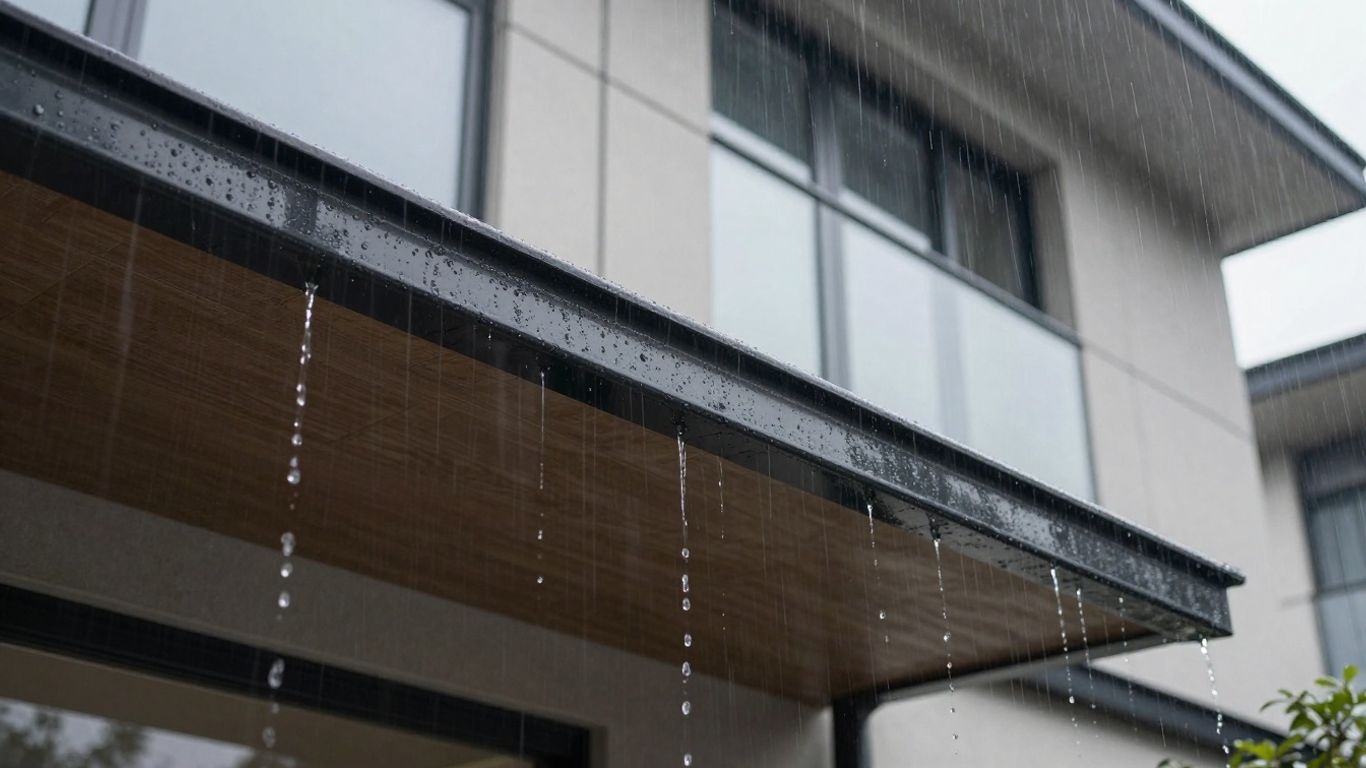
Many homeowners overlook their roof drainage until a major storm highlights a failure in the gutter hardware. Properly installed systems keep water moving off your shingles and away from your walls. When these channels take on debris, their performance drops, potentially leaving your property vulnerable to severe erosion.
The role of gutters in diverting roof runoff
Rainwater management begins at the roofline, where gutters must capture the volume of water falling across your siding. By routing this flow into downspouts, they ensure the moisture stays away from the structure. If you find your home is consistently struggling with runoff, you may need a water damage restoration guide to help you identify if current damage is already present.
How clogs lead to overflow and foundation saturation
A blocked gutter forces water to spill over the sides directly onto the soil near your foundation. Over seasons, this constant soaking shifts the ground, creating cracks or sinkholes. The team at Water Damage Repair USA often sees situations where simple debris management could have prevented significant stress on structural materials.
The link between gutter maintenance and basement flooding
Excessive water near the house base inevitably finds a way into crawl spaces or basements. Once water enters these lower levels, it can quickly become a destructive force that compromises your home's integrity. Routine clearing of downspouts remains the most effective deterrent for avoiding these wet-weather events.
Structural risks caused by water pooling near home framing
When water pools against wood framing, it encourages rot, mold, and eventual decay that may require heavy-duty repair. Preventing these risks allows you to maintain the long-term value of your property. If damage has already occurred, finding expert help through Water Damage Repair USA ensures that repairs are handled by qualified professionals.
The potential benefits of installing gutter guards
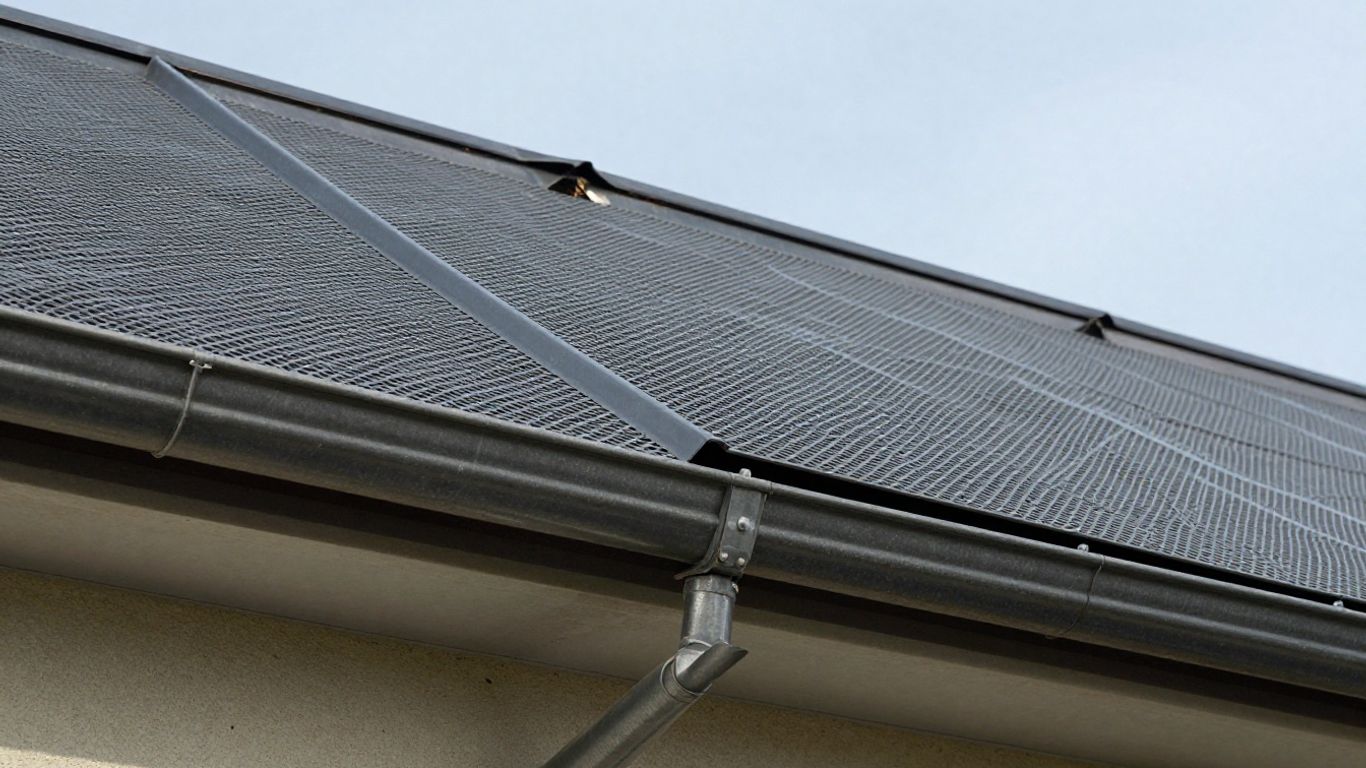
Homeowners naturally look for ways to minimize the dangerous and time-consuming chore of ladder work. By placing a barrier atop the troughs, you can theoretically keep the internals clean while allowing rain to pass. Many people wonder if are gutter guards worth it for their specific location, especially when they manage properties near heavy forest canopies.
Reducing the frequency of manual gutter cleaning
Guards excel at blocking chunky debris like falling leaves and branches that usually fill troughs during the autumn. You will still need to check the system, but the sheer volume of organic material requiring manual removal drops significantly. This helps homeowners avoid the physical risks associated with regular roof-level maintenance.
Preventing sediment and debris buildup in downspouts
Downspouts are notoriously difficult to clear once they are clogged with mud-soaked leaves or shingle grit. Guards stop the entry of larger pieces that block water flow, ensuring your vertical drainage stays clear. A well-maintained downspout is a simple insurance policy against water entering your cellar during heavy downpours.
Protecting fascia boards and siding from splashback
When water overflows from a stuffed gutter, it frequently drips back onto your fascia, leading to water staining or wood rot. Surface tension covers or even simple mesh help keep that water flowing down the pipes rather than hitting your exterior. This protection maintains your curb appeal and prevents premature paint failure on siding.
Extending the service life of your home drainage system
By keeping weight and wet debris out of your aluminum or vinyl channels, you prevent the sagging and warping caused by heavy, water-logged sludge. A cleaner gutter stays properly pitched, which is essential for consistent water discharge. Overall durability increases when the hardware remains lightweight and free of rotting organic matter.
Common drawbacks and persistent maintenance needs
Despite clever marketing, no product stays perfectly clean without intervention. Debris eventually finds its way over or through the barrier, leading to issues that can be deeper and harder to address than a simple open trough. You must plan for the eventuality that some sludge will settle inside the gutter regardless of the cover.
Addressing the myth of a truly maintenance-free system
Vendors often sell products as "install and forget," but nature always finds a way to deposit dust and seeds inside your troughs. If you neglect these systems, biological growth will flourish behind the cover. Recognizing this reality early prevents the shock of finding a full, clogged gutter beneath what appeared to be a shielded system.
Dealing with fine debris that penetrates protective mesh
Standard screens are designed for leaves, but fine pine needles and decomposed shingle grit easily slip through to form a wet paste inside. This sludge is prone to becoming a thick, heavy clump that traps even more water. Removing this requires taking off the guards, which creates a more intensive maintenance process than cleaning an open system.
Challenges of cleaning gutters after guards are installed
Once a system is screwed or clipped onto your roof edge, accessing the interior becomes difficult. Removing damaged guards often leads to warped mounting brackets or loose fasteners. If the system is not designed for easy user removal, you may find your annual gutter cleaning takes twice as long as it did before the upgrades.
Risks of ice damming and melting water backup in winter
In cold climates, guards can trap melting snow on the roof, which then refreezes and forms large ice dams. If the gutter is blocked by frozen guards, the water has nowhere to go but back under the shingles and into your attic space. Those living in northern regions should approach these installations with great care.
Evaluating the return on investment for property protection
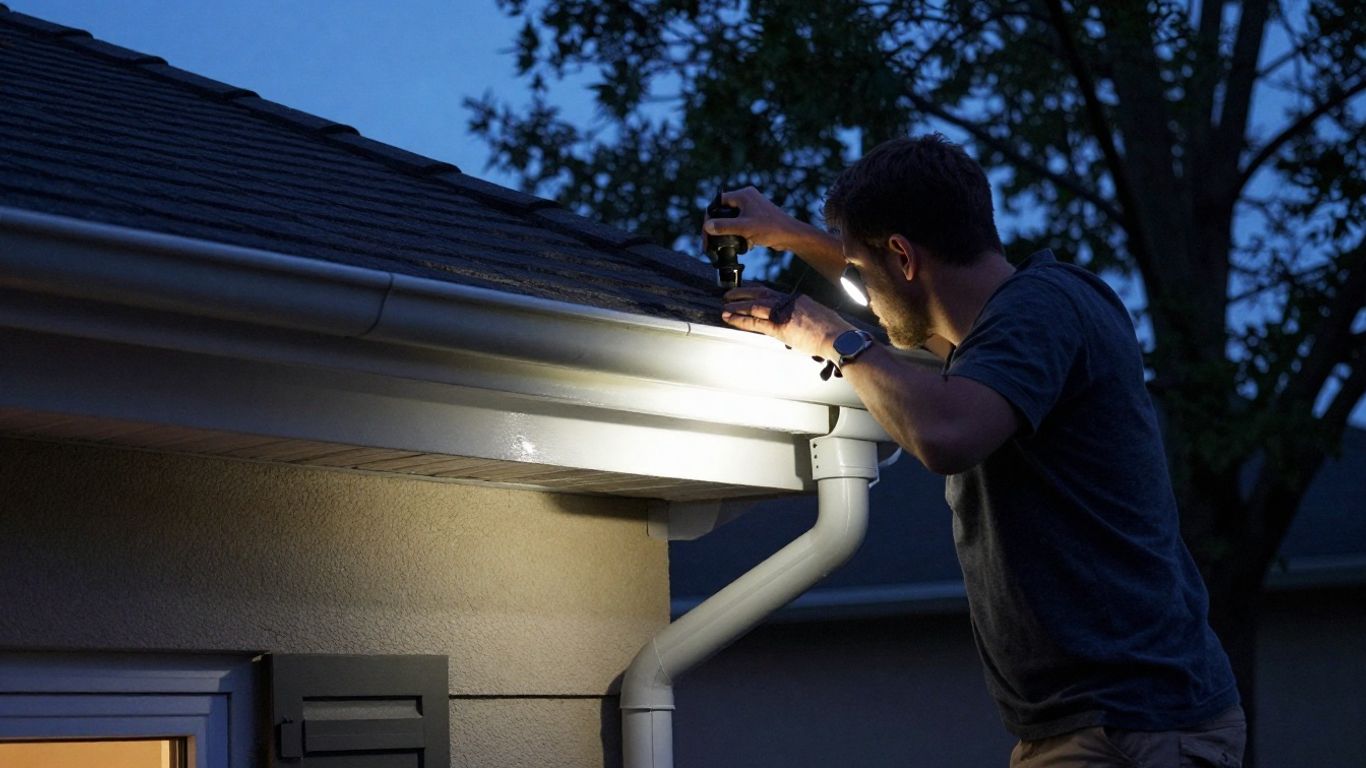
Deciding to spend money on roof accessories requires a clear view of potential savings against the cost of the hardware. For many, the value is found in the peace of mind during autumn storms rather than direct cash returns. You might review this water damage restoration guide to understand how the cost of an emergency leak repair compares to a one-time product investment.
Comparing professional cleaning costs against installation expenses
Calculating costs involves looking at how often you pay for cleaning services versus the upfront price of high-end guards. The breakdown in the following table highlights how different budget factors compete during the lifecycle of your home protection.
| Expense Factor | Annual Frequency | Estimated Cost Range | Impact Level |
|---|---|---|---|
| Basic Gutter Cleaning | 2 occasions | $150 - $400 | Moderate |
| Guard Installation | Once | $800 - $3,000 | High |
| Minor Gutter Repair | As needed | $100 - $300 | Low |
By comparing these figures, you can estimate if five years of reduced maintenance service offsets the product purchase price. For most homeowners, the value proposition is found when they can avoid a professional's ladder fees.
Preventing long-term structural degradation of exterior walls
Water damage is rarely immediate; it is usually a slow grind of moisture causing paint to peel or boards to rot. Guards slow the onset of these issues by keeping runoffs steady and predictable. An investment in high-quality materials acts as an invisible barrier protecting your investment property from gradual decay.
Avoiding emergency costs associated with water damage restoration
Emergency cleanup happens when water hits the wrong spot at the wrong time. By maintaining your gutters, you remove the primary catalyst for basement flooding or interior ceiling leaks. Prevention is almost always cheaper than the restoration services required after a major pipe or structural failure.
Assessing impact on home insurance claims for water-related damage
Insurance providers prefer to see that a homeowner has taken proactive steps to maintain their exterior drainage. While there is no universal discount for having guards, preventing a claim for a water-damaged interior is a massive financial win. It is best to avoid the headache of a filing entirely rather than relying on coverage that often has significant deductibles.
Comparing different types of gutter guard materials
Screen and wire mesh filters for general debris
These are the most common entry-level options found in local hardware aisles. They are easy to install but can struggle with smaller needles or seeds that fall from ornamental trees. They function best in areas where leaves are large and broad rather than fine and needle-like.
Micromesh systems for trapping fine organic material
Micromesh features an ultra-fine steel backing that catches even small sediment while letting water pass through. These are highly effective but require specific surface tension management to ensure the water does not flow right over the edge. They are usually the most durable but also the most expensive to purchase.
Reverse-curve covers and surface tension technology
These systems use a curved plastic or metal hood that allows water to wrap around the lip into the gutter while the debris falls off the edge. While clever, they require a precise installation angle to function. Many homeowners find that in heavy rains, the water flows straight off the surface and misses the gutter entirely.
Comparing metal durability versus plastic material performance
Metal options like stainless steel are superior for rust resistance and standing up to heavy snow loads. Plastic often degrades under harsh UV sunlight, becoming brittle or warping after only a few years in the heat. Paying for the metal variety is almost always better for the long-term utility of the hardware.
Factors to consider before selecting a gutter protection system
Mapping tree density and debris types on your property
Take note of whether those branches dropping near the home are pine needles or large oak leaves, as this will change the filter type you need. A heavy tree line might require a professional-grade guard, while an open lot with few trees might not need a guard at all. Always assess the specific environmental threats directly over your roofline.
Compatibility with existing gutter profiles and thickness
Your existing troughs come in various sizes, from K-style to half-round, and not every guard works on every shape. Forcing a clip-on guard onto a thin or warped gutter often causes the structure to bend further. Always measure the trough width and check the compatibility specs provided by the guard manufacturer.
Impact of installation on roofing manufacturer warranties
Some roofing companies have strict rules about how third-party hardware interacts with shingles. If you pierce or lift your shingles to slide a guard system into place, you could accidentally void your warranty. Contact your roofer before deciding on a product to ensure you keep your coverage active.
Choosing between professional installation and DIY kits
DIY kits appear affordable, but professional installations often include custom-fit pieces that actually stop debris correctly. If you are not comfortable performing detailed work on top of a tall ladder, a professional installer provides significant safety benefits. They also bring the right tools to ensure the pitch is adjusted for optimal water flow after the guard is clipped into position.
Conclusion
Deciding whether guards are the right addition for your home requires reflecting on your current maintenance budget and your specific environmental challenges. While no system completely removes the requirement for property care, a well-chosen guard can significantly reduce the potential for major damage to your foundation or framing. Prioritize durability and compatibility with your home to ensure that your investment pays off in years of reliable rain management.
Frequently Asked Questions
Do gutter guards really stop all debris from entering the system?
No, they cannot block every particle, especially fine dust or sandy grit from shingles that can bypass most screens. They focus on preventing large-scale clogs that cause water to back up, but you will still need to perform occasional inspections.
Should I worry about gutter guards during a heavy rainstorm?
If the guards are improperly pitched or matched to the wrong gutter capacity, they may cause water to sheet directly over the edge. Installing the right product for your roof size and ensuring a proper, slight slope toward the downspouts are essential to handling high-volume surges.
Will gutter guards prevent mold growth in my attic?
They help by keeping water moving away from the wall structure and preventing leaks that might introduce moisture into the attic. However, they are not a direct ventilation solution and cannot fix existing roof leaks or improper attic venting.
Can I install these guards if I am not handy with tools?
While many kits are sold as simple DIY options, installing them requires professional-grade equipment for safety and ensuring they fit the specific pitch of your trough. Using a professional to handle heights and custom fitting is recommended for most homeowners.
How often do I truly need to check my gutters once guards are on?
You should inspect them at least once a year, preferably in the spring or after the fall leaf drop, to ensure no debris has layered on top of the covers. Catching small overflows early prevents them from turning into larger structure problems down the line.
Do guards work for all roofing types like metal or slate?
They can, but the method of attachment must be carefully vetted for each roof material to ensure no damage occurs. You must always confirm with your roof manufacturer that the added weight or mounting brackets will not impact your existing coverage.
Are there any climates where you should never use gutter guards?
In regions with frequent heavy snowfall and freezing cycles, solid-style guards can create significant ice dams that trap water against the roof. Those in very cold, snowy climates often find that open-top gutters paired with regular winter heating cables are a more reliable method of preventing damage.