
Key Takeaways
Snap-in gutter guards are a popular entry-level choice, but their effectiveness depends heavily on local debris types and home maintenance efforts. Understanding their limits helps you decide if they are the right path for your specific gutter system.
- Snap-in guards offer a quick, tool-free installation for standard K-style gutter profiles.
- Success depends on your local landscape, as fine debris can easily bypass standard snap-in mesh.
- Professional systems provide superior long-term performance compared to retail, mass-market alternatives.
- Regular cleaning cycles remain necessary even with guards installed, specifically for post-storm debris.
- Monitoring for sagging or overflow is essential to prevent foundation water damage or fascia rot.
Types of snap-in gutter guards available at Home Depot
Material variations in retail gutter guards
Retail options typically feature aluminum, vinyl, or plastic mesh materials, each offering different durability profiles. While plastic variants are generally the most affordable, they tend to become brittle under intense UV exposure and may warp over time. Metal-based snap-in screens are slightly more resilient and can hold their shape longer against heavy water flow. Homeowners often find that these materials serve as a basic line of defense against larger leaves but may struggle with smaller detritus.
Design features for standard K-style gutters
The most common designs leverage a simple friction-fit mechanism that hooks onto the outer lip of your gutter and tucks under the roof shingles. These units are specifically engineered for the ubiquitous K-style home profile, which features a decorative, ogee-shaped front. Because they do not require rivets or screws, they are designed to adjust slightly to the curvature and angle of your specific roofline, providing a somewhat flush, unobtrusive look from the street.
Compatibility considerations for different system profiles
It is vital to recognize that not every gutter system is built the same, and your roof pitch significantly influences compatibility. If you have a steep slope or specialized gutter styles, such as box gutters, these general-purpose retail guards often fall short in providing a secure, leak-proof seal. Always double-check your existing gutter width before purchasing, as fitting a five-inch guard onto a six-inch system will create gaps that invite debris and pests directly into your downspouts.
Understanding the installation process for snap-in systems
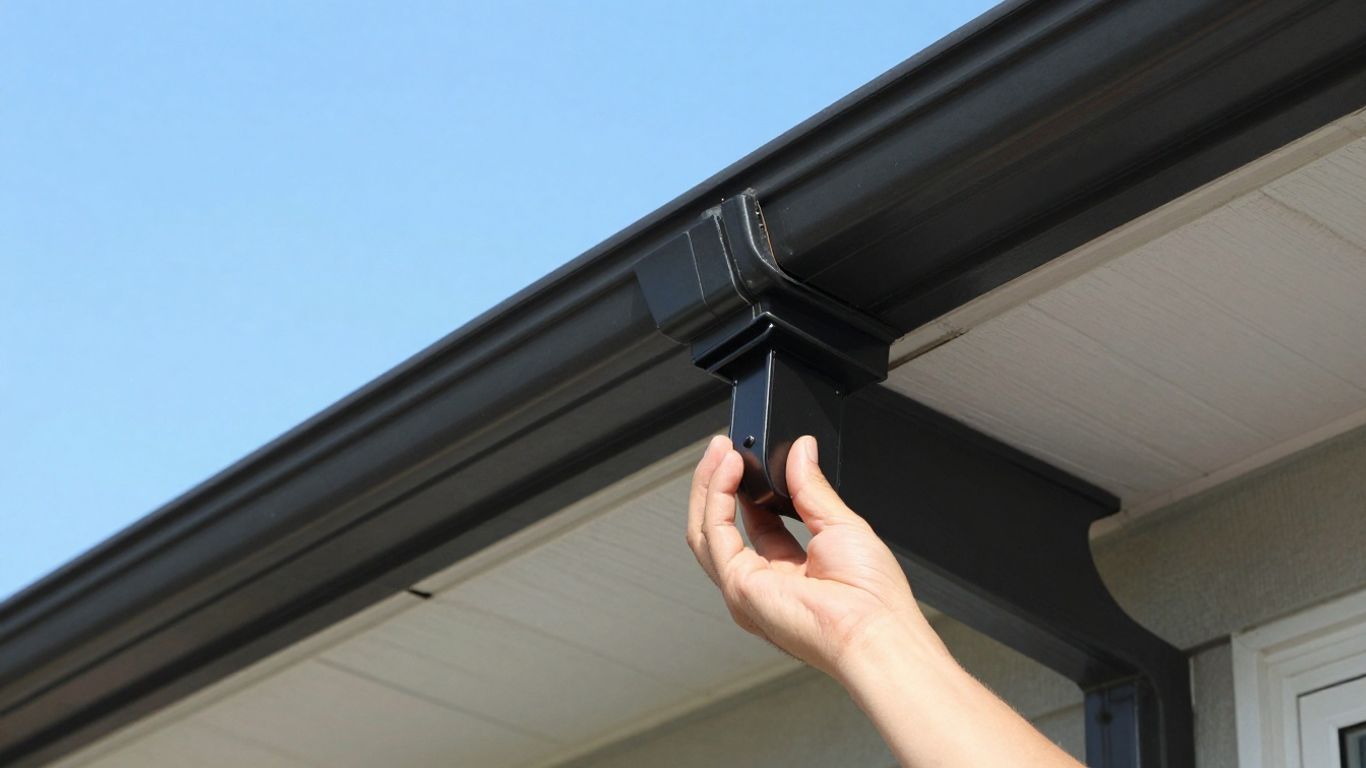
Preparing the gutter channel for debris-free installation
Before you snap anything into place, you must thoroughly clear the existing debris to prevent trapped organic matter from accelerating rust or rot. Once the channel is spotless, take a moment to perform a quick check for loose hangers or damaged seals, as the weight of wet leaves can pull even a secured guard out of alignment during a storm. Integrating a gutter cleaning service can save you the physical risk while ensuring the foundation is clean and ready for hardware.
Tips for securing snap-in clips without specialized tools
Installing these guards is intentionally marketed as a simple process, often requiring little more than a steady hand and a ladder. When locking clips into place, try to maintain a gentle, consistent pressure rather than forcefully pushing, which can cause the casing to buckle or the seam to pop out. If you are experiencing difficulty, a simple multi-surface cleaner can lubricate the friction points slightly, though it is best to avoid harsh chemicals that might degrade the guard finish.
Ensuring a wind-resistant fit for your specific gutter size
Wind can be a major factor in dislodging loosely fitted snap-in guards, especially during autumn in regions prone to heavy gusts. For the most secure result, ensure the guard is tucked firmly underneath the shingles and that the outer snap-clip is flush against the lip of the gutter. You can consider the following indicators of a stable, wind-resistant installation:
| Feature | Status | Impact |
|---|---|---|
| Tight Seal | Confirmed | Prevents wind uplift |
| Proper Pitch | Checked | Ensures water diversion |
| Firm Clip | Locked | Withstands heavy storms |
After ensuring these benchmarks are met, your gutter system should stand firm against moderate weather events without rattling or shifting along the rain channel.
When snap-in guards are the right choice for your home
Evaluating leaf volume in your immediate landscape
Homeowners with sparse vegetation or low-shedding trees often find that snap-in guards meet their needs perfectly well for simple water deflection. If your property only sees occasional seasonal shedding, these guards can prevent the bulk of the larger material from turning into a clog. However, if your yard is dominated by mature oaks or dense maples, the sheer volume of debris can overwhelm these basic screens quickly.
Cost-benefit analysis for budget-conscious homeowners
These retail guards are an accessible starting point, effectively lowering the financial barrier for home maintenance compared to a full-system gutter guard installation. When evaluating costs, keep in mind that the primary value is in reducing the frequency of manual cleanouts rather than eliminating them entirely. For property owners looking to avoid major structural repairs, investing in preventative maintenance is often a smart move that yields long-term savings on emergency gutter repair.
Ease of removal for seasonal gutter cleaning cycles
One significant advantage of the snap-in design is its intentional ease of removal, which allows you to inspect the system when you hit that inevitable afternoon slump. Because they aren't permanently fastened to the roof or fascia, you can easily pull them off to flush the remainder of the system during your bi-annual maintenance day. This level of accessibility is helpful for those performing their own property care, ensuring you keep the gutters clear even if the guards can't catch everything.
Common limitations and performance issues to monitor
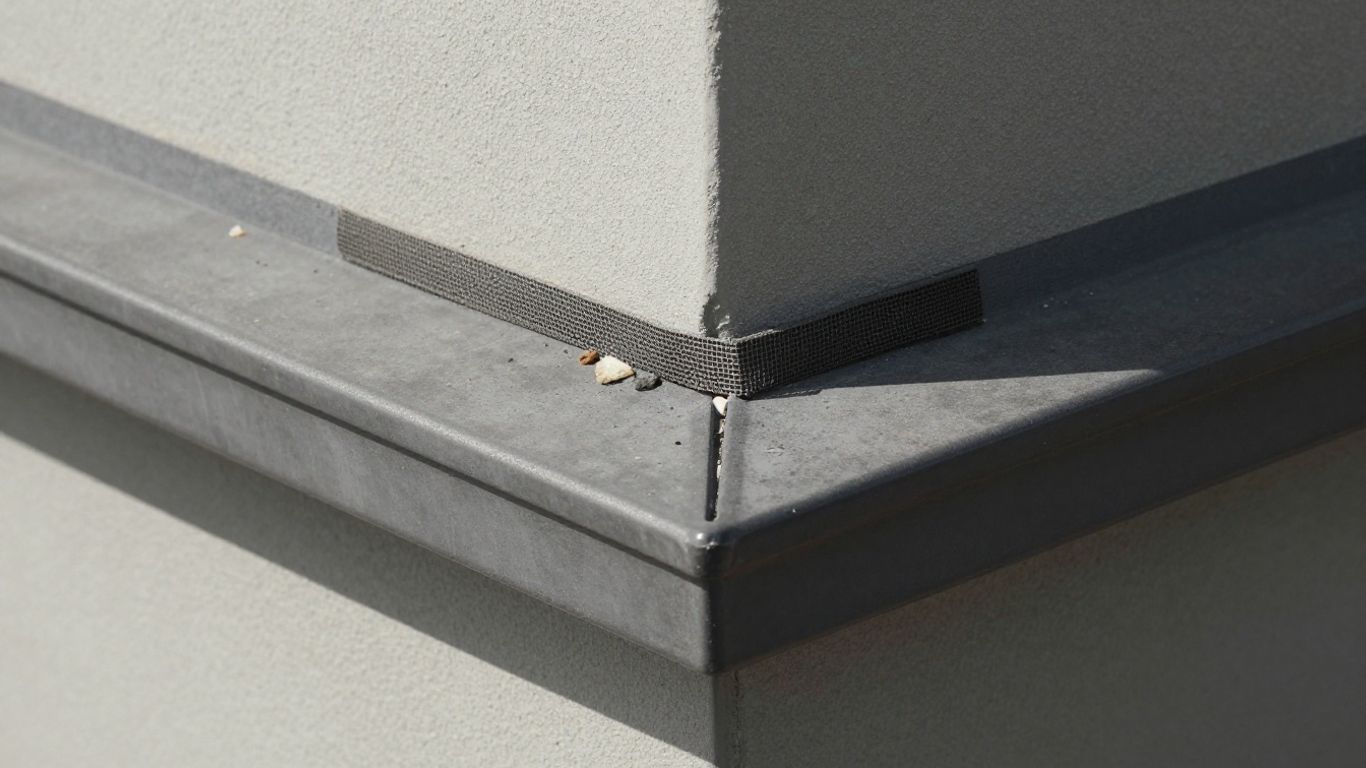
Potential for small debris penetration over time
While primary filtration is simple, these guards struggle significantly with tiny materials that eventually bridge the gap between the guard and the gutter floor. Once these small bits settle, they interact with moisture to create a sludge that is often harder to remove than dry leaves. For a deeper look at managing specific debris profiles, we recommend reading the expert insights from the Best Gutter Guards for Pine Needles testing report, which highlights why standard retail options often fail against smaller, sharper debris.
Risk of clogging with fine pine needles and sediment
It is common to find that pine needles, thanks to their needles, slip right through the wide perforation patterns of basic snap-in systems. Once inside, they act like a filter for silt and sediment, rapidly forming a solid mass that shuts down drainage completely. If you spot these needles gathering along your roofline, it is a clear sign that you might need a more specialized system or an emergency gutter repair professional to remediate the potential overflow issues.
Why these systems may overflow during intense storm events
During heavy rains, snap-in systems can sometimes act as a barrier to the intake of water itself rather than letting it flow into the channel. If the mesh is already partially covered by wet leaves, the water will simply sheet over the top, potentially causing erosion near your home's foundation. Homeowners should observe their gutters during a moderate shower to ensure the water is channeling into the downspout as expected rather than cascading over the sides. 1. Monitor your gutters during a heavy storm. 2. Observe if water drips over the outer edge. 3. Check if corners collect pooling water. 4. Clear any localized debris blocks immediately.
Comparing DIY snap-in guards to professional systems from OnScene Gutters
Durability differences between mass-market and professional-grade materials
Mass-market guards often prioritize volume and shelf-space efficiency, which limits the thickness and material grade used. In contrast, professionals emphasize structural integrity through the use of reinforced, high-gauge metals that do not sag under the weight of wet debris. These professional gutter systems are built to remain rigid through multi-seasonal cycles, whereas retail options often show signs of metallic fatigue or plastic degradation within a couple of years.
Situations where professional assessment is superior to DIY solutions
When you suspect your gutter issues stem from foundation-adjacent pooling or structural concerns, a professional eye is essential. DIY solutions address the symptoms—the leaves—but they do not account for the underlying pitch or drainage flow issues that often contribute to severe leakage. A trained contractor can identify whether your gutters were improperly sloped during the initial install, saving you from a cycle of temporary fixes that don't solve the core problem.
Why professional installation prevents common gutter sagging issues
Professional systems often utilize advanced bracket attachments that reinforce the gutter's connection to the fascia, preventing it from pulling away during heavy snow or ice. This type of systemic support is rarely achieved by DIY snap-in clips alone. By ensuring the proper weight distribution of the gutter itself, professional installation provides peace of mind that a DIY project simply cannot replicate for property-wide durability.
Essential maintenance for snap-in gutter guards
Visual inspection checklists for post-storm assessments
After any significant wind or rain event, take ten minutes to walk the perimeter of your home and look for obvious signs of malfunction. Check that all snap-in segments remain level, as a single buckled guard can lead to overflow on the entire section downstream. If you notice any detached corners or gaps, correct them immediately to ensure small vermin or debris does not gain entrance to your interior system.
Techniques for clearing fine debris from the guard surface
While you should avoid hosing down your roof, a soft-bristled brush is often all you need to clear dried leaves and pine needles from the surface of your guards. For more stuck-on sediment, a low-pressure spray can help clear the mesh, provided you approach it from the correct angle to avoid forcing dirt into the gutter. Ensure you always prioritize safety above all else, keeping your ladder placement secure and firm at all times.
How to identify when it is time to replace damaged guard sections
If you see sections of the mesh that have permanently bent, cracked, or lost their tension against the gutter wall, it is time for a refresh. Damaged guards don't just look poor; they create gaps where debris can accumulate specifically at the fault line, creating concentrated weight that can hasten overall gutter failure. Upgrading these small sections annually maintains the efficiency of the entire perimeter.
Conclusion
Snap-in gutter guards from retail locations like Home Depot offer a practical, budget-friendly entry point for homeowners looking to reduce manual cleaning requirements for standard K-style systems, provided the local landscape allows for it. While these systems are relatively simple to install and maintain for light debris, they are not a substitute for the structural benefits and durability provided by custom professional installations. By understanding that these guards are a baseline tool rather than a maintenance-free solution, you can take proactive steps to protect your foundation, clear debris regularly, and decide when it is time to shift toward more robust, professional-grade water management solutions tailored to your unique property.
Frequently Asked Questions
Do snap-in gutter guards require special tools for installation?
Snap-in gutter guards are specifically designed for easy installation without the need for specialized construction tools, as they typically use simple tension or friction clips to attach directly to the gutter lip.
Can snap-in guards be installed on any type of gutter?
Most snap-in guards are engineered for standard K-style gutters, making them incompatible with many other profiles such as half-round or box-style gutters without significant modification.
Do snap-in guards completely eliminate the need for gutter cleaning?
No gutter guard is truly maintenance-free; while these screens reduce the frequency of manual cleanouts, you must still conduct regular inspections to remove smaller, fine-grained debris that may gather on the mesh.
Why are my snap-in guards sagging in the middle of a run?
Sagging usually indicates that the guard has either lost its tension or the gutter itself is struggling with the added weight of wet debris, often requiring an adjustment to the hanger spacing or a full inspection of the gutter system.
Are plastic snap-in guards durable in extreme weather?
Plastic variants tend to be less durable than their metal counterparts, as they often become brittle under intense UV exposure and may lose their ability to snap securely into place after a few years of harsh seasonal changes.
How do I know if my gutter guards fit correctly?
A correctly installed guard will sit flush against the outer gutter lip with no visible gaps between the mesh and the shingles, ensuring all water is directed into the channel rather than over the sides.
What happens if I keep my gutter guards on during the winter?
If you live in a region that experiences heavy snowfall, leaving your guards in place can sometimes obstruct ice melt or contribute to ice dam formation, so it is wise to consult site-specific seasonal maintenance guidance for your climate.