Key Takeaways
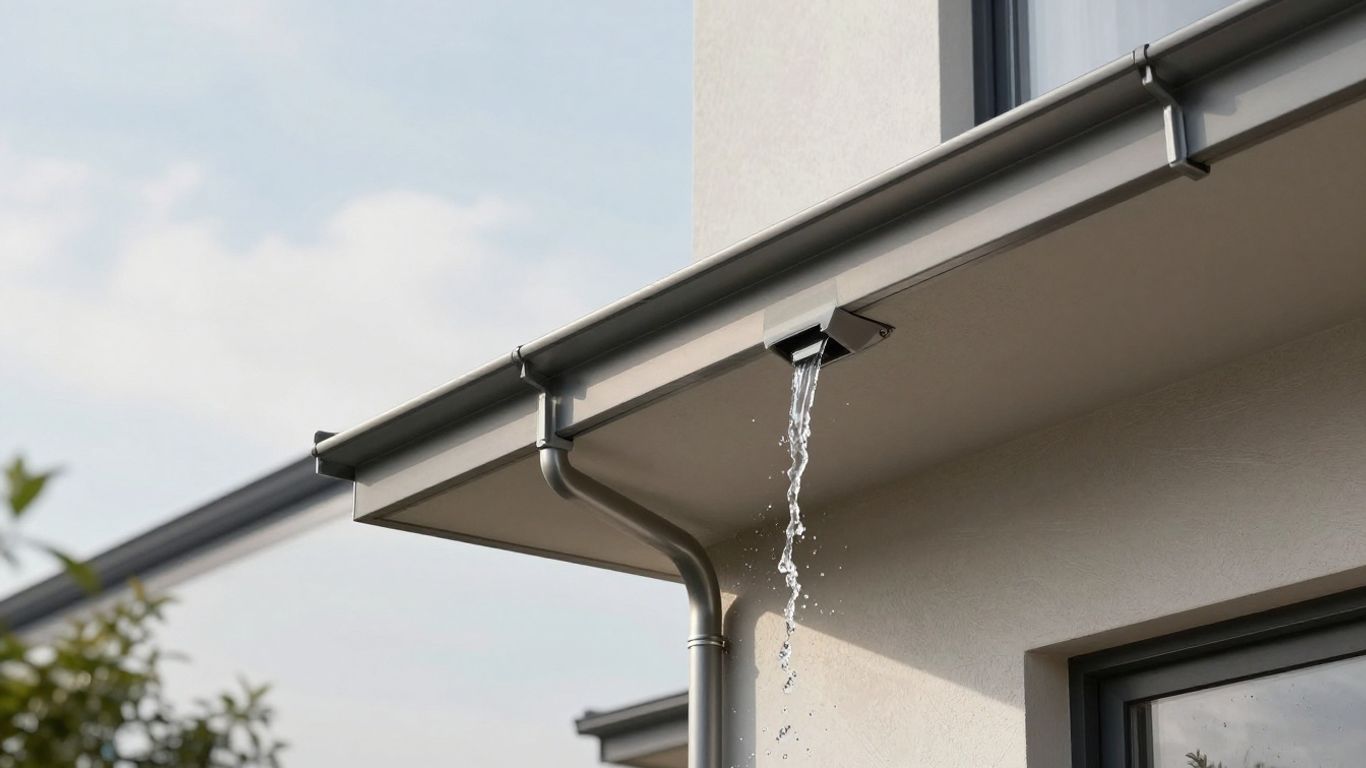
A professional gutter system is vital for keeping your Philadelphia home safe from water-related damage. Consider these points before you start your project.
- Proper drainage prevents long-term foundation cracks and basement flooding.
- Seamless aluminum is a top choice for durability and minimal maintenance.
- K-style profiles offer excellent water capacity during heavy city thunderstorms.
- Installation costs vary based on roof complexity, home height, and material choice.
- Regular seasonal cleaning and inspections extend the life of your entire gutter system.
Understanding the importance of proper gutter systems in Philadelphia
Rainwater management is not just about keeping the porch dry in Philly; it is a critical infrastructure component for your building. When rain hits the roof, it needs a clear, unobstructed path to travel away from your walls and base. Ignoring this can lead to compounding issues that only grow more expensive the longer they are left unaddressed.
Managing local rainfall patterns
Philadelphia experiences significant shifts in weather, ranging from intense summer thunderstorms to seasonal freezes. The sheer volume of water during a heavy storm can overwhelm older or poorly maintained gutters. A properly sized system ensures that water is channeled efficiently into downspouts, preventing the overflow that often plagues local properties during the peak of summer.
Protecting your foundation from water damage
Your home’s foundation is only as strong as its ability to repel moisture. When gutters fail to carry water far enough away from the base of your home, the ground around the foundation becomes saturated. Through the freeze-thaw cycles common in Pennsylvania, this saturation often leads to shifting soil and, eventually, costly structural compromise to the concrete itself.
Preventing basement flooding and soil erosion
If you have a finished or even partially used basement, water infiltration is your greatest enemy. Overflowing water that pools around the perimeter of your home will inevitably search for the path of least resistance through cracks in your foundation walls. Correcting the slope of your gutters and ensuring discharge is funneled away is the first line of defense against significant basement seepage and the loss of manicured landscaping due to soil erosion.
Mitigating potential structural damage to fascia and soffits
The wood behind your gutters, known as the fascia, is susceptible to rot when those gutters leak or overflow. When wood stays damp for long intervals, it softens and creates the perfect environment for mold and pests. Keeping the system tight prevents this damage, sparing you from expensive exterior wood repairs down the line.
Choosing the right gutter material for your Philadelphia home
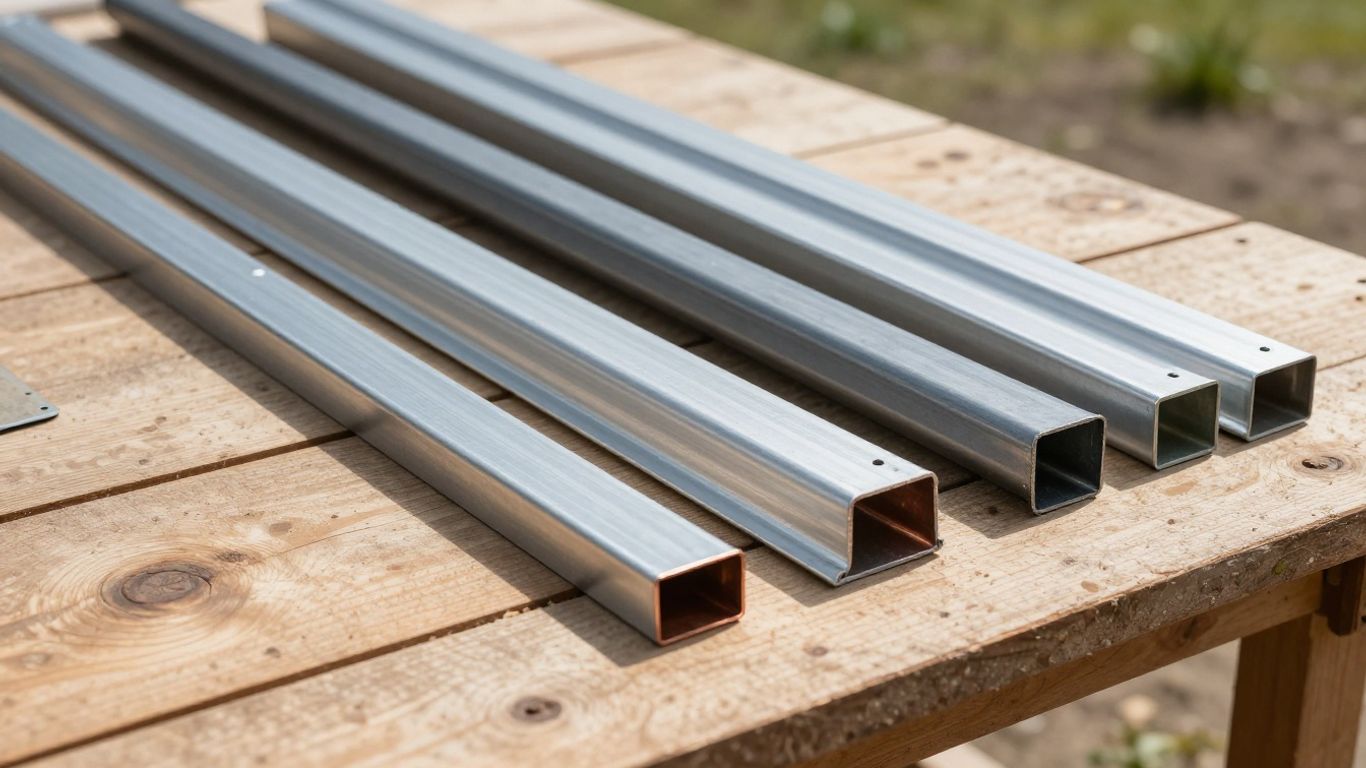
Selecting a material is about balancing your budget with the longevity you expect from your property investment. Because every house in the area has different needs, ranging from historic rowhomes to suburban dwellings, the market offers several high-quality options meant to perform in our regional climate.
Benefits of seamless aluminum systems
Seamless aluminum is widely considered the standard for residential performance because it lacks the seams that typically cause leaks over time. By using OnScene Gutters to connect you with professional contractors, you ensure that these systems are crafted to fit your roof perfectly, minimizing any potential entry points for moisture.
Aesthetic appeal and durability of copper gutters
For homeowners looking to improve their property value, copper remains a premium choice that ages gracefully with a distinct patina. Beyond its appearance, copper is incredibly durable and can last for decades. Its inherent strength makes it resistant to the thermal changes that cause other metals to expand and contract, making it a reliable, long-term asset.
Comparing steel and vinyl options for local climate conditions
Steel is a sturdy option if you live in an area with high impact risk, providing extra rigidity throughout the winter months. Vinyl, while budget-friendly, can sometimes be brittle in extreme freeze-thaw events, which is why most OnScene Gutters partners recommend metal alternatives for homes in Pennsylvania. Before you decide, consider the environmental factors that your local gutter installation near me experts might point out.
Matching gutter material to your home’s architectural style
Your choice should reflect the era of your home, especially if you reside in a historic part of the city. A sleek aluminum profile works wonders on contemporary builds, while half-round copper is often the preferred choice for restoration projects involving brick or stone character homes. The goal is to choose a material that elevates your curb appeal while performing the essential task of water management.
Deciding between K-style and half-round gutter profiles
Choosing the right profile is as much about water capacity as it is about the visual lines of your roofline. Profiles are designed to handle specific volumes of water, and understanding the nuances of how they function ensures you receive the best protection for your unique roof architecture.
Understanding K-style gutter efficiency in heavy storm events
K-style gutters feature a flat back and a decorative ogee curve front, making them highly efficient at handling high volumes of water. Because of their flat base, they are surprisingly rigid and can be mounted directly to the fascia, which is a major benefit for many standard suburban homes that need to manage large surges during spring storms.
Utilizing half-round profiles for traditional or historic home restoration
If you own a classic Philadelphia rowhome, half-round profiles often provide the most authentic look. These gutters mimic the style of early drainage systems, utilizing round brackets and hangers that complement aged architectural features rather than clashing with them. They are a staple in historic neighborhood restorations where visual integrity is just as important as function.
Evaluating weight capacities for heavy regional snowloads
Heavy winter snow can put significant pressure on your hanging systems. A profile that provides high structural integrity is essential in northern climates. When evaluating options, discuss how specific hangers and brackets will interact with your chosen profile to ensure the system doesn't buckle under the weight of accumulated ice and snow throughout the winter.
Selecting the right profile for optimal aesthetics and drainage
Ultimately, your choice is a balancing act. You need to ensure the profile is deep enough to prevent splashing while matching the aesthetic of your siding and trim. Many homeowners opt for K-style due to its high efficiency-to-cost ratio, yet half-round remains the clear winner when preservation or elegance is the primary concern.
Factors influencing the cost of gutter installation in Philadelphia
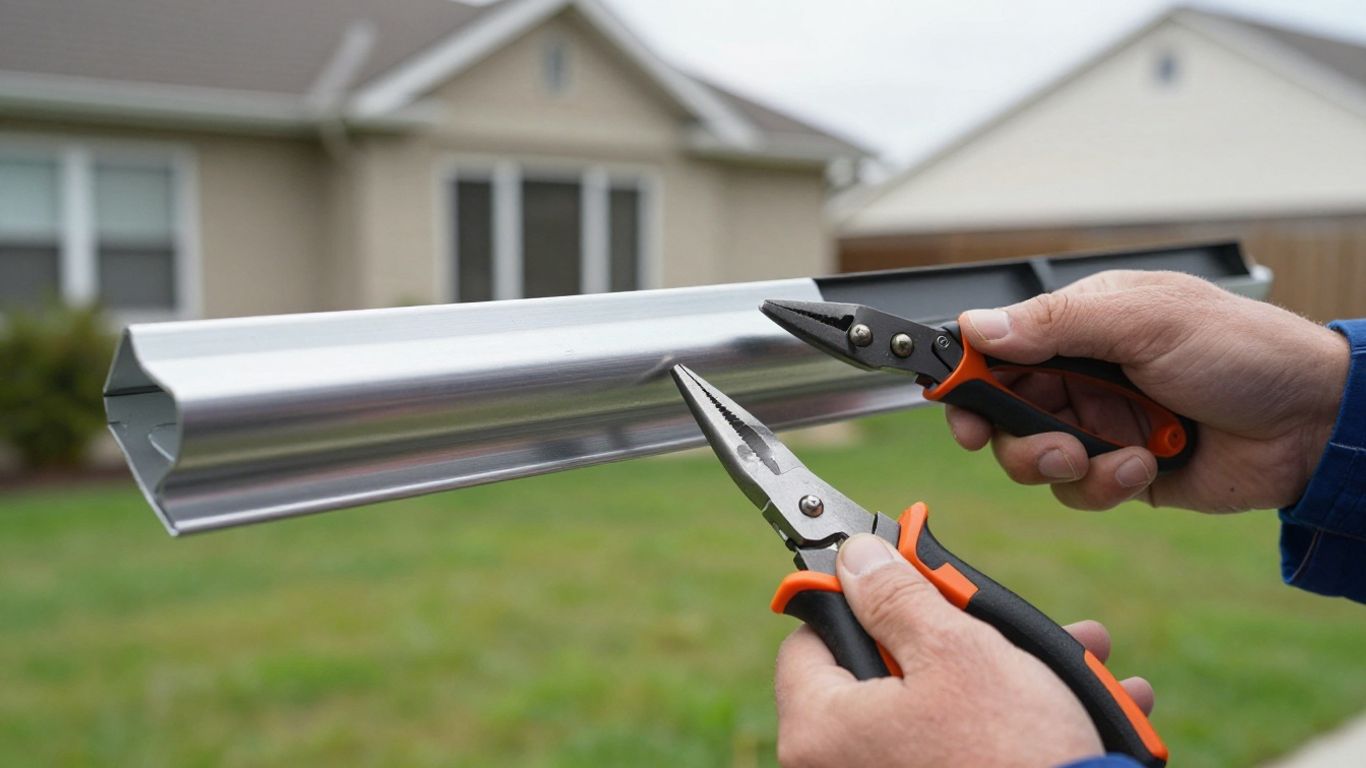
Budgeting for a project like this requires looking at the big picture rather than just the material cost. Labor, accessibility, and the condition of what is already there will dictate the final total you see on your estimate.
Calculating costs based on total linear footage and roof complexity
Total footage forms the baseline for the price, but the number of turns, corners, and downspout placements also increases the hours of labor involved. A simple gable roof is much faster to outfit than one with multiple dormers or complex angles that require extra precision and customized sealing.
Impact of roof pitch and home height on total labor expenses
Steeper roofs and multi-story homes require extra safety equipment and time, which will reflect in the labor portion of your bill. Professionals must set up scaffolding or special ladder stabilizers to work safely at heights, and these safety measures contribute to the overall time taken to finish the job correctly.
Factoring in the removal and safe disposal of existing systems
Most homeowners overlook the effort required to rip out and properly recycle old, rusted, or sagging gutters. This step is a prerequisite to any new installation because the fascia must be inspected and possibly repaired before the new hardware is attached to the home.
Budgeting for value-added accessories like gutter protection
Adding guards or leaf screens is an upfront expense, but it often lowers long-term maintenance costs. These additions help keep heavy debris out of the troughs. Many customers find that adding these accessories at the time of initial installation is far more cost-effective than adding them as a secondary service later on.
The process of professional gutter installation
When you hire a pro to manage your drainage, the installation follows a deliberate, step-by-step approach meant to ensure years of performance. This phase is where quality workmanship truly shines, as the difference between a long-lasting system and one prone to leaks often comes down to precise execution of these tasks.
On-site custom roll-forming for continuous, leak-free results
Modern installations rely on portable machines that create the gutter profile on-site. The key advantage here is that the gutter can be formed in one continuous stretch, cutting down significantly on the number of seams or joints. A continuous run means the water path is smoother and the risk of drip points at joints is nearly nonexistent.
Ensuring correct gutter slope for optimal water flow
Installing a gutter perfectly level is actually a mistake because water needs a slight incline to reach the downspout. The pros at OnScene Gutters understand that a precise descent—typically defined by specific measurements per foot—is necessary to keep the system self-cleaning. If the slope is too flat, water pools; if it is too steep, the aesthetics are off and the flow can become turbulent.
Secure bracket and hangar placement for long-term wind resistance
Properly hanging the system involves professional-grade hardware spaced out to prevent sag. Hangers act as the backbone of the entire installation. Experienced contractors typically follow a structured technical approach to maximize durability against the wind and snow loads common in our area. The installation process generally follows these steps for structural integrity:
| Installation Phase | Key Focus Metric |
|---|---|
| Bracket Spacing | Maximum 24-inch intervals |
| Downspout Anchoring | Two straps per vertical run |
| Joint Sealing | Premium weather-resistant silicone |
Properly sealing end caps and corner joints
While seamless runs eliminate middle seams, corners are unavoidable for most homes. These joints are the most common failure point if they aren't sealed with care. Professionals use heavy-duty, UV-stable sealant to bond components, ensuring that even under thermal expansion, the connection remains waterproof and flexible.
Maintaining your new gutter system
Keeping your home safe doesn't stop once the contractor pulls away from the curb. Even the highest-quality system requires a modest amount of attention to ensure it stays in peak condition throughout the changing seasons. Taking these small steps will help your system maintain its performance for years to come:
- Perform a mid-spring check to clear out the last of the winter debris.
- Monitor your downspouts for any clogs near the bottom.
- Flush the gutters with a garden hose to check for blockages twice a year.
- Verify that all fasteners are tight during your autumn maintenance walkthrough.
Establishing a seasonal cleaning schedule for spring and autumn
Routine cleaning should be a non-negotiable part of your home maintenance calendar. Following the fall leaf drop is obviously vital, but don't ignore the spring cycle, when seeds, pollen, and small twigs can easily create temporary clogs that stop water in its tracks. Regularly clearing this debris is the best prevention for structural rot.
Recognizing early warning signs of sagging or detached sections
Keep your eyes on the fascias and check for any gaps where the gutter might be pulling away from the wood. A gutter that sits even a few degrees out of position can result in inefficient water drainage that spills over the wall and hits your siding. If you notice persistent dark marks or peeling paint on your trim, those are your primary red flags that it is time for a professional inspection.
Managing debris buildup to prevent winter ice dam formation
Ice dams are a persistent problem in our region, often fueled by debris-filled gutters that slow down drainage during early-winter freezing. When cold air hits melting snow that is trapped by blockages, ice accumulates rapidly. Keeping the channel clear is essential to help that water find its way to the ground before it can freeze and back up under your shingles.
Tips for extending downspouts to improve long-term foundation protection
If your downspouts are only dumping water directly onto your lawn right next to your foundation, you are asking for trouble. Ensure that your downspout extensions reach at least four to six feet away from your home’s edge. This simple, low-cost extension is one of the most effective ways to ensure the heavy runoff actually gets far away from your walls and basement, protecting the soil and your investment.
Conclusion
Managing water efficiently is the bedrock of home preservation in the Mid-Atlantic. By choosing the right materials, prioritizing seamless installation, and keeping up with basic cleaning, you can effectively ward off the foundation issues, basement seepage, and wood rot that plague so many local properties. Whether you are ready to replace an aging system or simply need a professional to look over your current setup, taking action now keeps your home secure and dry for the long haul.
Frequently Asked Questions
How often should I have my gutters cleaned?
A standard rule of thumb is twice each year, specifically once in the spring and once in the autumn, though homes with heavy surrounding tree cover may require more frequent attention.
What are the main signs that it is time to replace my gutters?
You should look for visible rusting, frequent leaking at the seams, sagging sections that do not hold a pitch, or any signs of water damage occurring on the exterior siding around your roofline.
Can I install gutter guards to stop the debris issue?
Yes, high-quality gutter guards can significantly lower the frequency of required manual cleanings by preventing larger leaves and debris from settling in the trough.
Will new gutters increase the value of my home?
Improving your drainage system is often seen as a beneficial property upgrade, as it demonstrates proactive maintenance and effectively protects the home from costly water-related structural damage.
Does the material of the gutter change the installation speed?
Some materials require more specialized labor or longer cooling times for sealants compared to standard seamless aluminum, but a professional crew can usually complete most standard residential projects in a single day.
Is it possible to fix a sagging gutter without a full system replacement?
Minor sagging can often be corrected by adjusting hangers or reinforcing brackets if the gutter itself is still in good structural condition, though severe damage often demands full replacement.
Why does water spill over the front of my gutters during heavy storms?
Overflow is typically caused by either a blockage in the downspout, a lack of sufficient pitch to move the water toward the drain, or a system that is undersized for the total roof area.